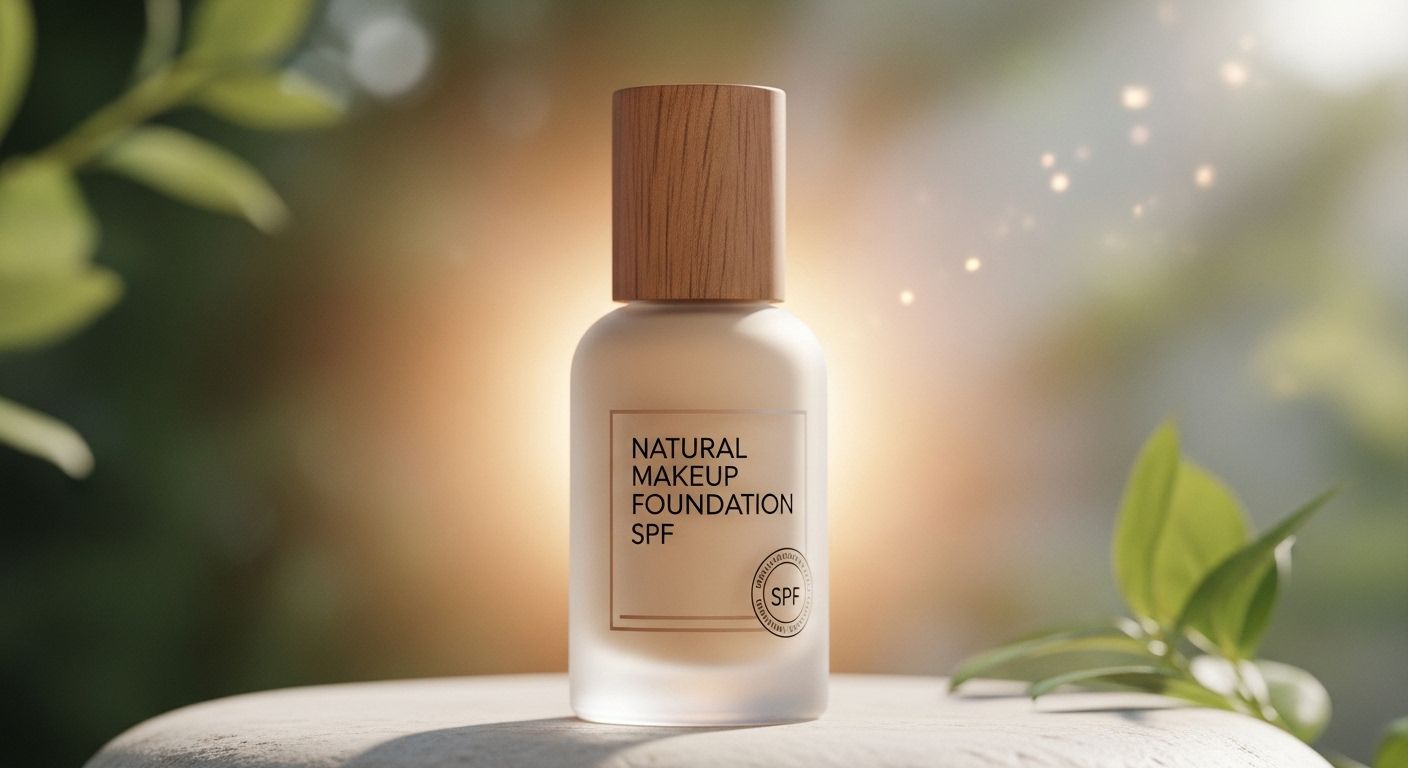
Best Natural Makeup Foundation: Eco Glow
- 1.
What Exactly Counts as “Environmentally Safe Makeup”?
- 2.
Why Ingredient Transparency Matters in Environmentally Safe Makeup
- 3.
How Packaging Impacts the Eco-Credentials of Your Makeup
- 4.
The Rise of Carbon-Neutral Beauty Brands and Why It Matters
- 5.
Top Certifications to Trust When Buying Environmentally Safe Makeup
- 6.
Is Charlotte Tilbury Eco-Friendly? Let’s Be Honest
- 7.
What Makes a Brand the “Least Toxic” in the Makeup World?
- 8.
DIY vs. Commercial: Can You Really Make Environmentally Safe Makeup at Home?
- 9.
Price vs Planet: Does Eco-Friendly Makeup Always Cost More?
- 10.
Where to Find Truly Trusted Environmentally Safe Makeup in the UK
Table of Contents
environmentally safe makeup
What Exactly Counts as “Environmentally Safe Makeup”?
Ever bought a lipstick that claims to be “green” only to find it wrapped in enough plastic to kit out a small paddling pool? Yeah, we’ve all been duped. True environmentally safe makeup isn’t just about what’s inside the tube—it’s the whole shebang: sourcing, packaging, production, and even what happens after you chuck it in the bin (or hopefully, recycle it). It should leave your skin glowing *and* the planet breathing easy. Think biodegradable glitter, compostable compacts, and formulas that don’t poison aquatic life when they wash down the loo. Because beauty shouldn’t cost the earth—literally.
Why Ingredient Transparency Matters in Environmentally Safe Makeup
If your foundation’s label reads like a cryptic crossword from The Guardian, it’s probably hiding something. A proper environmentally safe makeup brand won’t shy away from listing every ingredient—and explaining where it came from. No oxybenzone (toxic to coral reefs), no microplastics (they end up in fish bellies), and definitely no palm oil derivatives linked to deforestation. Instead, look for plant-based pigments, mineral filters, and water sourced from ethical springs. Your face—and the oceans—will thank you.
How Packaging Impacts the Eco-Credentials of Your Makeup
That sleek glass bottle might look Insta-worthy, but if it’s lined with non-recyclable resin or shipped in polystyrene foam, it’s not doing Mother Nature any favours. Real environmentally safe makeup uses refillable containers, post-consumer recycled aluminium, or even bamboo lids. Some brands go full circular—take back empties and turn them into new products. Bonus points if they skip the cellophane wrap and excessive cardboard inserts. Less is more, especially when “more” ends up in landfill for the next 500 years.
The Rise of Carbon-Neutral Beauty Brands and Why It Matters
Making makeup isn’t carbon-free—shipping, manufacturing, even growing botanicals leaves a footprint. But the best environmentally safe makeup brands offset it. They invest in reforestation, use renewable energy in labs, and calculate emissions down to the last eyeliner pencil. Being carbon-neutral isn’t just a buzzword; it’s a promise. And in a world where one mascara tube can take centuries to decompose, that promise matters more than ever.
Top Certifications to Trust When Buying Environmentally Safe Makeup
Don’t fall for greenwashing. Look for legit stamps: COSMOS Organic, Leaping Bunny (cruelty-free + eco-conscious), B Corp, or Soil Association. These mean third parties have actually checked the supply chain, waste output, and ethics. A true environmentally safe makeup product won’t just say “natural”—it’ll prove it. 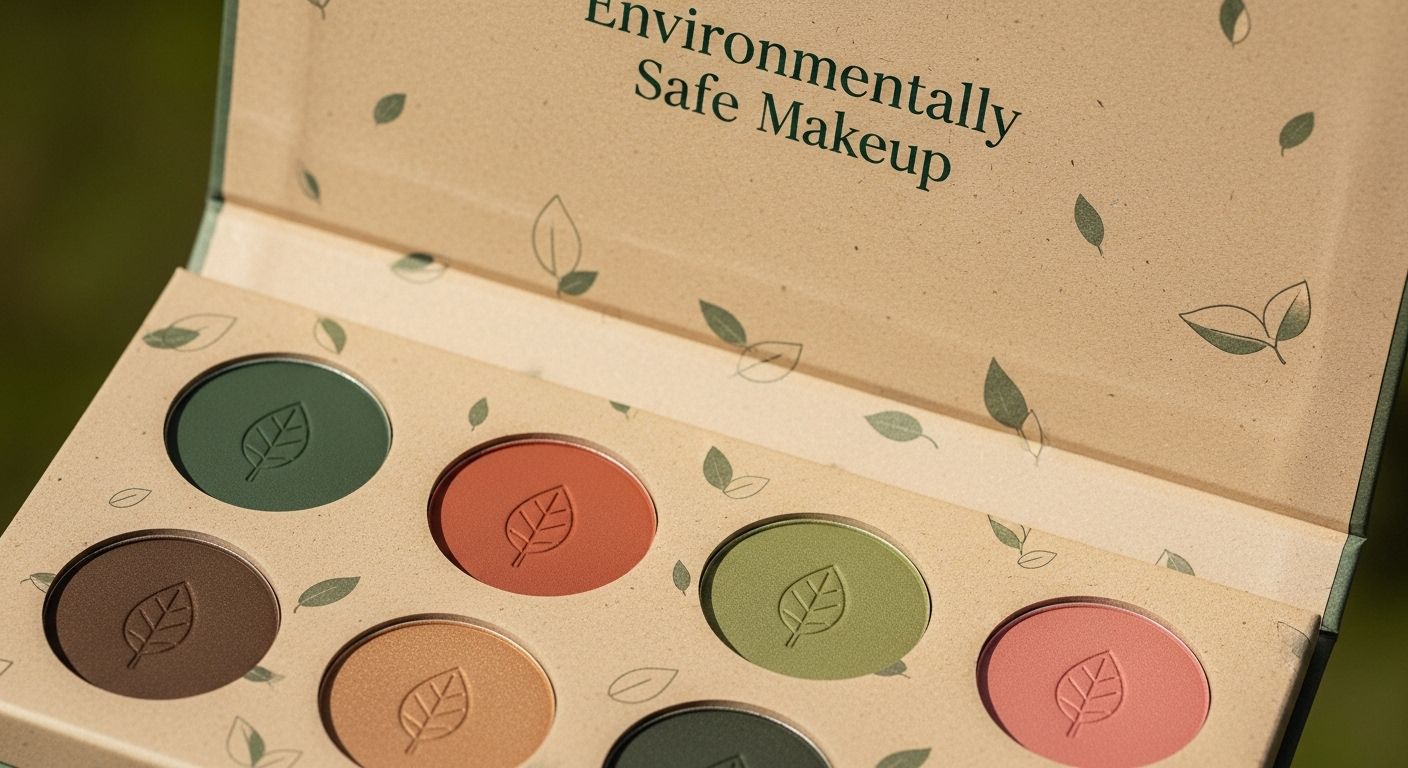
Is Charlotte Tilbury Eco-Friendly? Let’s Be Honest
Look, Charlotte makes gorgeous stuff—no denying that dewy magic. But is it environmentally safe makeup? Not really. Heavy on luxe packaging (often non-recyclable), limited refill options, and vague on ingredient sourcing. It’s beauty with a side of guilt. If you’re chasing glamour *and* green values, you’ll find better mates elsewhere—brands that don’t sacrifice ethics for aesthetics.
What Makes a Brand the “Least Toxic” in the Makeup World?
Toxicity isn’t just about your skin—it’s about ecosystems. The least toxic environmentally safe makeup avoids PFAS (“forever chemicals”), synthetic musks, and heavy metals like lead or mercury (yes, some lipsticks still have traces!). It uses water purification systems in factories and ensures wastewater doesn’t carry nasties into rivers. Clean beauty means clean conscience—from lab bench to lagoon.
DIY vs. Commercial: Can You Really Make Environmentally Safe Makeup at Home?
Whipping up beetroot blush in your kitchen sounds romantic—but it’s risky. Without preservatives, homemade makeup breeds bacteria faster than a soggy sandwich left on the Tube. Plus, DIY rarely matches the performance or safety of professional environmentally safe makeup. Stick to vetted brands that blend science, sustainability, and shelf stability. Save the kitchen experiments for banana bread.
Price vs Planet: Does Eco-Friendly Makeup Always Cost More?
Not necessarily. While some environmentally safe makeup sits at £28–£42 (thanks to ethical sourcing and low-impact production), others offer brilliant value under £15. Yes, you might pay a few quid extra—but consider it an investment in cleaner waterways and healthier soil. And honestly, isn’t that worth skipping one less Deliveroo order a month? Besides, many eco-brands offer refills, so long-term, you save.
Where to Find Truly Trusted Environmentally Safe Makeup in the UK
From indie apothecaries in Brighton to curated online hubs, the UK’s green beauty scene is thriving. For formulas that marry ethics with elegance, start at Ambre Botanicals. Want to explore more radiant, responsible picks? Browse the Makeup collection for honest reviews. And if you’re curious how even cushion compacts can go green, don’t miss Nars Foundation Cushion Radiant Finish—a deep dive into sustainable luxury.
Frequently Asked Questions
What is the most environmentally friendly makeup brand?
The most environmentally friendly makeup brand prioritises zero-waste packaging, certified organic ingredients, and carbon-neutral operations. A true environmentally safe makeup leader also offers refills, avoids microplastics, and publishes full lifecycle impact reports.
What is the least toxic makeup brand?
The least toxic makeup brand avoids PFAS, parabens, synthetic fragrances, and heavy metals. It uses biodegradable formulas and ensures its environmentally safe makeup doesn’t harm aquatic life or human health—even after it washes off.
Is Charlotte Tilbury eco-friendly?
Charlotte Tilbury is not widely considered eco-friendly. While visually luxurious, its packaging is often non-recyclable, refill options are limited, and transparency around sourcing is lacking—making it a poor fit for those seeking truly environmentally safe makeup.
What is eco-friendly makeup?
Eco-friendly makeup—also called environmentally safe makeup—is formulated and packaged to minimise harm to ecosystems. It uses biodegradable ingredients, avoids microplastics, employs sustainable sourcing, and often comes in refillable or compostable containers.
References
- https://www.treehugger.com/best-eco-friendly-makeup-brands-5089853
- https://www.byrdie.com/eco-friendly-makeup-brands
- https://www.allure.com/story/sustainable-makeup-brands
- https://www.vogue.co.uk/beauty/gallery/eco-friendly-beauty-brands