Environmentally Safe Makeup: Green Beauty
- 1.
What Exactly Counts as “Environmentally Safe Makeup” Anyway?
- 2.
Why Your Foundation Might Be Secretly Sabotaging the Seabed
- 3.
The Dirty Truth About “Clean Beauty” Labels
- 4.
From Lab to Loo: The Lifecycle of an Eco-Conscious Blush
- 5.
Top Brands Actually Walking the Green Talk (Not Just Wearing It)
- 6.
Is Charlotte Tilbury Eco-Friendly? Let’s Have a Proper Gander
- 7.
Price Tag vs Planet: Does Ethical Always Mean Expensive?
- 8.
DIY Disasters and Why “Natural” Isn’t Always Safer
- 9.
The Carbon Footprint of Your Concealer: Smaller Than You Think?
- 10.
Where to Find Truly Trusted Environmentally Safe Makeup in the UK
Table of Contents
environmentally safe makeup
What Exactly Counts as “Environmentally Safe Makeup” Anyway?
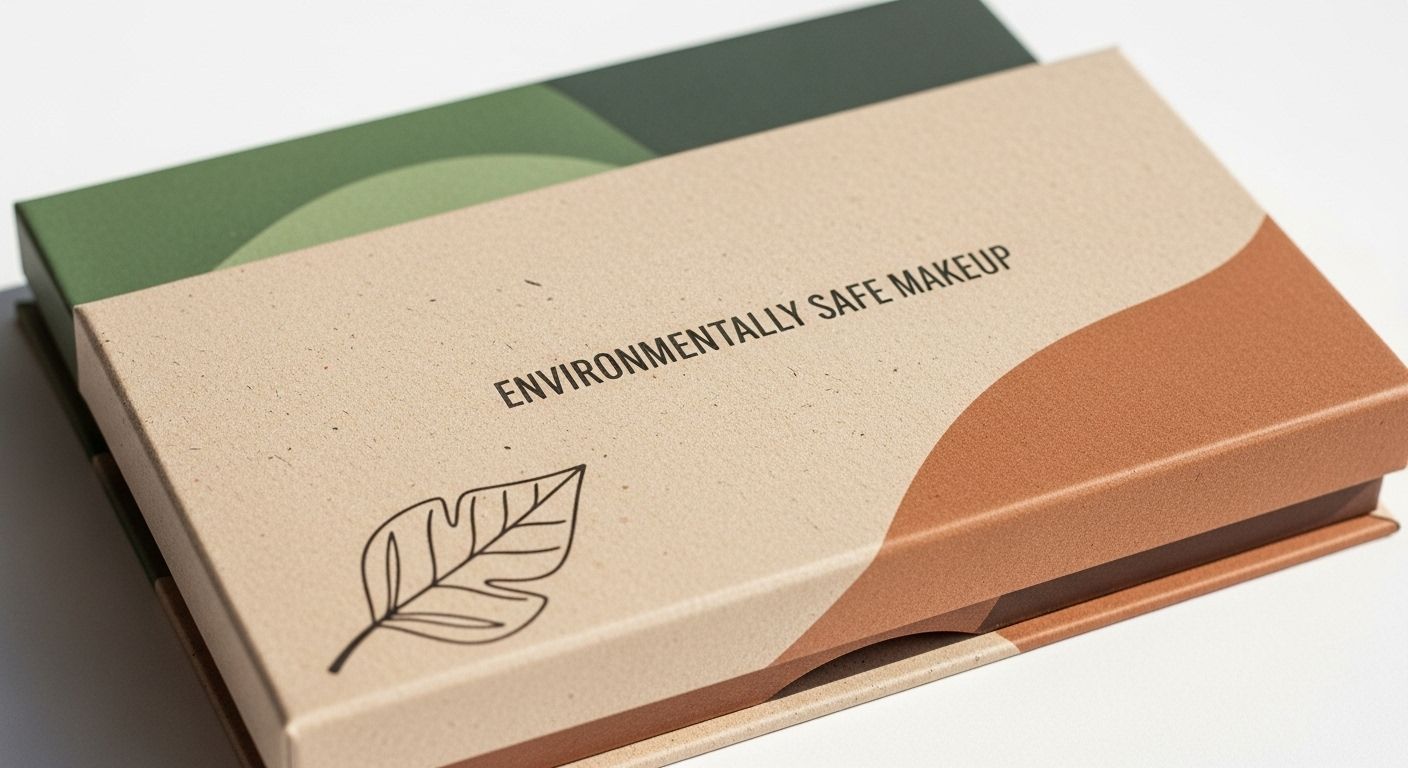
Ever looked at your makeup bag and wondered if it’s plotting against the planet? You’re not alone, love. Environmentally safe makeup isn’t just a buzzword tossed around by influencers with reusable bamboo toothbrushes—it’s a legit movement. At its core, environmentally safe makeup refers to cosmetics that are crafted without wrecking ecosystems, harming animals, or leaching nasties into rivers once they rinse off your face. Think minimal packaging, biodegradable formulas, and ingredients that don’t sound like they belong in a chemistry exam. It’s beauty that doesn’t cost the earth—literally.
Why Your Foundation Might Be Secretly Sabotaging the Seabed
That silky liquid foundation you swear by? If it’s packed with microplastics or synthetic polymers, it could be hitching a ride down your plughole and ending up in the belly of a confused seagull—or worse, a coral reef. Environmentally safe makeup dodges these pitfalls by using plant-based emulsifiers, mineral pigments, and water-soluble binders that break down faster than your New Year’s resolutions. Brands leaning into environmentally safe makeup often ditch glitter (yes, even the “biodegradable” kind—still sketchy) and opt for mica sourced ethically, not ripped from child-labour mines in some forgotten corner of the globe.
The Dirty Truth About “Clean Beauty” Labels
Here’s the kicker: “clean beauty” ain’t regulated. None of it. So a brand can slap “eco-friendly” on a bottle full of palm oil derivatives and call it a day. Proper environmentally safe makeup, though? That’s backed by certifications—think COSMOS Organic, Leaping Bunny, or B Corp status. These aren’t just fancy stickers; they mean someone’s actually checked the supply chain, carbon footprint, and whether the factory runs on sunshine or coal fumes. When you’re hunting for true environmentally safe makeup, skip the marketing fluff and scroll straight to the fine print—or better yet, the brand’s transparency report.
From Lab to Loo: The Lifecycle of an Eco-Conscious Blush
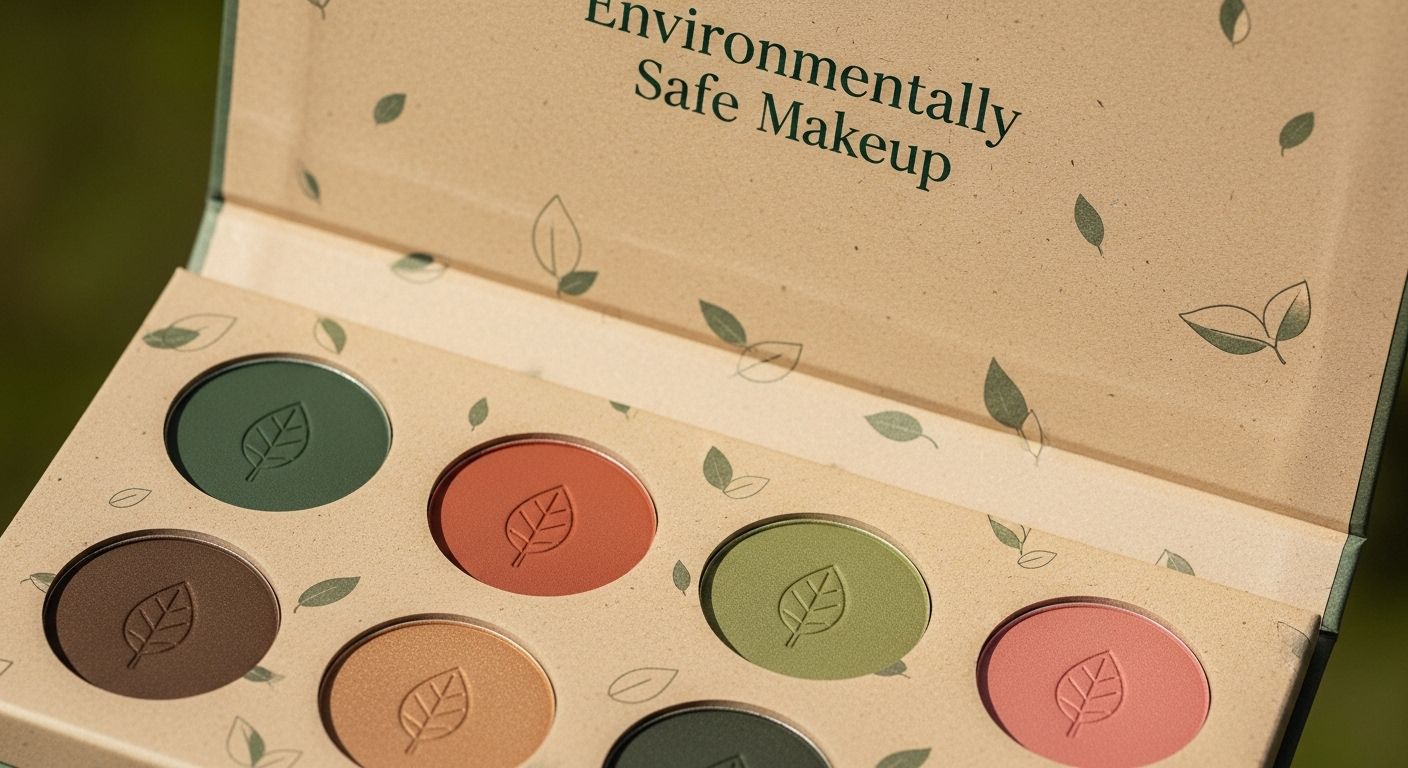
Imagine a blush made from beetroot extract, pressed into a compact moulded from recycled ocean plastic, shipped in compostable paper, and designed to decompose within five years if chucked (responsibly) into soil. That’s the dream pipeline of environmentally safe makeup. Every stage—from ingredient sourcing to disposal—is weighed against planetary impact. Unlike conventional cosmetics that linger in landfills for centuries, genuine environmentally safe makeup respects the circular economy. Even the brushes? Bamboo handles, vegan bristles, zero guilt.
Top Brands Actually Walking the Green Talk (Not Just Wearing It)
Let’s cut through the greenwash. Not all brands shouting “sustainable!” deserve your quid. But a few? They’re proper legends. RMS Beauty uses glass jars and raw coconut oil bases. Ilia blends skincare with makeup using 80% organic ingredients. And then there’s Ambre Botanicals—crafted in small batches, wrapped in FSC-certified paper, and never tested on anything with a heartbeat. Their entire line screams environmentally safe makeup without screaming at all. Quiet confidence, innit?
Is Charlotte Tilbury Eco-Friendly? Let’s Have a Proper Gander
Charlotte Tilbury’s got the glamour, the Hollywood A-listers, and those dreamy rose-gold compacts—but how’s she doing on the eco front? Truth be told, it’s… mixed. While they’ve pledged to reduce virgin plastic and introduced some refillable options, their overall packaging still leans heavily on non-recyclable composites. No major third-party eco-certifications either. So while Ms. Tilbury’s products might make you feel like a million quid, they’re not quite ticking the boxes for environmentally safe makeup. Gorgeous? Absolutely. Green? Not quite yet, ducks.
Price Tag vs Planet: Does Ethical Always Mean Expensive?
“Eco = pricey” is a myth we need to bin. Sure, some environmentally safe makeup brands sit at £35 for a lipstick—but others deliver quality at under a tenner. The trick? Look for indie labels that skip celebrity collabs and flashy ads. Take a brand like Axiology: lip crayons for £18, plastic-free, zero-waste, and made with fair-trade ingredients. Compare that to a high-street dupe loaded with parabens and polyester glitter, and suddenly, environmentally safe makeup feels like the smarter spend. After all, you’re not just buying colour—you’re investing in cleaner rivers and safer soil.
“Beauty shouldn’t come at the cost of biodiversity.” — Dr. Elara Finch, Environmental Cosmetic Chemist
DIY Disasters and Why “Natural” Isn’t Always Safer
Hold up before you start blending avocado and turmeric in your kitchen sink. Just because something’s “natural” doesn’t mean it’s safe—or eco-friendly. Essential oils can irritate skin, citrus juices cause photosensitivity, and homemade preservatives? Often useless. Real environmentally safe makeup balances efficacy, safety, *and* sustainability through rigorous formulation. It’s not about slapping kale in a jar—it’s science done right, with conscience. Stick to brands that test stability, pH, and biodegradability so you don’t end up with a mouldy mascara that harms more than helps.
The Carbon Footprint of Your Concealer: Smaller Than You Think?
Fun fact: shipping a single tube of concealer from London to Leeds emits less CO₂ than producing its synthetic pigment in a coal-powered factory in East Asia. That’s why local, transparent sourcing matters. Brands championing environmentally safe makeup often manufacture regionally, use renewable energy, and offset what they can’t eliminate. Some even publish their carbon metrics per product—now that’s accountability. Next time you swipe on concealer, ask: who made this, where, and what did it cost the planet? Answers matter.
| Brand | Packaging Recyclable? | Vegan? | Certified Eco? | Avg. Price (GBP) |
|---|---|---|---|---|
| RMS Beauty | Yes (glass + metal) | Yes | COSMOS, Leaping Bunny | £28–£42 |
| Ilia | Partially (aluminium + PCR) | Yes | Leaping Bunny, EWG Verified | £24–£36 |
| Ambre Botanicals | Yes (FSC paper + glass) | Yes | Plastic-Free Trust, Vegan Society | £19–£33 |
| Charlotte Tilbury | Limited | No (some carmine) | None | £26–£48 |
Where to Find Truly Trusted Environmentally Safe Makeup in the UK
If you’re keen to fill your vanity with guilt-free glam, start with the right sources. First stop? The homepage of Ambre Botanicals—a brand built on botanical integrity and zero plastic. Fancy browsing by category? Head over to their Makeup section, where every product whispers sustainability. And if you’re curious how eco-conscious cushion foundations perform, don’t miss their deep dive in Nars Foundation Cushion Radiant Finish. Spoiler: not all cushions are created equal when it comes to environmentally safe makeup.
Frequently Asked Questions
What is the most environmentally friendly makeup brand?
Brands like Ambre Botanicals, RMS Beauty, and Ilia lead the pack in environmentally safe makeup, thanks to plastic-free packaging, certified organic ingredients, and transparent supply chains. They prioritise regenerative sourcing and avoid microplastics, making them top choices for eco-conscious beauty lovers.
What is the least toxic makeup brand?
The least toxic makeup brands formulate without parabens, phthalates, synthetic fragrances, or heavy metals. Leaders in environmentally safe makeup such as Ilia and Ambre Botanicals use food-grade or mineral-based pigments and disclose every ingredient—proving that clean beauty can also be kind to the planet.
Is Charlotte Tilbury eco-friendly?
Charlotte Tilbury has taken steps toward sustainability—like refillable compacts—but lacks third-party eco-certifications and still uses significant virgin plastic. While glamorous, it doesn’t fully meet the standards of environmentally safe makeup compared to certified green beauty pioneers.
What is eco-friendly makeup?
Eco-friendly makeup—or environmentally safe makeup—refers to cosmetics designed to minimise harm to ecosystems. This includes biodegradable formulas, ethical ingredient sourcing, recyclable or compostable packaging, and cruelty-free production. It’s beauty that works with nature, not against it.
References
- https://www.cosmos-standard.org
- https://www.leapingbunny.org
- https://www.plasticfree.org.uk
- https://www.ewg.org/verified