Natural Antifungal for Skin Solutions
- 1.
What Exactly Is a Fungal Skin Infection—And Why Does It Love Us So Much?
- 2.
Tea Tree Oil: The Aussie Warrior in Your Medicine Cabinet
- 3.
Apple Cider Vinegar: Not Just for Salad or Hair Rinses
- 4.
Coconut Oil: More Than a TikTok Trend
- 5.
Oatmeal and Honey: The Gentle Duo for Sensitive Skin
- 6.
Garlic: The Kitchen Clove with Clout
- 7.
Probiotics: Healing From the Inside Out
- 8.
When Natural Isn’t Enough—and That’s Alright
Table of Contents
natural antifungal for skin
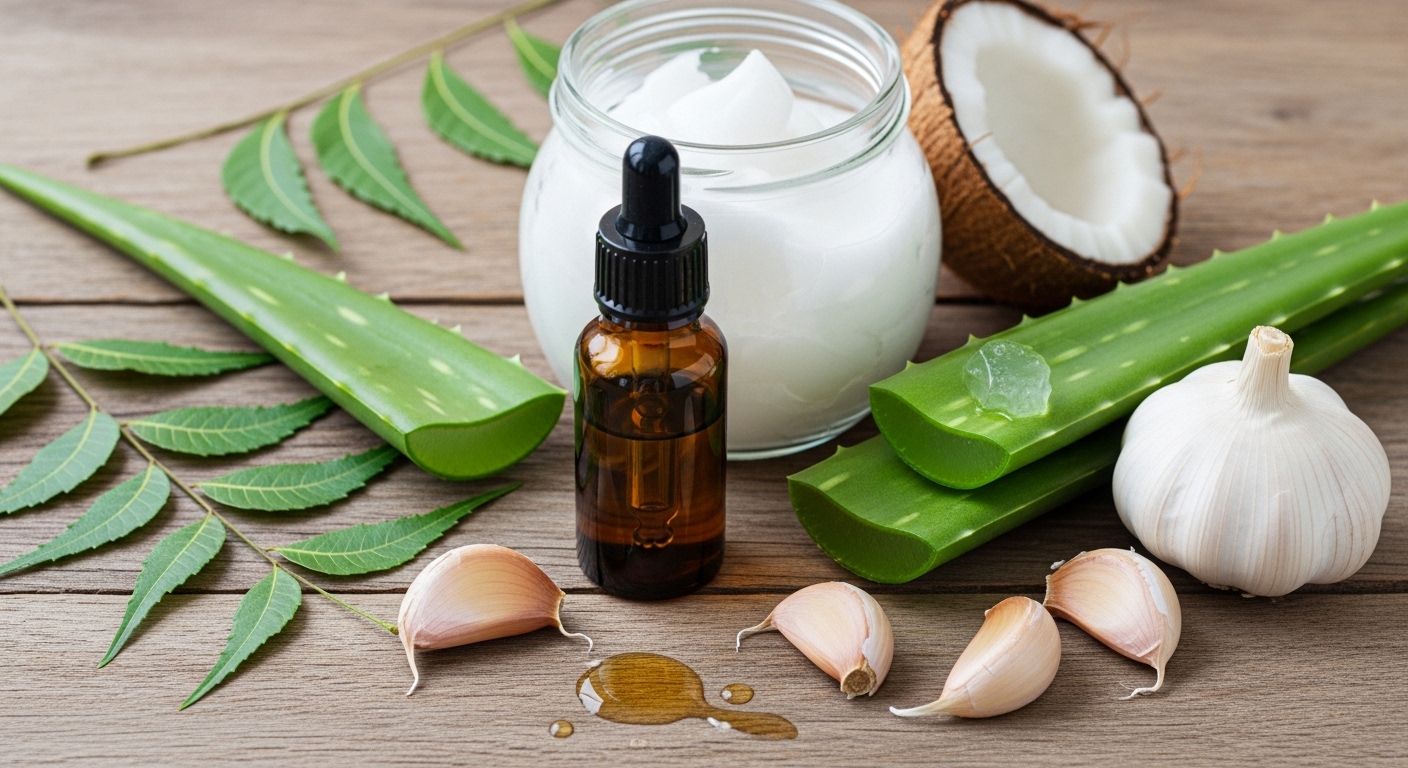
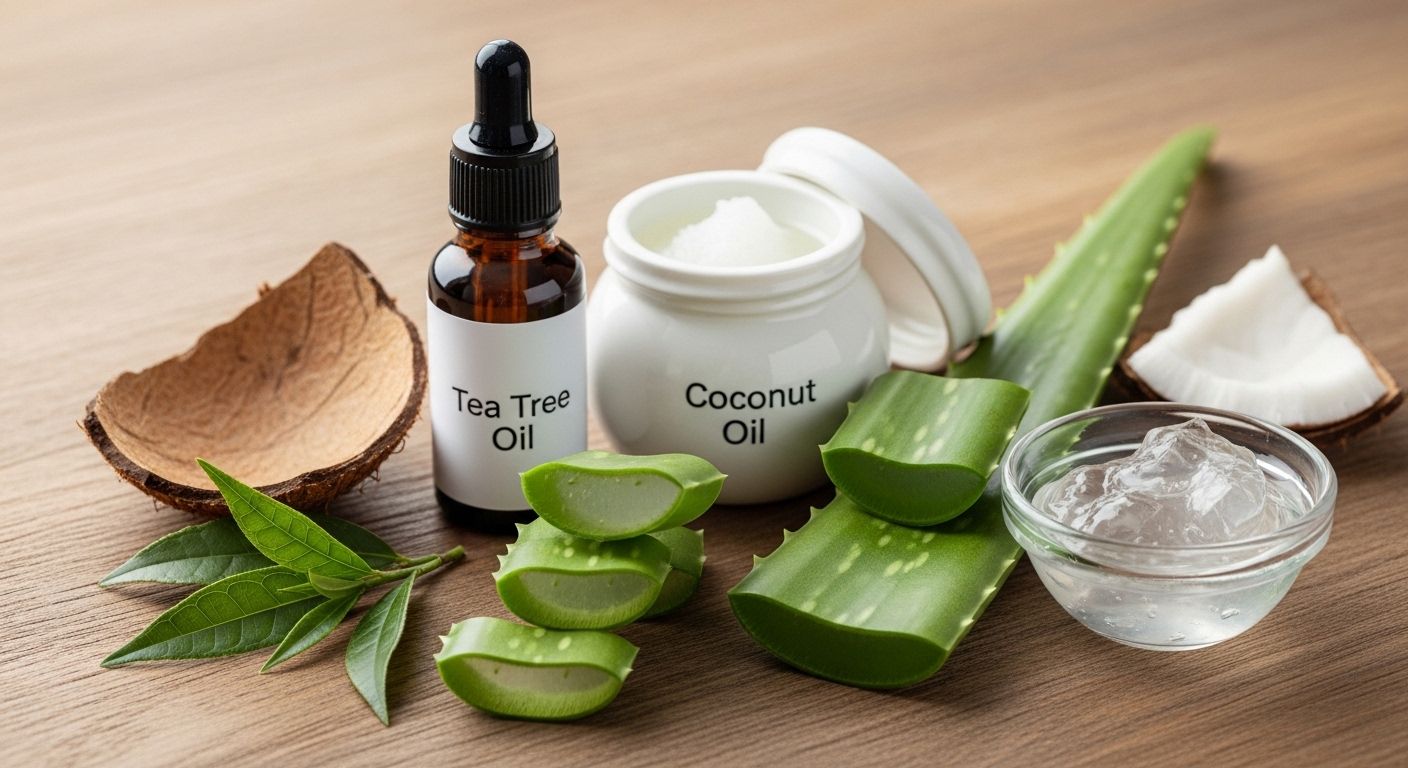
Ever had a patch of skin that just… won’t quit? It it Ever had a patch of skin that just… won’t quit? It itches like mad, flakes like last winter’s paint, and seems to laugh at your fancy moisturiser? Chances are, you’re not dealing with dryness—you’ve got a fungal gatecrasher. And before you panic and douse yourself in bleach (please don’t), know this: there’s a gentler, greener way. A proper natural antifungal for skin doesn’t come in a clinical tube—it might be sitting in your kitchen cupboard, smelling faintly of tea or honey. We’ve all been there, scratching our arms in the queue at Tesco, wondering if it’s eczema, psoriasis, or just bad luck. Spoiler: it’s often fungus—and yes, you *can* show it the door without harsh chemicals. Fungi—like Candida or dermatophytes—are opportunistic little blighters. They thrive in warm, moist, dark places: underarms, between toes, even scalp folds. When your skin’s barrier is compromised (thanks, stress, sweat, or synthetic fabrics), they move in like squatters with no intention of leaving. The result? Ringworm, athlete’s foot, tinea versicolor—itchy, scaly, sometimes discoloured patches that refuse to budge. That’s where a thoughtful natural antifungal for skin comes in—not to nuke everything, but to restore balance without wrecking your microbiome. Don’t let its gentle scent fool you—tea tree oil (Melaleuca alternifolia) is a heavyweight champ in the natural antifungal for skin arena. Packed with terpinen-4-ol, it disrupts fungal cell membranes faster than you can say “G’day.” But—and this is crucial—never apply it neat. Dilute 2–3 drops in a teaspoon of carrier oil (jojoba or almond work well) and dab onto affected areas twice daily. A 2019 study even found it as effective as clotrimazole cream for mild tinea infections. Just keep it away from kids’ faces and pets—potent stuff, this. Your gran’s pantry staple doubles as a fungal foe. Apple cider vinegar (ACV) has acetic acid, which lowers skin pH—making it hostile territory for fungi who prefer neutrality. For athlete’s foot or body tinea, mix equal parts raw, unfiltered ACV and water, then apply with a cotton pad. For scalp issues, add a splash to your final rinse after shampooing. It stings a bit if skin’s cracked—but that’s the fungus screaming, not you. Consistency is key: use daily for 2–3 weeks as part of your natural antifungal for skin routine. Yes, coconut oil clogs pores for some—but for fungal infections? It’s legit. Its medium-chain fatty acids (especially caprylic and lauric) punch holes in fungal walls like tiny biological wrecking balls. Virgin, cold-pressed coconut oil also soothes inflammation while it works. Apply a thin layer to clean, dry skin 2x daily. Bonus: it smells like a holiday in Cornwall, even when you’re stuck in a rainy Manchester flat. Just patch-test first—some folks react, though most find it a soothing ally in their natural antifungal for skin toolkit. When fungus meets eczema-prone or child-sensitive skin, harsh actives backfire. Enter colloidal oatmeal and raw manuka honey—the dynamic duo of calm. Oats reduce itching and redness; honey’s hydrogen peroxide and low pH create a no-go zone for microbes. Mix into a paste, apply for 15 minutes, then rinse. Safe for kids over 12 months (no honey under 1 due to botulism risk). This isn’t the fastest natural antifungal for skin, but it’s the kindest—perfect for delicate scalps or toddler rashes that won’t quit. Before you rub raw garlic on your arm like a vampire repellent—pause. Yes, allicin (garlic’s active compound) kills fungi in lab studies, but undiluted garlic burns skin faster than a chip pan fire. Safer method? Crush one clove, mix with aloe vera gel, apply for 10 minutes max, then wash off. Use every other day. It’s pungent, messy, and slightly absurd—but for stubborn patches that ignore everything else, this old wives’ trick sometimes delivers. Just don’t wear white trousers afterward. Fungal overgrowth isn’t just skin-deep—it’s often linked to gut imbalance. Taking a high-quality probiotic (look for Lactobacillus and Bifidobacterium strains) helps crowd out internal Candida, reducing systemic load. Pair with prebiotic foods (oats, onions, bananas) and cut back on sugar—fungus’s favourite fuel. This won’t clear ringworm overnight, but it supports long-term resilience. Think of it as backup for your frontline natural antifungal for skin troops. If your rash spreads, oozes, or hasn’t improved after 3–4 weeks of consistent home care, it’s time to see a GP. Some fungal infections—especially on the scalp (tinea capitis)—require oral antifungals. Kids under 2, pregnant women, or those with immune conditions should always consult a professional before DIY-ing. Natural doesn’t mean risk-free, and your skin deserves respect—not stubbornness. Still, knowing your options empowers you. Start with the homepage of Ambre Botanicals for holistic wellness principles. Dive into our curated Treatments section for condition-specific guidance. And if you’re unsure whether it’s fungus or something else (like folliculitis), our detailed piece on Folliculitis Treatment Antibiotics Guide helps differentiate—and decide your next step. Because the smartest natural antifungal for skin strategy blends wisdom with humility. To remove fungal infection from skin naturally, use diluted tea tree oil, apple cider vinegar soaks, or coconut oil applications consistently for 2–4 weeks. Support healing with probiotics and reduced sugar intake. Always patch-test first, and discontinue if irritation worsens. This gentle approach forms the core of an effective natural antifungal for skin regimen. While prescription antifungals work fastest, among natural options, undiluted tea tree oil (properly diluted!) and apple cider vinegar show rapid action due to their potent antimicrobial compounds. However, “fast” in natural terms still takes days—not hours. Patience and consistency are vital in any natural antifungal for skin protocol. For children, opt for ultra-gentle natural antifungal for skin solutions: diluted coconut oil, colloidal oatmeal baths, or honey-oat pastes (for kids over 12 months). Avoid strong essential oils or undiluted vinegar. Always consult a GP before treating infants or if the rash spreads—children’s skin is more permeable and sensitive. Scalp fungal infections (like tinea capitis) often require medical treatment, but as adjunct care, use an apple cider vinegar rinse (1:3 with water) after shampooing or apply diluted tea tree oil to the roots. Avoid heavy oils that trap moisture. Since scalp fungus is stubborn, combine these natural antifungal for skin methods with professional advice for best results.natural antifungal for skin
What Exactly Is a Fungal Skin Infection—And Why Does It Love Us So Much?
The biology behind needing a natural antifungal for skin
Tea Tree Oil: The Aussie Warrior in Your Medicine Cabinet
How terpinen-4-ol fights infection in natural antifungal for skin remedies
Apple Cider Vinegar: Not Just for Salad or Hair Rinses
Acidity as a weapon in natural antifungal for skin protocols
Coconut Oil: More Than a TikTok Trend
Caprylic and lauric acids in natural antifungal for skin care
Oatmeal and Honey: The Gentle Duo for Sensitive Skin
Soothing inflamed skin during natural antifungal for skin treatment
Garlic: The Kitchen Clove with Clout
Allicin’s antifungal power in natural antifungal for skin applications
Probiotics: Healing From the Inside Out
Gut-skin axis support in natural antifungal for skin recovery
When Natural Isn’t Enough—and That’s Alright
Recognising limits of natural antifungal for skin approaches
Frequently Asked Questions
How to remove fungal infection from skin naturally?
What kills skin fungus the fastest?
How do you treat a fungal skin infection in a child?
How do you treat a fungal infection on your scalp?
References