Intense Pulsed Light Treatment for Rosacea Cure
- 1.
What Is Rosacea—and Why It Won’t Just “Go Away”
- 2.
How Intense Pulsed Light Actually Works on Rosacea
- 3.
Does IPL Really Work for Rosacea? Evidence vs. Hype
- 4.
How Many Sessions of IPL Do I Need for Rosacea?
- 5.
What to Expect During and After an IPL Session
- 6.
Can I Do PRP If I Have Rosacea? Proceed with Caution
- 7.
How to Calm Rosacea During Pregnancy—Safely and Gently
- 8.
Professional IPL vs. At-Home Devices: Don’t Be Fooled
- 9.
Cost, Value, and Long-Term ROI of IPL for Rosacea
Table of Contents
intense pulsed light treatment for rosacea
Ever caught your reflection in a shop window and thought, “Crikey, did I just run a marathon or is my face permanently auditioning for a ketchup advert?” If your cheeks glow like you’ve necked three pints on a warm day—even when you’re sipping chamomile in your jim-jams—you’re likely wrestling with rosacea. And no, slapping on another £40 “calming” cream from the high street won’t cut it. What *might*? Intense pulsed light treatment for rosacea. Not magic, mind—but the closest thing we’ve got to switching off that infernal redness without selling your soul (or your savings account). Let’s get into it, shall we?
What Is Rosacea—and Why It Won’t Just “Go Away”
Rosacea isn’t teenage acne’s posh cousin—it’s a chronic inflammatory condition that loves middle-aged mugs (though it can strike at any age). Characterised by persistent erythema (fancy word for redness), visible capillaries, papules, and sometimes burning or stinging, it’s triggered by everything from spicy vindaloo to central heating, stress, alcohol, or even a brisk breeze down Camden High Street. Topical creams soothe symptoms but rarely touch the root cause: dilated blood vessels gone rogue. That’s where intense pulsed light treatment for rosacea steps in—not as a cover-up, but as a proper reset for your skin’s vascular system.
How Intense Pulsed Light Actually Works on Rosacea
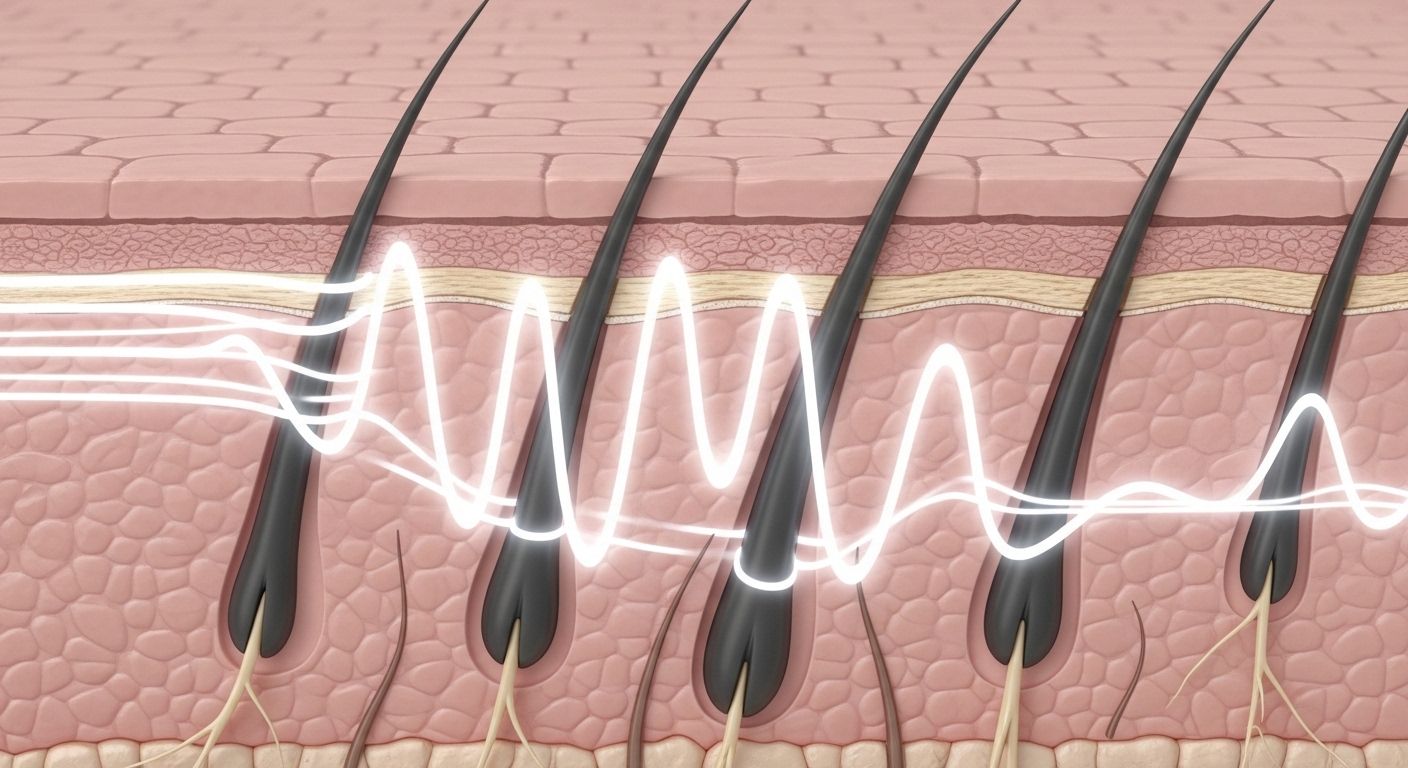
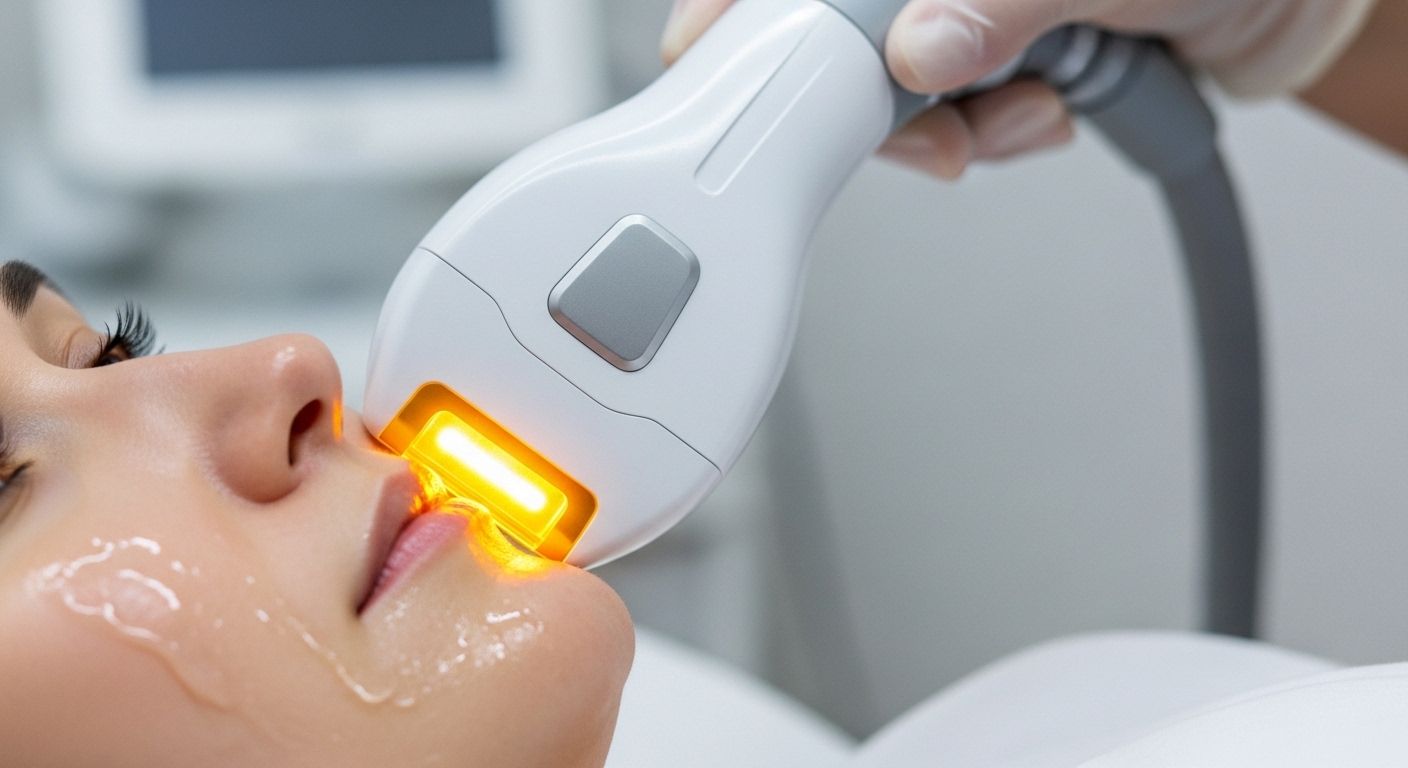
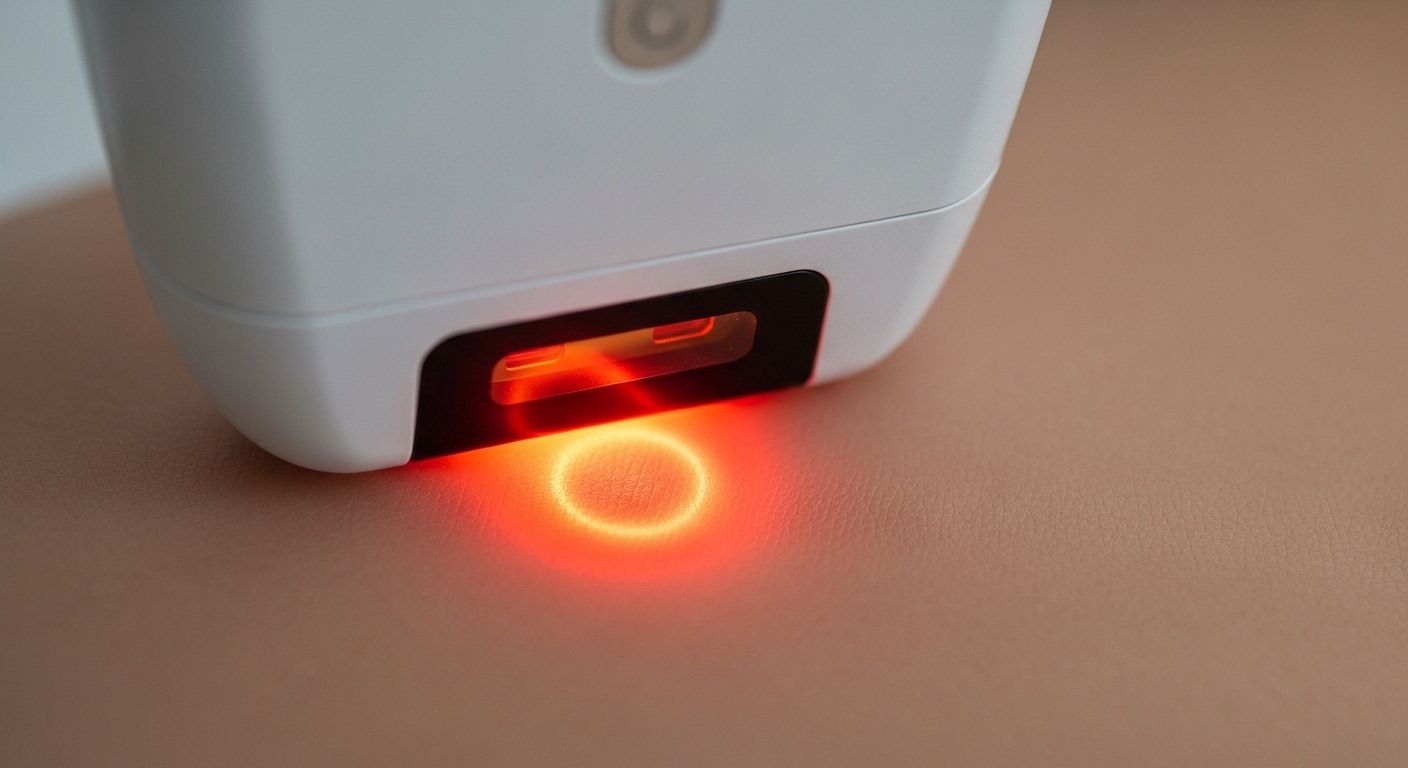
Despite the sci-fi name, intense pulsed light treatment for rosacea is grounded in solid physics. IPL devices emit broad-spectrum light filtered to target haemoglobin—the protein in red blood cells. When this light hits the dilated capillaries under your skin, it heats them just enough to collapse them. The body then clears the debris naturally, leaving behind calmer, more even-toned skin. Unlike lasers (which use one wavelength), IPL covers a range, making it versatile for both redness and background inflammation. Think of it as diplomacy for your dermis: firm, precise, and surprisingly gentle.
Does IPL Really Work for Rosacea? Evidence vs. Hype
“Does IPL really work for rosacea?”—a question typed into Google more times than “why is my cat judging me?” The short answer? Yes, absolutely—for the right subtype. Clinical trials show **70–85% of patients** with erythematotelangiectatic rosacea (the red, veiny kind) see significant improvement after a course of intense pulsed light treatment for rosacea. A 2024 meta-analysis in the *Journal of the European Academy of Dermatology* found IPL reduced facial redness by up to 65% and improved quality of life scores more than topical metronidazole alone. Of course, results vary—fair skin responds best, while darker complexions need expert settings to avoid pigmentation issues. But overall? It’s not snake oil. It’s science with a side of glow-up.
How Many Sessions of IPL Do I Need for Rosacea?
Ah, the million-quid question (well, more like £600). Most folks need **3 to 5 sessions** of intense pulsed light treatment for rosacea, spaced 3–4 weeks apart. Why so many? Because capillaries don’t vanish in one go—they fade gradually as your body mops up the wreckage. You’ll likely notice subtle calming after session two, but peak results hit around session four or five. Maintenance? One top-up every 12–18 months usually keeps things in check—especially if you dodge triggers like hot yoga and extra-hot curries. Patience, love. Your skin didn’t turn into a tomato overnight; it won’t un-tomato itself in a jiffy.
What to Expect During and After an IPL Session
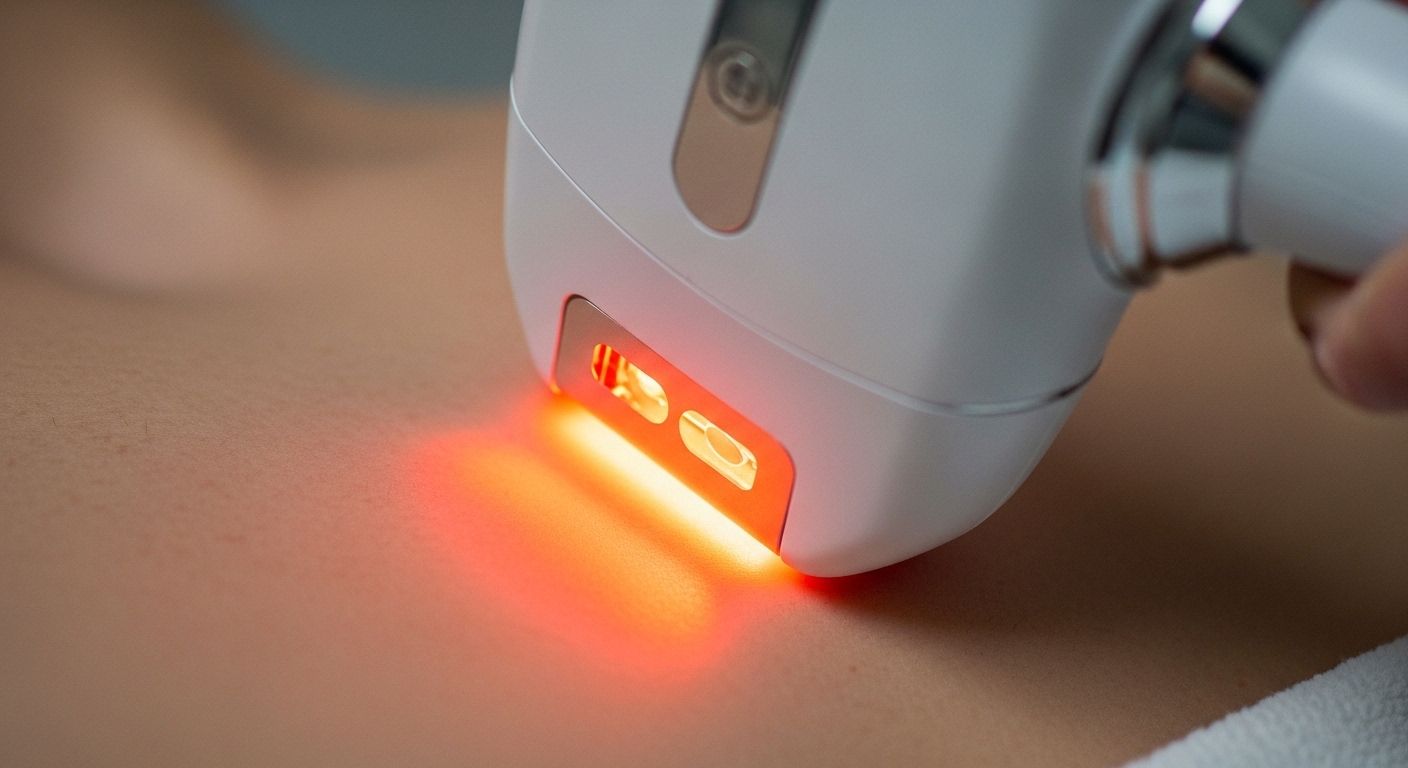
First-timers often imagine lasers zapping their face like a Bond villain—but IPL’s far tamer. You’ll cleanse your skin, pop on protective goggles (very NASA chic), and feel a series of warm “snaps,” like a flick from a rubber band. No anaesthetic needed, though some clinics offer cooling gel. Sessions last 15–30 minutes, and you can nip back to work straight after—though you might look mildly sun-flushed for 24–48 hours. Post-care? Avoid sun, retinoids, hot showers, and saunas for a few days. Slather on mineral SPF 50+ like your life depends on it (because, well, your skin does). This isn’t a spa day—it’s strategic warfare against redness, powered by intense pulsed light treatment for rosacea.
Can I Do PRP If I Have Rosacea? Proceed with Caution
Platelet-rich plasma (PRP)—aka “vampire facials”—are all the rage for rejuvenation. But “Can I do PRP if I have rosacea?” Good question. PRP involves micro-needling, which can *trigger* rosacea flares due to trauma and inflammation. While PRP may help with texture or scarring, it’s generally **not recommended during active rosacea phases**. If your skin’s calm and stable, some derms might cautiously combine PRP with intense pulsed light treatment for rosacea—but only after thorough consultation. Never DIY this combo. Your face isn’t a petri dish.
How to Calm Rosacea During Pregnancy—Safely and Gently
Pregnancy turns your body into a hormonal rollercoaster—and your skin often pays the price. “How to calm rosacea during pregnancy?” is a top concern, and rightly so: many standard treatments (oral isotretinoin, tetracyclines, even some topicals) are off-limits. Stick to ultra-gentle routines: fragrance-free cleansers, zinc oxide sunscreen, cool compresses, and maybe azelaic acid (after checking with your GP). Crucially, **avoid intense pulsed light treatment for rosacea** while expecting—hormonal shifts make skin unpredictable, and clinics won’t risk it. Focus on soothing care now; resume your IPL journey postpartum when things settle.
Professional IPL vs. At-Home Devices: Don’t Be Fooled
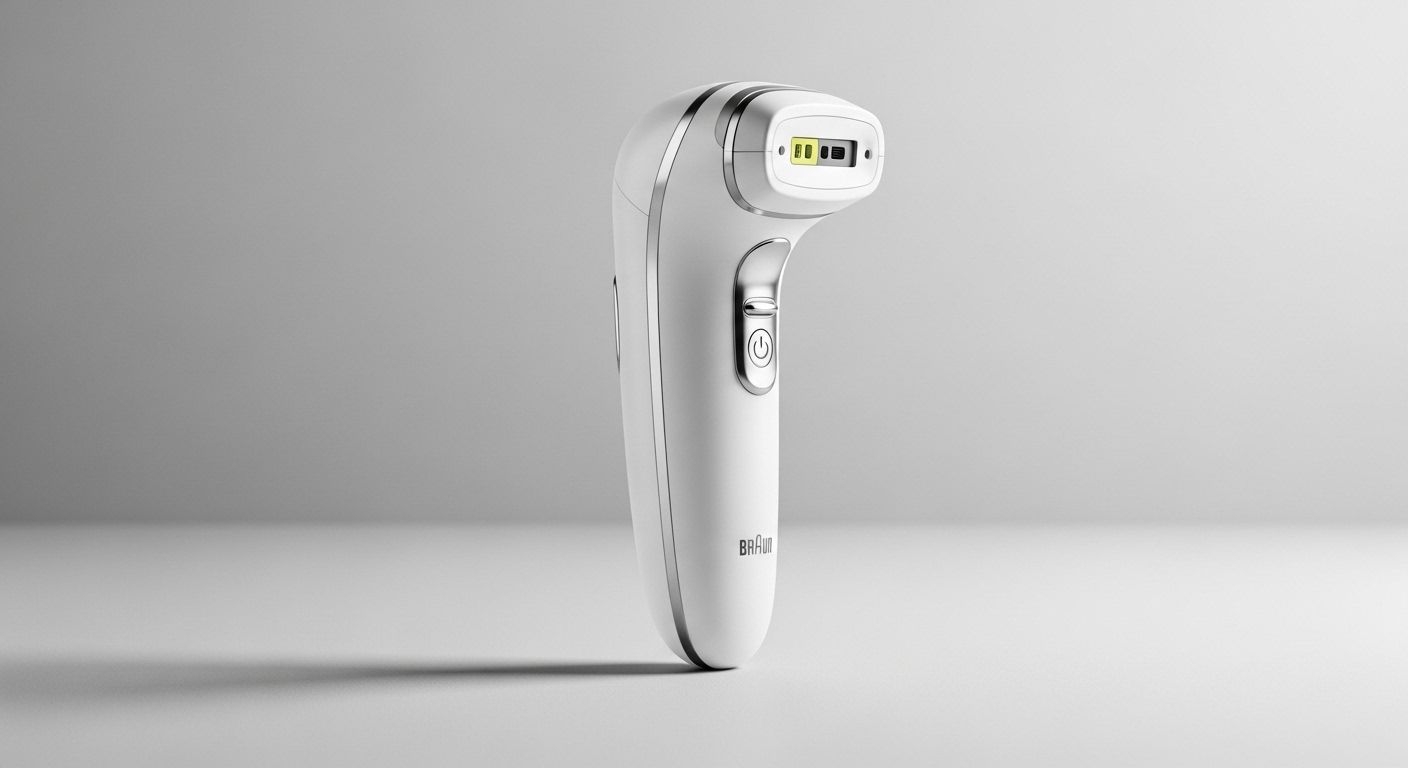
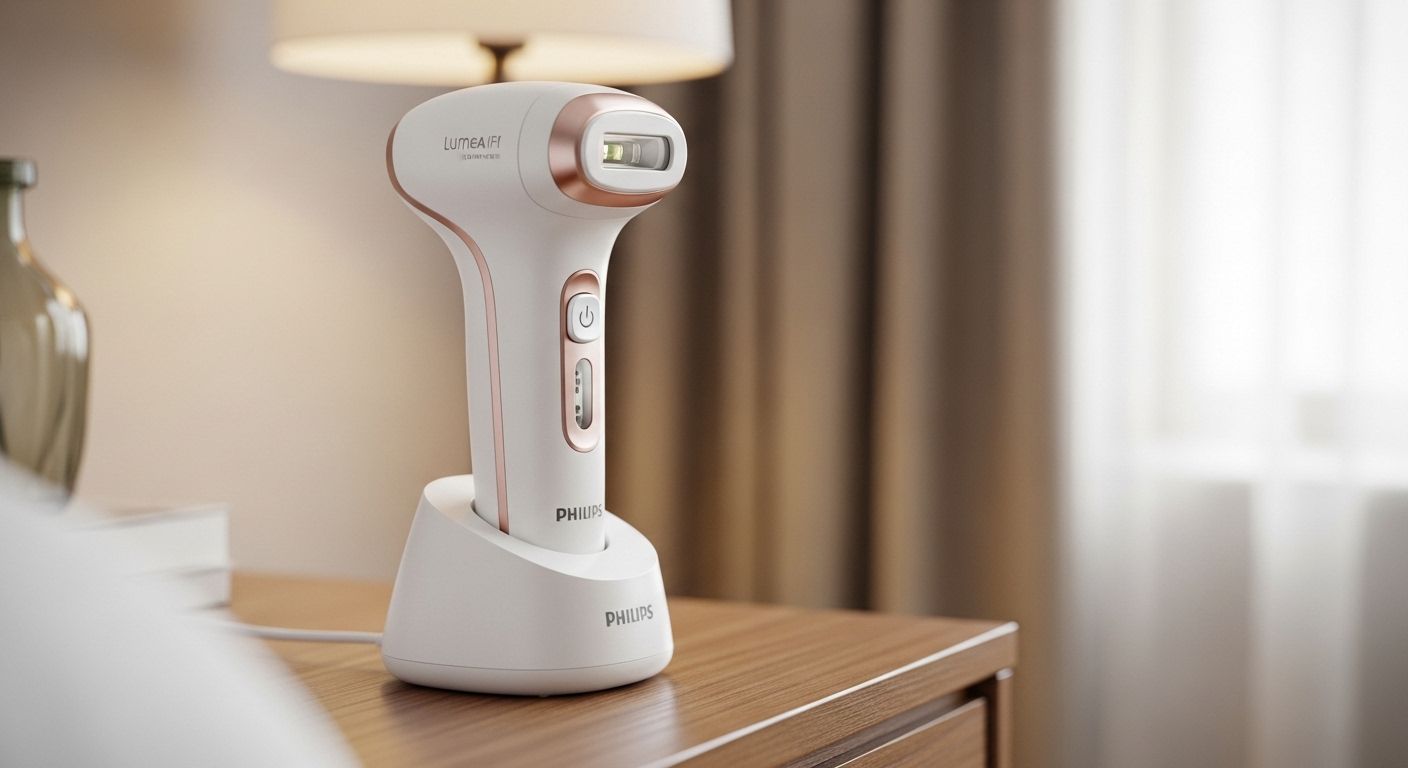
Those sleek at-home IPL gadgets? Tempting, aren’t they? But here’s the tea: they operate at **less than 30% the power** of medical-grade machines. Fine for hair removal or *maintenance* after professional clearance—but useless for active, moderate-to-severe rosacea. Worse, misused IPL can worsen inflammation or cause burns on sensitive, reactive skin. Save your cash: invest in proper intense pulsed light treatment for rosacea first, then consider home devices for upkeep. Your skin deserves better than bargain-bin hope.
Cost, Value, and Long-Term ROI of IPL for Rosacea
In the UK, a single session of intense pulsed light treatment for rosacea costs between £120–£250, depending on clinic prestige and location. A full course (3–5 sessions) runs £360–£1,250. Yes, it stings—but compare that to years of wasted serums, concealers, and confidence. Results typically last 12–18 months, especially with trigger management. Think of it as an investment in your self-esteem, not just your skin. While you’re weighing options, why not explore trusted resources? Start at our homepage: Ambre Botanicals. Dive into our expert-curated Treatments section. Or read our deep dive on this very topic in Intense Pulsed Light Therapy For Rosacea Magic. Knowledge isn’t just power—it’s your best skincare ingredient.
Frequently Asked Questions
Does IPL really work for rosacea?
Yes, IPL is clinically proven to reduce redness, visible blood vessels, and inflammation in erythematotelangiectatic rosacea. As a core part of intense pulsed light treatment for rosacea, it targets haemoglobin in dilated capillaries, offering significant, long-lasting improvement for most patients after a full course.
Can I do PRP if I have rosacea?
PRP (platelet-rich plasma) therapy involving microneedling is generally not recommended during active rosacea, as it can trigger flares. If your skin is stable, consult a dermatologist before combining PRP with intense pulsed light treatment for rosacea—never attempt this without professional guidance.
How to calm rosacea during pregnancy?
During pregnancy, focus on gentle, fragrance-free skincare, mineral sunscreen (zinc oxide), and cool compresses. Avoid retinoids, oral antibiotics, and intense pulsed light treatment for rosacea until after delivery, as hormonal fluctuations increase skin sensitivity and unpredictability.
How many sessions of IPL do I need for rosacea?
Most patients require 3 to 5 sessions of intense pulsed light treatment for rosacea, spaced 3–4 weeks apart, to achieve optimal results. Maintenance sessions every 12–18 months are often recommended to sustain improvement and manage new flare-ups.
References
- https://www.nhs.uk/conditions/rosacea/
- https://cks.nice.org.uk/topics/rosacea/
- https://www.bad.org.uk/patient-information-leaflets/rosacea
- https://onlinelibrary.wiley.com/doi/full/10.1111/jdv.19876