Ringworm Meds for Cats: Feline Healing
- 1.
So Your Fluffy Pal’s Got Ringworm—Now What?
- 2.
What Exactly Is Ringworm in Cats, Anyway?
- 3.
Can I Touch My Cat If It Has Ringworm?
- 4.
How Do You Treat Ringworm in Cats? The Full Playbook
- 5.
What Is the Best Ringworm Medication for Cats?
- 6.
Can You Treat Ringworm in Cats Without Going to the Vet?
- 7.
Side Effects and Safety: What to Watch For
- 8.
Cost Breakdown: How Much Will This Set You Back?
- 9.
When Natural Isn’t Nicer: Debunking DIY Myths
- 10.
Where to Turn When You’re Ready to Heal Your Furry Mate
Table of Contents
ringworm meds for cats
So Your Fluffy Pal’s Got Ringworm—Now What?
Ever stroked your moggy and thought, “Blimey, is that just dandruff or has this little sod caught something off the neighbour’s hedgehog?” If you spot patchy fur, scaly skin, or crusty ears on your feline friend, chances are you’re dealing with ringworm—a fungal infection that’s as stubborn as a mule in wellies. And before you ask: no, it’s not a worm, and yes, you can catch it. So what do you do? Panic? Bathe ‘em in vinegar? Or finally crack open proper ringworm meds for cats? Spoiler: only one of those ends well. Let’s get into it—with a cuppa, zero jargon, and all the compassion a cat parent deserves.
What Exactly Is Ringworm in Cats, Anyway?
Ringworm (or dermatophytosis, if you’re feeling fancy) is a fungal infection caused mainly by *Microsporum canis*—a spore-loving menace that thrives in warm, humid nooks. Kittens, elderly cats, and those with dodgy immune systems are prime targets. It spreads like gossip at a village fete: through direct contact, shared bedding, or even airborne spores. And here’s the kicker—it’s zoonotic, meaning it hops from fur to human skin faster than you can say “vet bill.” That’s why identifying it early and starting the right ringworm meds for cats isn’t just pet care—it’s household hygiene.
Can I Touch My Cat If It Has Ringworm?
Short answer? Not without gloves—and a solid wash after. Ringworm spores cling to fur like glitter at a toddler’s birthday party. You might not show symptoms straight away, but you could be spreading it to your sofa, your kids, or your mate Dave who’s allergic to everything. If you must handle your cat during treatment, wear disposable gloves, wash hands thoroughly, and avoid face contact. Better yet, designate one person as “cat carer” to limit exposure. Remember: love your cat, but respect the fungus. Your skin will thank you later.
How Do You Treat Ringworm in Cats? The Full Playbook
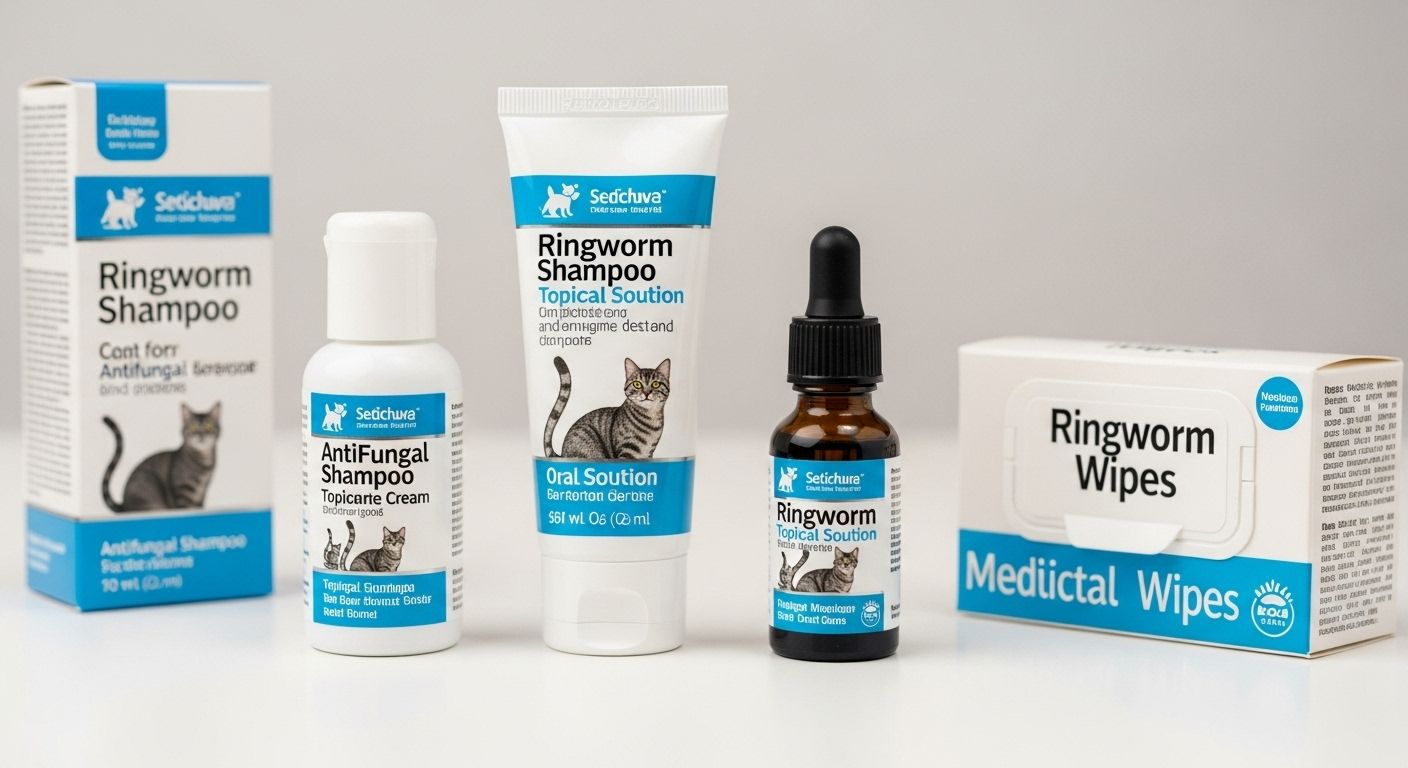
Treating ringworm in cats isn’t a one-and-done deal—it’s a multi-week campaign involving meds, cleaning, and patience. Vets usually prescribe a combo of oral antifungals (like itraconazole or terbinafine), topical lime sulfur dips, and environmental decon. Oral ringworm meds for cats tackle the infection from within, while dips kill spores on the coat. Meanwhile, you’ll need to vacuum daily, wash all fabrics at 60°C, and disinfect surfaces with diluted bleach (1:10 ratio). Skip any step, and the spores throw a comeback tour. Consistency is everything—even if your cat gives you the stink eye for bath time.
Typical Treatment Timeline for Ringworm in Cats
| Week | Action | Goal |
|---|---|---|
| 1 | Start oral meds + first lime sulfur dip | Stop spread, begin healing |
| 2–4 | Weekly dips + continue meds | Clear active lesions |
| 5–8 | Fungal culture tests | Confirm clearance |
| Ongoing | Daily vacuuming, hot laundry | Prevent reinfection |
What Is the Best Ringworm Medication for Cats?
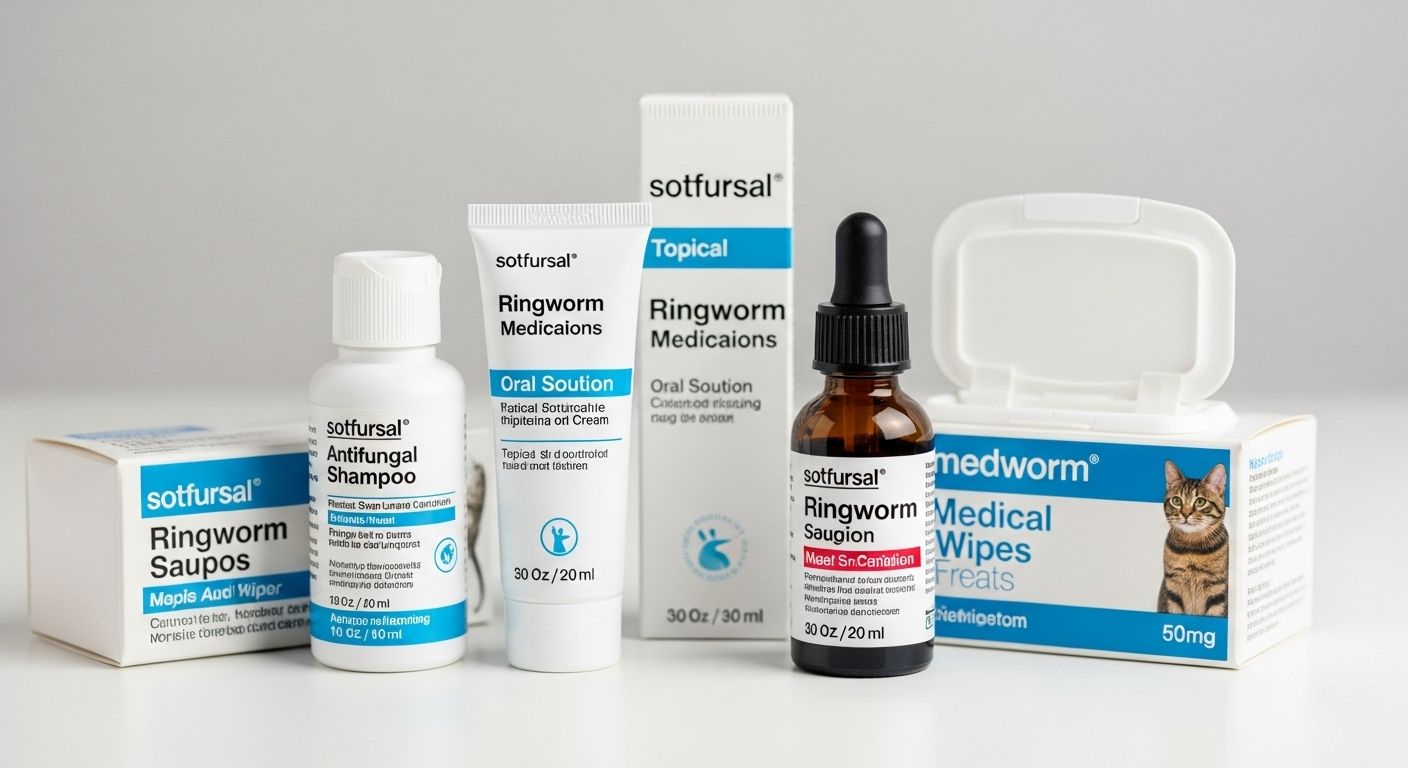
According to UK veterinary guidelines and feline dermatology studies, **itraconazole** is widely regarded as the gold-standard oral ringworm meds for cats. It’s highly effective, well-tolerated, and works faster than older options like griseofulvin (which can cause bone marrow issues in some breeds). Terbinafine is also used off-label with good results. For topical action, **lime sulfur dip** remains the safest and most reliable—despite the eggy smell. Over-the-counter “anti-fungal sprays”? Mostly useless against deep follicular infections. Bottom line: skip the Amazon miracle cures and stick to vet-prescribed protocols. Your cat’s liver—and your sanity—will thank you.
Can You Treat Ringworm in Cats Without Going to the Vet?
Technically? Maybe—if it’s a tiny, isolated patch and you’ve got access to vet-grade supplies. But realistically? **Don’t risk it.** Home remedies like apple cider vinegar, coconut oil, or tea tree oil can irritate your cat’s skin or even cause toxicity (tea tree oil is *dangerous* for cats). Worse, untreated ringworm spreads silently—your “mild case” could become a household outbreak in weeks. Plus, misdiagnosis is common: mites, allergies, or bacterial infections can mimic ringworm. A vet confirms it via Wood’s lamp, fungal culture, or PCR test. Investing in proper diagnosis saves you money, stress, and endless itching down the line. After all, would you treat your own meningitis with paracetamol? Didn’t think so.
Side Effects and Safety: What to Watch For
Most cats tolerate itraconazole well, but side effects can include vomiting, lethargy, or loss of appetite. Rarely, liver enzyme changes occur—so vets may recommend blood tests during long courses. Lime sulfur dips smell like rotten eggs and can stain light fur, but they’re non-toxic and safe even for kittens over 2 weeks old. Never use human antifungal creams—they often contain ingredients toxic to cats. Always follow dosage instructions to the letter. Missed doses or early discontinuation = relapse city. And remember: ringworm meds for cats work best when paired with rigorous environmental control. One without the other is like locking the front door but leaving the windows wide open.
Cost Breakdown: How Much Will This Set You Back?
In the UK, expect to pay around £40–£80 for an initial vet consultation, plus £25–£60 for a 2–4 week course of itraconazole. Lime sulfur dip kits cost £10–£15. Factor in laundry, disinfectants, and maybe a few replacement cushions (because spores cling like exes), and you’re looking at under £120 total for most cases. Compare that to letting it spread—multiple pets infected, human treatments, deep-cleaning carpets—and proper ringworm meds for cats suddenly seems like a bargain. Besides, nothing’s more expensive than guilt when your kid catches it from cuddling Mr. Whiskers.
When Natural Isn’t Nicer: Debunking DIY Myths
“Just rub some coconut oil on it!”—said no qualified vet ever. While natural oils may soothe dry skin, they don’t kill *Microsporum canis*. In fact, oily residues can trap spores and worsen infection. Garlic? Toxic. Essential oils? Potentially fatal. Even “gentle” herbal shampoos lack evidence for curing ringworm. The truth is, fungal spores are tough little blighters that need targeted antifungals to shift. Trust us: your cat doesn’t need aromatherapy—they need science. Save the DIY for baking banana bread, not battling zoonotic fungi.
Where to Turn When You’re Ready to Heal Your Furry Mate
If you’re tired of watching your cat scratch, lose fur, or give you mournful eyes from the isolation room, it’s time to act. Book a vet visit for confirmation and a tailored plan. For trusted guidance that blends clinical insight with real-world care, explore Ambre Botanicals. Dive deeper into recovery strategies in our dedicated Treatments section, or read about accelerated healing in our guide: 3 Day Ringworm Treatment Rapid Recovery. Because every cat deserves to purr without itch—and every home deserves peace of mind.
Frequently Asked Questions
What is the best ringworm medication for cats?
The best ringworm meds for cats is typically oral itraconazole, prescribed by a vet for 2–6 weeks, combined with weekly lime sulfur dips. Itraconazole is highly effective against *Microsporum canis*, the main fungus causing ringworm in cats, and is safer than older drugs like griseofulvin. Topical treatments alone rarely suffice, so systemic ringworm meds for cats are essential for full recovery.
Can you treat ringworm in cats without going to the vet?
It’s strongly discouraged. Ringworm in cats requires accurate diagnosis and prescription-strength treatment. Over-the-counter or home remedies often fail to eradicate the fungus and may even harm your pet. Since ringworm is zoonotic, improper treatment risks spreading it to humans. Effective ringworm meds for cats should always be guided by a veterinarian to ensure safety and cure.
How do you treat ringworm in cats?
Treating ringworm in cats involves a three-pronged approach: (1) oral antifungal medication like itraconazole, (2) topical lime sulfur dips 1–2 times weekly, and (3) rigorous environmental decontamination—daily vacuuming, hot laundry, and surface disinfection. This comprehensive strategy ensures both the cat and home are cleared of spores. Consistent use of vet-approved ringworm meds for cats is critical to prevent relapse.
Can I touch my cat if it has ringworm?
You can, but only with precautions. Wear disposable gloves, avoid face contact, and wash hands thoroughly afterward. Ringworm is highly contagious to humans, especially children and immunocompromised individuals. Limit handling during treatment, and never let others—particularly kids—cuddle an infected cat. Protecting yourself is part of responsible use of ringworm meds for cats and household health.
References
- https://www.pdsa.org.uk/pet-help-and-advice/pet-health-hub/conditions/ringworm-in-cats
- https://icatcare.org/advice/ringworm-in-cats/
- https://www.ncbi.nlm.nih.gov/pmc/articles/PMC7385321/
- https://www.bva.co.uk/resources-for-vets/clinical-resources/feline-dermatophytosis-guidelines/