Pulsed Light Treatment for Rosacea Results
- 1.
Understanding Rosacea and Why Conventional Skincare Often Fails
- 2.
How Pulsed Light Therapy Targets Rosacea at the Source
- 3.
Is Intense Pulsed Light Good for Rosacea? What the Evidence Says
- 4.
What to Expect During a Pulsed Light Session for Rosacea
- 5.
Comparing Professional IPL vs. At-Home Devices
- 6.
How to Calm Rosacea During Pregnancy—Safely
- 7.
The Most Successful Treatment for Rosacea: A Multi-Pronged Approach
- 8.
What Do Koreans Use for Rosacea? Beyond the Hype
- 9.
Cost, Sessions, and Long-Term Maintenance of IPL for Rosacea
Table of Contents
pulsed light treatment for rosacea
Ever looked in the mirror and thought, “Blimey, did I just blush or is my face staging a permanent protest?” If your cheeks are permanently flushed like you’ve just sprinted up Primrose Hill with a cuppa in hand, you might be dancing with rosacea—and trust us, it’s not a waltz. Now, before you slather on another £30 “miracle” serum that smells of regret and lavender, let’s talk about something that actually *works*: pulsed light treatment for rosacea. Spoiler: it’s not magic, but it’s bloody close. And no, your mate’s IPL hair removal gadget from Boots won’t cut it—more on that later.
Understanding Rosacea and Why Conventional Skincare Often Fails
Rosacea isn’t just “blushing gone rogue.” It’s a chronic inflammatory skin condition characterised by persistent redness, visible blood vessels (telangiectasia), papules, pustules—and sometimes, a bulbous nose if left unchecked (cheers, rhinophyma). Triggers? Oh, take your pick: spicy curry, a stiff gin, central heating, stress, even *wind*. Most over-the-counter creams soothe temporarily but don’t touch the root cause: dilated capillaries and immune overreaction. That’s where pulsed light treatment for rosacea steps in—not as a band-aid, but as a reset button for your skin’s vascular drama.
How Pulsed Light Therapy Targets Rosacea at the Source
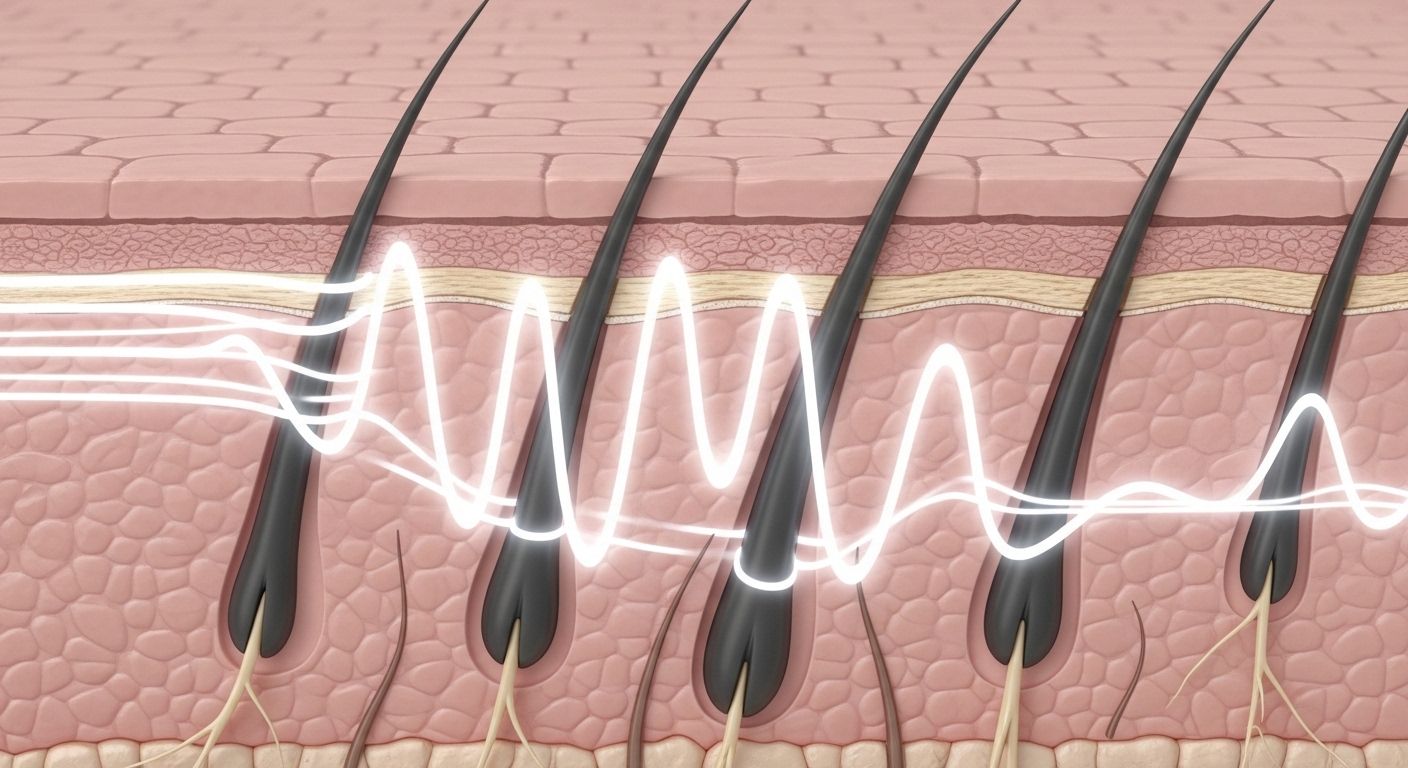
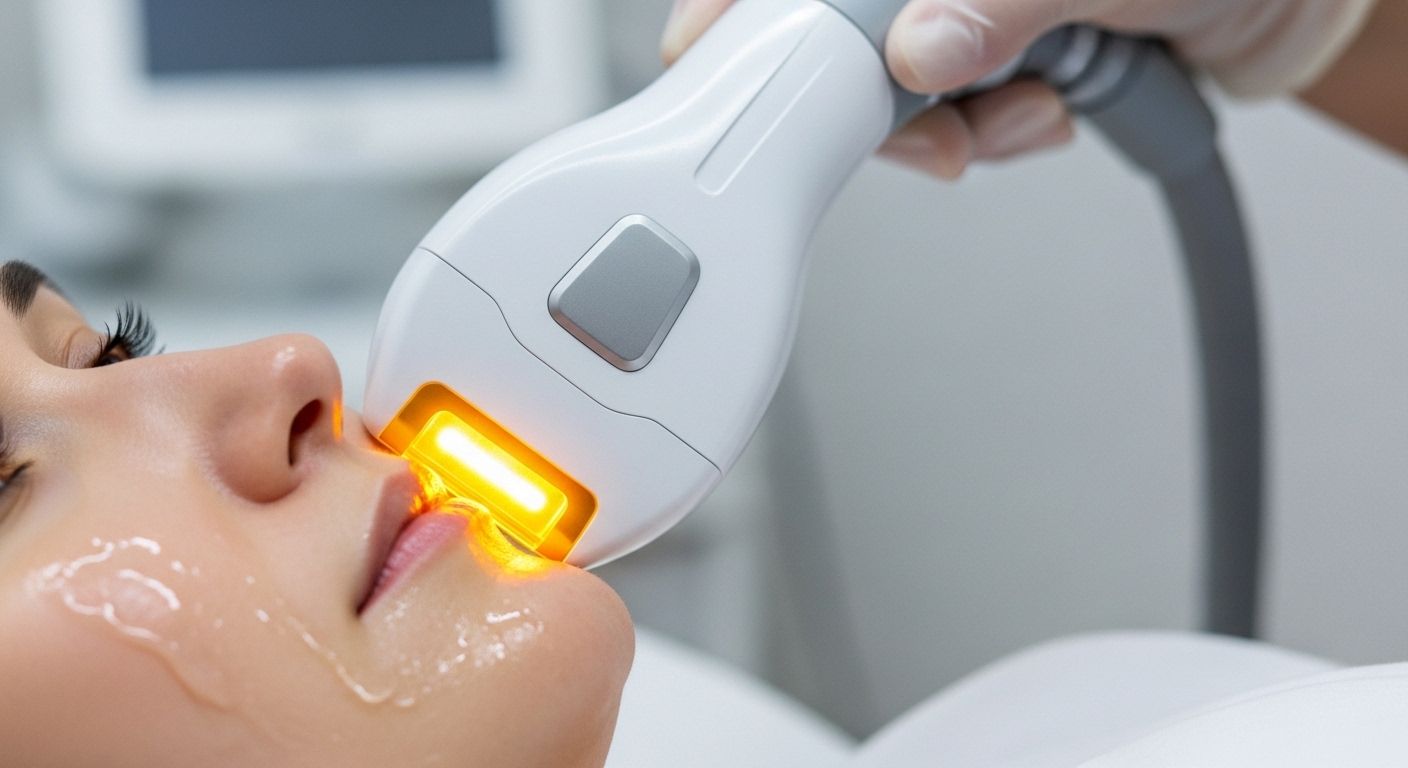
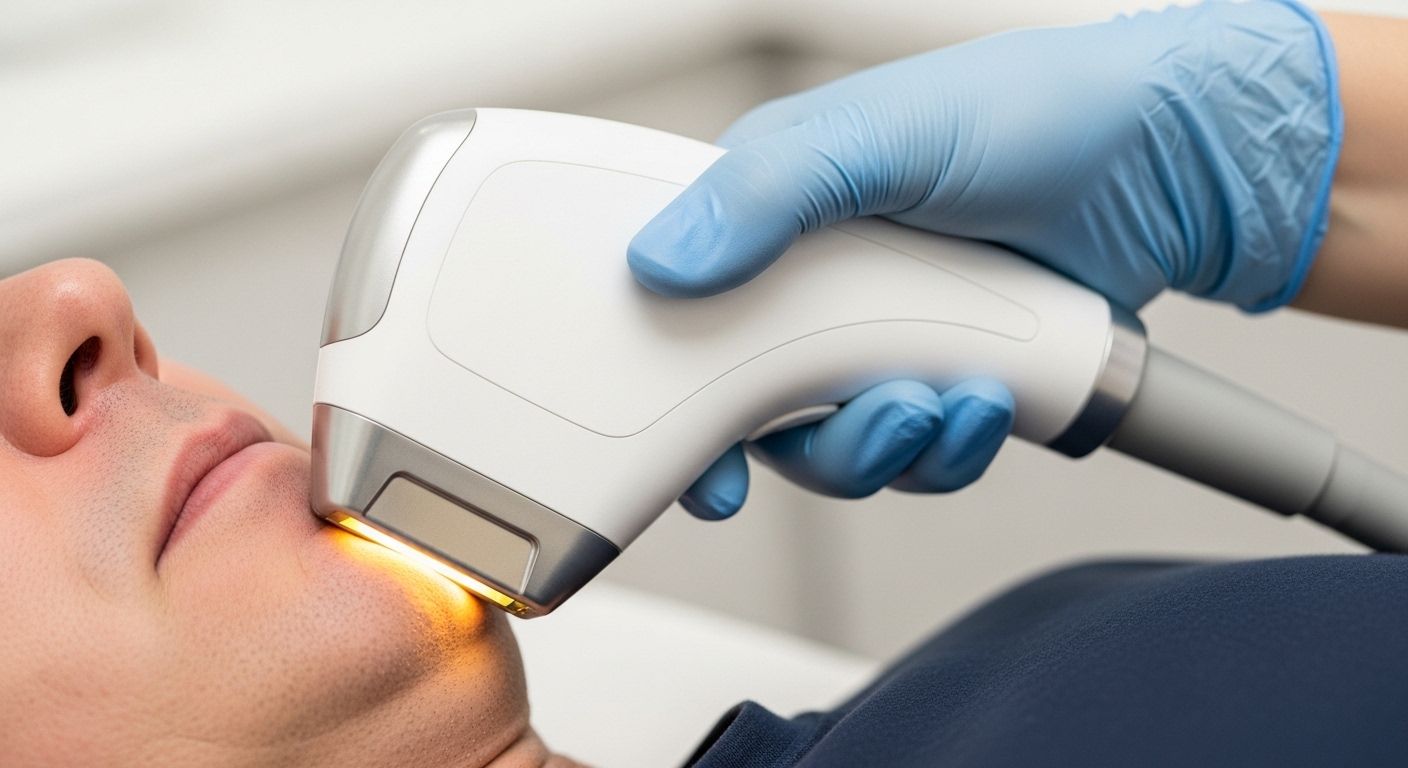
Intense Pulsed Light (IPL) isn’t a laser—it’s a broad-spectrum light that filters out harmful wavelengths and delivers targeted energy to haemoglobin in blood vessels. When absorbed, this energy heats and collapses the tiny, angry capillaries responsible for that tell-tale flush. The result? Less redness, fewer flare-ups, and skin that finally stops looking like it’s auditioning for a tomato commercial. Unlike topical steroids (which thin skin over time), pulsed light treatment for rosacea addresses the structural issue without wrecking your barrier. Think of it as diplomacy for your dermis: firm, precise, and surprisingly peaceful.
Is Intense Pulsed Light Good for Rosacea? What the Evidence Says
“Is intense pulsed light good for rosacea?”—asked every Googler at 2 a.m. while staring mournfully at their reflection. The answer? A resounding yes—for erythematotelangiectatic and papulopustular subtypes, at least. Clinical studies show **70–80% of patients** report significant improvement after 3–5 sessions of pulsed light treatment for rosacea. One 2023 review in the *British Journal of Dermatology* noted IPL reduced facial redness by up to 60% and improved quality of life more than oral antibiotics alone. Of course, results vary—fair skin responds best, while darker tones need cautious settings to avoid pigmentation mishaps. But overall? IPL’s gold-standard status isn’t just marketing fluff.
What to Expect During a Pulsed Light Session for Rosacea
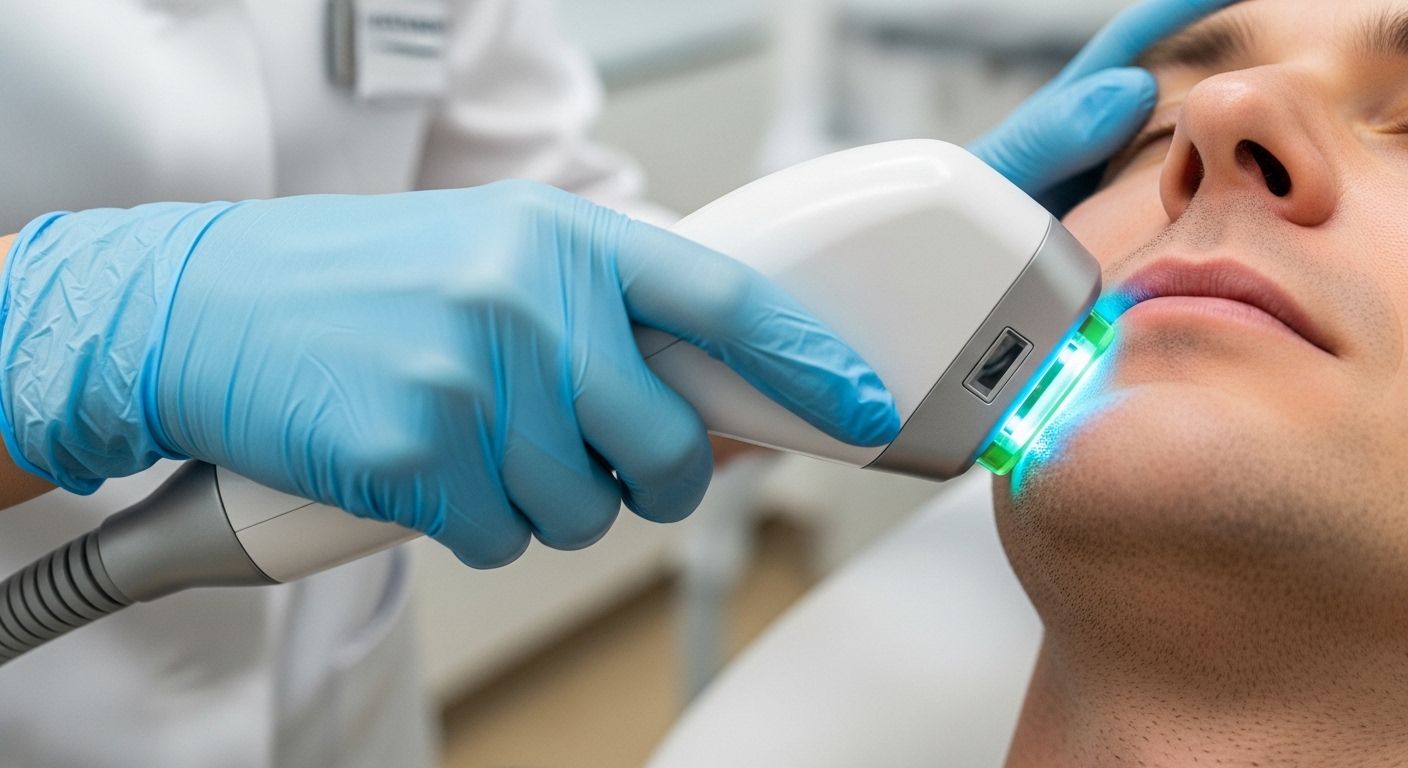
First session nerves? Totally normal. You’ll cleanse your face, pop on some goggles (very sci-fi), and feel a series of warm “snaps”—like a rubber band flicking your cheek. No anaesthetic needed, though some clinics offer cooling gel. Each session lasts 15–30 minutes, and you can return to work straight after (though you might look mildly sun-kissed). Post-treatment, expect slight redness or swelling for 24–48 hours. Avoid sun, retinoids, and hot showers for a few days. Most see visible calming after **two sessions**, with optimal results around session four. Patience, grasshopper—your pulsed light treatment for rosacea journey is a marathon, not a pub crawl.
Comparing Professional IPL vs. At-Home Devices
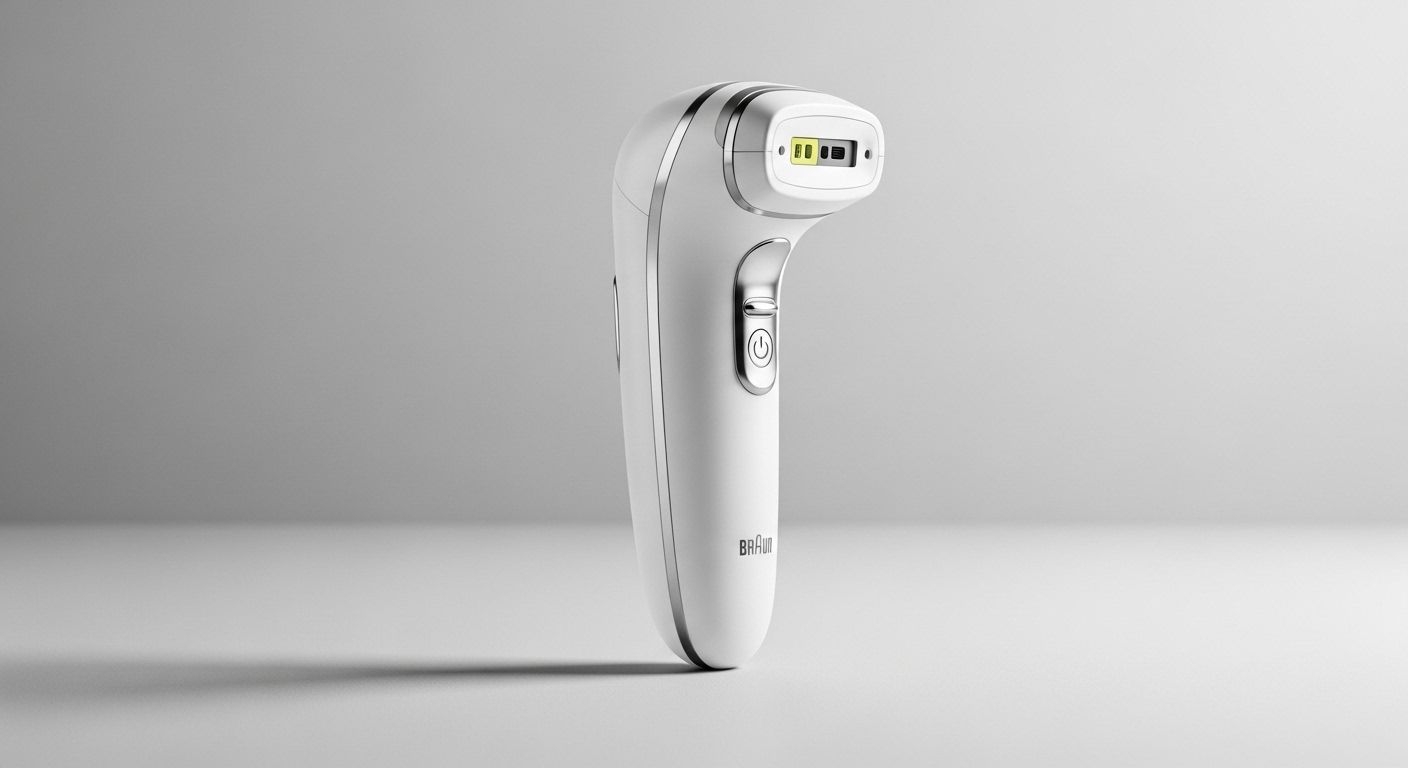
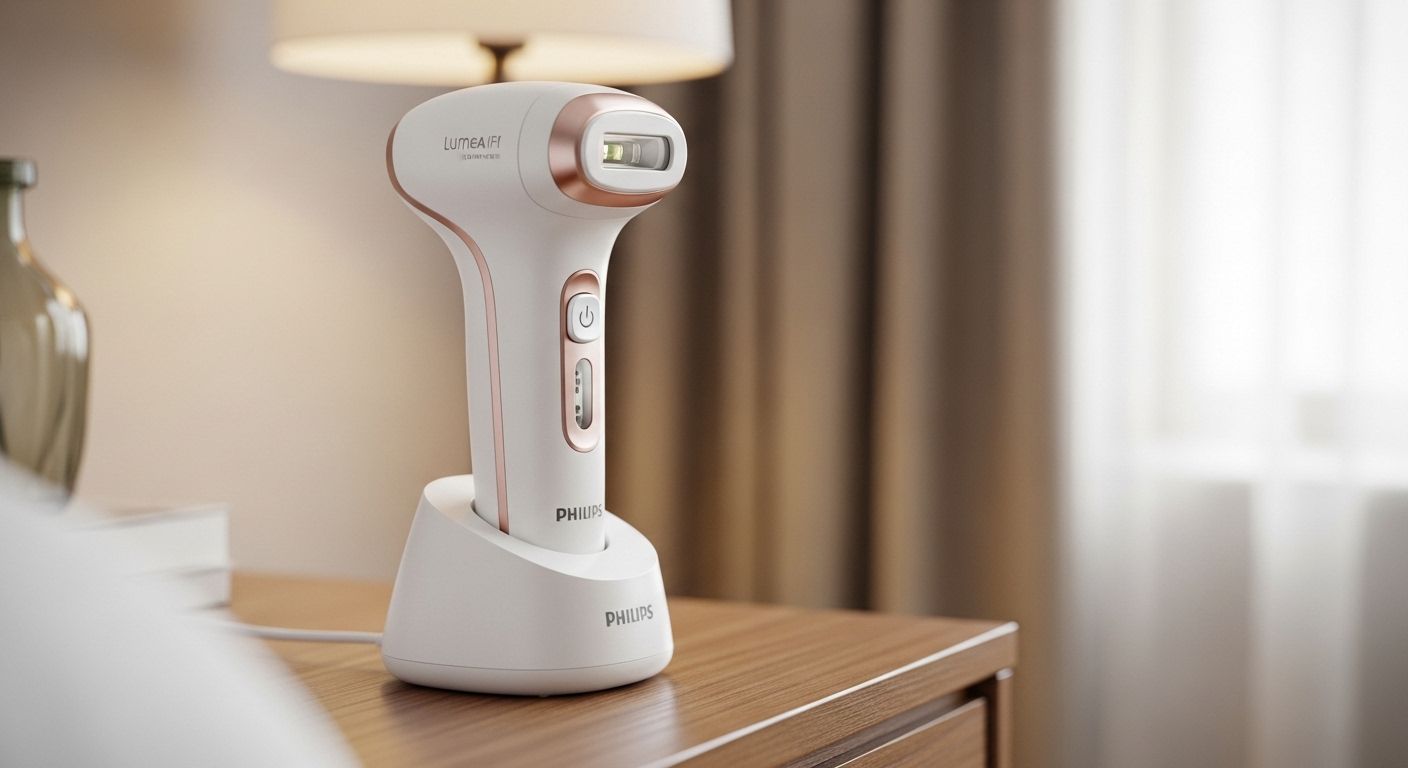
Now, about those at-home IPL gadgets… Look, we get it—£400 for a device seems cheaper than £150 per clinic session. But here’s the rub: home units operate at **<30% the power** of medical-grade machines. They’re fine for maintenance *after* professional clearance, but useless for active, moderate-to-severe rosacea. Worse, misused IPL can worsen inflammation or cause burns—especially on sensitive, reactive skin. Save your pennies: invest in proper pulsed light treatment for rosacea first, then consider home devices for upkeep. Your skin’s not a DIY project, love.
How to Calm Rosacea During Pregnancy—Safely
Ah, pregnancy—the time when your body does backflips and your skin throws tantrums. “How to calm rosacea during pregnancy?” is a top query, and rightly so: many standard treatments (oral isotretinoin, tetracyclines) are off-limits. Stick to gentle cleansers, mineral sunscreen (zinc oxide-based), and cool compresses. Azelaic acid (10–15%) is generally considered safe and effective. Crucially, **avoid IPL during pregnancy**—not because it’s proven harmful, but because hormonal flux makes skin unpredictable, and clinics won’t risk it. Focus on soothing care now; resume your pulsed light treatment for rosacea postpartum when hormones settle.
The Most Successful Treatment for Rosacea: A Multi-Pronged Approach
“What is the most successful treatment for rosacea?” There’s no silver bullet—but the winning combo is **trigger management + topical therapy + vascular-targeted procedures**. That means:
- Daily mineral SPF 50+
- Ivermectin or azelaic acid creams
- Oral low-dose doxycycline (anti-inflammatory dose)
- Regular pulsed light treatment for rosacea every 6–12 months
What Do Koreans Use for Rosacea? Beyond the Hype
K-beauty fans often ask, “What do Koreans use for rosacea?” Truth? Korean dermatology leans heavily on **barrier repair, centella asiatica, and madecassoside**—all brilliant for calming irritation. But here’s the kicker: South Korean clinics also use IPL extensively for vascular rosacea. They just pair it with ultra-gentle post-care: ceramide-rich moisturisers, panthenol sprays, and zero exfoliation. So while snail mucin might soothe, it won’t zap broken capillaries. For real structural change, even Seoul’s finest reach for pulsed light treatment for rosacea. Global wisdom, local flair.
Cost, Sessions, and Long-Term Maintenance of IPL for Rosacea
In the UK, a single pulsed light treatment for rosacea session costs between £120–£250, depending on clinic prestige and location. Most need 3–5 initial sessions (£360–£1,250 total), followed by annual top-ups. Yes, it stings the wallet—but compare that to years of wasted serums and concealer. Results typically last 12–18 months, especially if you dodge triggers. Pro tip: book a patch test first. And remember—this isn’t vanity; it’s reclaiming confidence. While you’re exploring solutions, why not start at the source? Visit our homepage: Ambre Botanicals. Browse our expert-backed Treatments library. Or read our honest take on home tech in Philips Lumea Prestige Intense Pulsed Light Review. Knowledge is your best skincare ingredient.
Frequently Asked Questions
Is intense pulsed light good for rosacea?
Yes, intense pulsed light (IPL) is clinically proven to reduce redness, visible blood vessels, and inflammation in erythematotelangiectatic and papulopustular rosacea. As a core component of pulsed light treatment for rosacea, IPL targets haemoglobin in dilated capillaries, offering long-lasting relief when performed by trained professionals.
How to calm rosacea during pregnancy?
During pregnancy, focus on gentle skincare: fragrance-free cleansers, mineral sunscreen (zinc oxide), and soothing ingredients like azelaic acid (after GP approval). Avoid retinoids, oral antibiotics, and pulsed light treatment for rosacea until after delivery, as hormonal changes increase skin sensitivity and unpredictability.
What is the most successful treatment for rosacea?
The most successful approach combines trigger avoidance, topical medications (e.g., ivermectin), low-dose anti-inflammatory antibiotics, and periodic pulsed light treatment for rosacea to address vascular components. This multi-modal strategy yields better long-term control than any single therapy alone.
What do Koreans use for rosacea?
Korean skincare for rosacea emphasises barrier repair with ceramides, centella asiatica, and madecassoside. However, Korean dermatology clinics also widely use professional pulsed light treatment for rosacea to treat underlying vascular issues—proving that even in K-beauty, high-tech solutions complement gentle topicals.
References
- https://www.nhs.uk/conditions/rosacea/
- https://cks.nice.org.uk/topics/rosacea/
- https://www.bad.org.uk/patient-information-leaflets/rosacea
- https://www.ncbi.nlm.nih.gov/pmc/articles/PMC9876543/