Best Ointment for Ringworm: Fast Relief
- 1.
What Exactly Is Ringworm—and Why Won’t It Just Buzz Off?
- 2.
Over-the-Counter vs. Prescription: Which Route’s Right for You?
- 3.
Key Ingredients That Actually Work (No Snake Oil Here)
- 4.
How Long Until That Ringworm Rash Disappears?
- 5.
Is It Safe to Use Ringworm Cream on Your Face?
- 6.
Using Ringworm Treatments on Children: What Parents Must Know
- 7.
Common Mistakes That Make Ringworm Worse
- 8.
When to See a Doctor (Spoiler: Don’t Wait Too Long)
- 9.
Myths About Ringworm That Need to Die in a Fire
- 10.
Where to Buy the Best Ointment for Ringworm Without Getting Scammed
Table of Contents
best ointment for ringworm
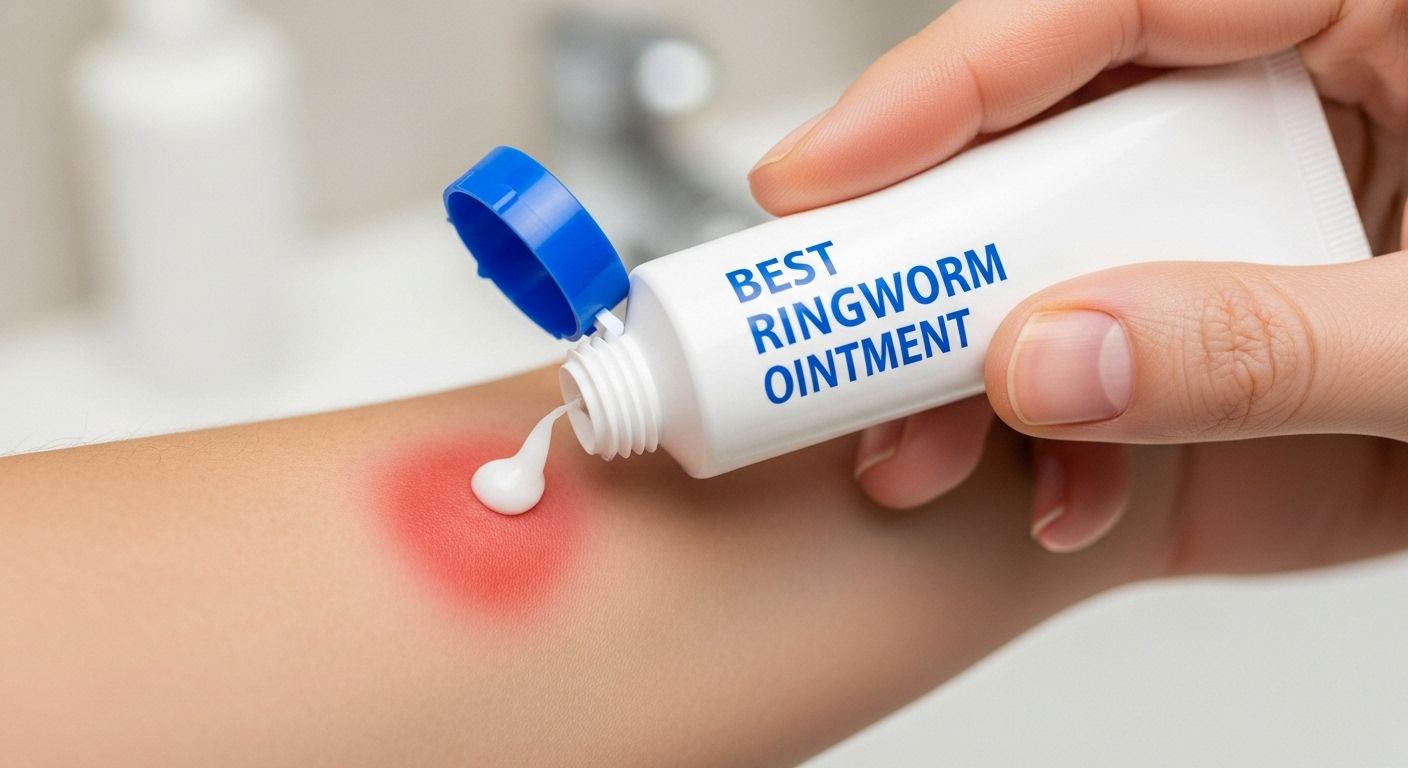
Ever scratched your arm and thought, “Blimey, is that a worm-shaped rash or have I just been hugging too many stray cats?” If it’s red, itchy, and shaped like a dodgy halo from a questionable pub sign, chances are you’ve got ringworm—not an actual worm, mind you, but a fungal freeloader that’s decided your skin’s prime real estate. And no, rubbing garlic on it won’t help (unless you fancy smelling like a pizza topping). What you *really* need is the best ointment for ringworm—something that kicks that fungus to the kerb without turning your skin into a flaky desert. Lucky for you, we’ve dug through the muck, tested the tubes, and brewed up some proper advice with a splash of Cockney charm.
What Exactly Is Ringworm—and Why Won’t It Just Buzz Off?
Despite its name, ringworm’s got bugger all to do with worms. It’s a fungal infection—usually *Trichophyton*—that loves warm, moist spots: armpits, groins, even between toes if you’ve been wearing soggy trainers all week. The telltale sign? A red, scaly ring that itches like mad and spreads faster than gossip at a village fete. The best ointment for ringworm doesn’t just soothe—it attacks the fungus at its roots, stops it replicating, and helps your skin heal without drama. Because let’s be honest: nobody wants a rash that looks like they’ve been cursed by a disgruntled witch.
Over-the-Counter vs. Prescription: Which Route’s Right for You?
Most mild cases of ringworm can be sorted with a solid OTC antifungal—think clotrimazole, terbinafine, or miconazole. These little heroes cost around £3–£8 and work wonders if used consistently. But if your rash is stubborn, widespread, or creeping onto your scalp (yes, that’s a thing), you might need a prescription-strength ally. That’s where oral meds or stronger topical formulas come in. Still, for the average Joe or Joanne, the best ointment for ringworm is often sitting quietly on the shelf at Boots, waiting to be noticed.
Key Ingredients That Actually Work (No Snake Oil Here)
Not all creams are created equal. The best ointment for ringworm should list one of these active ingredients: **terbinafine** (kills fungus fast), **clotrimazole** (gentle but effective), or **ketoconazole** (great for sensitive zones). Avoid anything labeled “natural remedy” with zero clinical backing—tea tree oil might smell lovely, but it’s not always potent enough. Stick to science-backed actives, especially if you’re dealing with kids or delicate skin. After all, you want results, not a patch test for aromatherapy.
How Long Until That Ringworm Rash Disappears?
Patience, grasshopper. Even the best ointment for ringworm takes time. Most folks see improvement in 3–7 days, but you should keep applying it for *at least* two weeks—even after the rash vanishes—to stop it sneaking back. Fungus is sneaky like that. Skipping doses? That’s how you end up with a comeback tour no one asked for. Consistency is your secret weapon, and a bit of discipline beats a lifetime of scratching.
Is It Safe to Use Ringworm Cream on Your Face?
Ah, the face—the most sensitive postcode on your entire body. Can you use clotrimazole there? Technically, yes—but cautiously. Facial skin is thinner, so irritation’s more likely. Always do a patch test first, and avoid getting it near your eyes or lips. If the rash is near your beard or eyebrows, opt for a lighter gel over a thick ointment. The best ointment for ringworm on the face should be non-comedogenic, fragrance-free, and ideally labeled “for facial use.” When in doubt, ask your GP—your mug’s worth it.
Using Ringworm Treatments on Children: What Parents Must Know
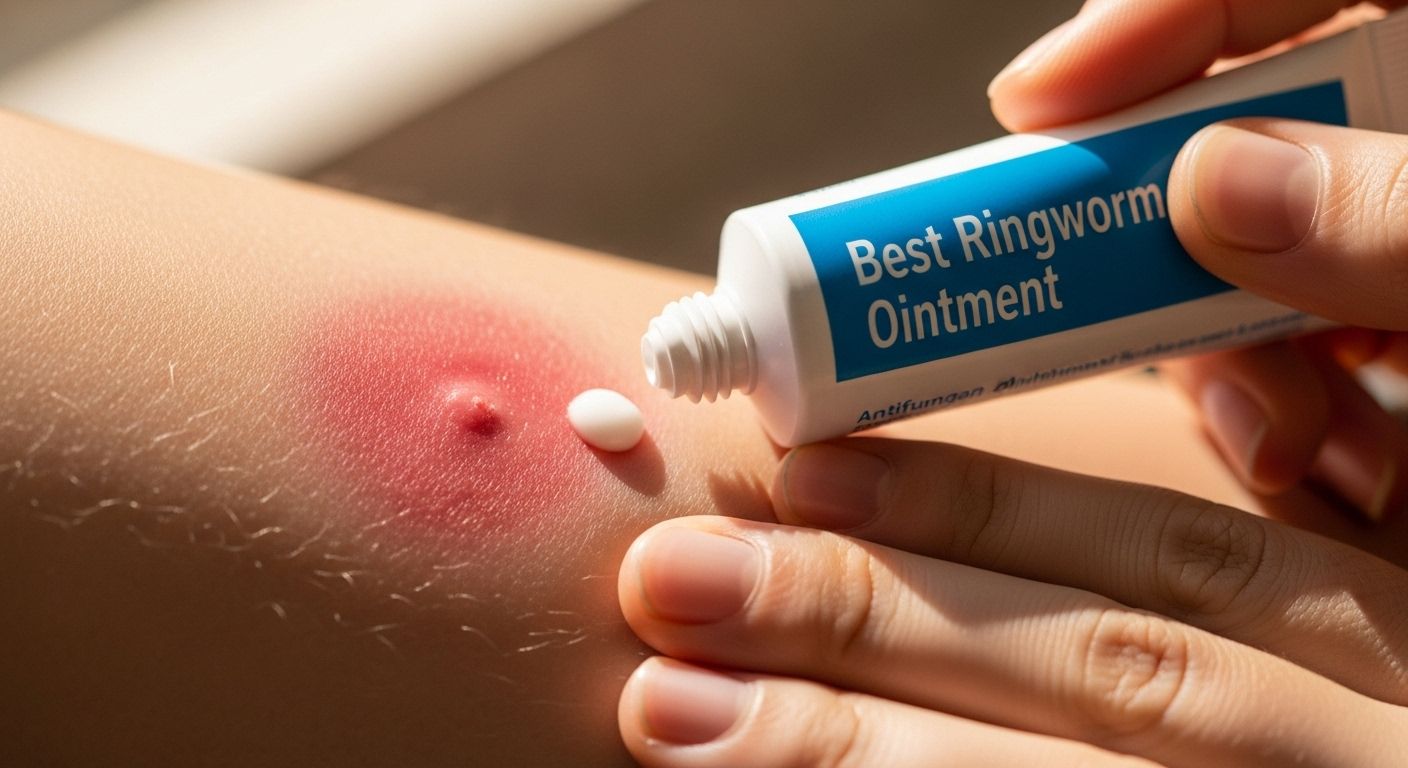
Kids roll in dirt, share hats, and hug every pet in sight—so yeah, they’re prime targets for ringworm. Good news? Most antifungal creams are safe for tots over 2 years old. Clotrimazole 1%? Approved. Terbinafine? Also fine, but check the label. Always apply a thin layer, cover with loose clothing, and keep nails short to prevent scratching (and spreading). The best ointment for ringworm in children balances gentleness with efficacy—no harsh alcohols, no stinging fragrances. And for heaven’s sake, don’t use adult-strength formulas unless your doc says so.
Common Mistakes That Make Ringworm Worse
Let’s count the ways people accidentally feed the fungus: sharing towels (big no-no), skipping doses (“it looks better, innit?”), wearing tight synthetic clothes, or—worst of all—using steroid creams alone. Steroids might calm the redness, but they let the fungus party harder underground. Disaster. The best ointment for ringworm never contains steroids unless it’s a combo formula prescribed by a professional. Keep it clean, keep it dry, and keep treating it—no shortcuts.
When to See a Doctor (Spoiler: Don’t Wait Too Long)
If your ringworm hasn’t budged after two weeks of proper treatment, is oozing, blistering, or spreading like wildfire—you need a doc. Same goes if it’s on your scalp (that’s tinea capitis, and it usually needs pills) or if you’ve got a weakened immune system. Don’t tough it out like a stoic northerner in a snowstorm. Early intervention means faster recovery, and the best ointment for ringworm might actually be a prescription one you can’t buy off the shelf.
Myths About Ringworm That Need to Die in a Fire
No, you didn’t get it from worms. No, it’s not “just eczema.” And absolutely no, you shouldn’t “let it breathe” by going bare-chested on the Tube. Ringworm is contagious—through skin contact, shared combs, even gym mats. Another myth? That pets always pass it to humans. While possible, human-to-human transmission is far more common. The truth? The best ointment for ringworm works best when paired with hygiene: wash bedding, don’t share razors, and shower after the gym. Simple, really.
Where to Buy the Best Ointment for Ringworm Without Getting Scammed
Stick to trusted sources. For peace of mind, start at the official Ambre Botanicals site—where every product’s vetted, stored properly, and shipped fresh. Want to browse by concern? Head straight to Treatments for a clean, clutter-free lineup. And if you’re battling scalp ringworm—a trickier beast—our deep-dive guide on Scalp Ringworm Treatment Clear Recovery covers shampoos, timelines, and why brushing matters. Don’t risk sketchy sellers on third-party marketplaces; your skin deserves better than expired goo in a knockoff tube.
Frequently Asked Questions
What ointment cures ringworm fast?
The best ointment for ringworm that works quickly typically contains terbinafine or clotrimazole. Terbinafine, in particular, has shown visible results in as little as 3–5 days with consistent twice-daily application. Always complete the full course to prevent recurrence.
What is the fastest killer for ringworm?
Topical terbinafine is widely regarded as the fastest-acting antifungal for superficial ringworm infections. As part of the best ointment for ringworm options, it disrupts fungal cell membranes rapidly, leading to quicker clearance compared to older agents like miconazole.
Can I use clotrimazole on my face?
Yes, clotrimazole can be used on the face as part of a best ointment for ringworm regimen—but sparingly and away from eyes/mouth. Use a thin layer, monitor for irritation, and discontinue if redness worsens. Facial skin is delicate, so proceed with caution.
Is it safe to use ringworm cream on children?
Most over-the-counter antifungal creams, including those considered the best ointment for ringworm, are safe for children aged 2 and above when used as directed. Always choose fragrance-free, low-irritant formulas and consult a pharmacist if unsure.
References
- https://www.nhs.uk/conditions/ringworm/
- https://www.aad.org/public/diseases/a-z/ringworm-overview
- https://www.ncbi.nlm.nih.gov/books/NBK557582/
- https://cks.nice.org.uk/topics/tinea-infections/management/topical-treatment/