Rosacea Pulsed Light Treatment Benefits Exposed
- 1.
Understanding Rosacea Pulsed Light Treatment: More Than Just a Flash
- 2.
How Rosacea Pulsed Light Treatment Actually Works on the Skin
- 3.
Typical Costs of Rosacea Pulsed Light Treatment Across the UK
- 4.
Is Rosacea Pulsed Light Treatment Available on the NHS?
- 5.
Realistic Expectations: Can Rosacea Go Away with Laser or IPL?
- 6.
Who’s a Good Candidate for Rosacea Pulsed Light Treatment?
- 7.
What to Expect During and After a Session
- 8.
Common Myths About Rosacea Pulsed Light Treatment Debunked
- 9.
Maintenance Tips to Prolong Results After Rosacea Pulsed Light Treatment
Table of Contents
rosacea pulsed light treatment
Ever caught your reflection in a shop window and thought, “Crikey, did I just walk through a bonfire or is my face staging a rebellion again?” If you’ve got rosacea, you’ll know that flare-ups don’t knock—they barge in uninvited, red-faced and dramatic. But what if we told you there’s a way to quiet the chaos without slathering on another tub of cream that smells like a herbalist’s backroom? Enter rosacea pulsed light treatment—a high-tech whisper that tells those angry blood vessels to pipe down. And no, it’s not sci-fi; it’s science with a side of serenity.
Understanding Rosacea Pulsed Light Treatment: More Than Just a Flash
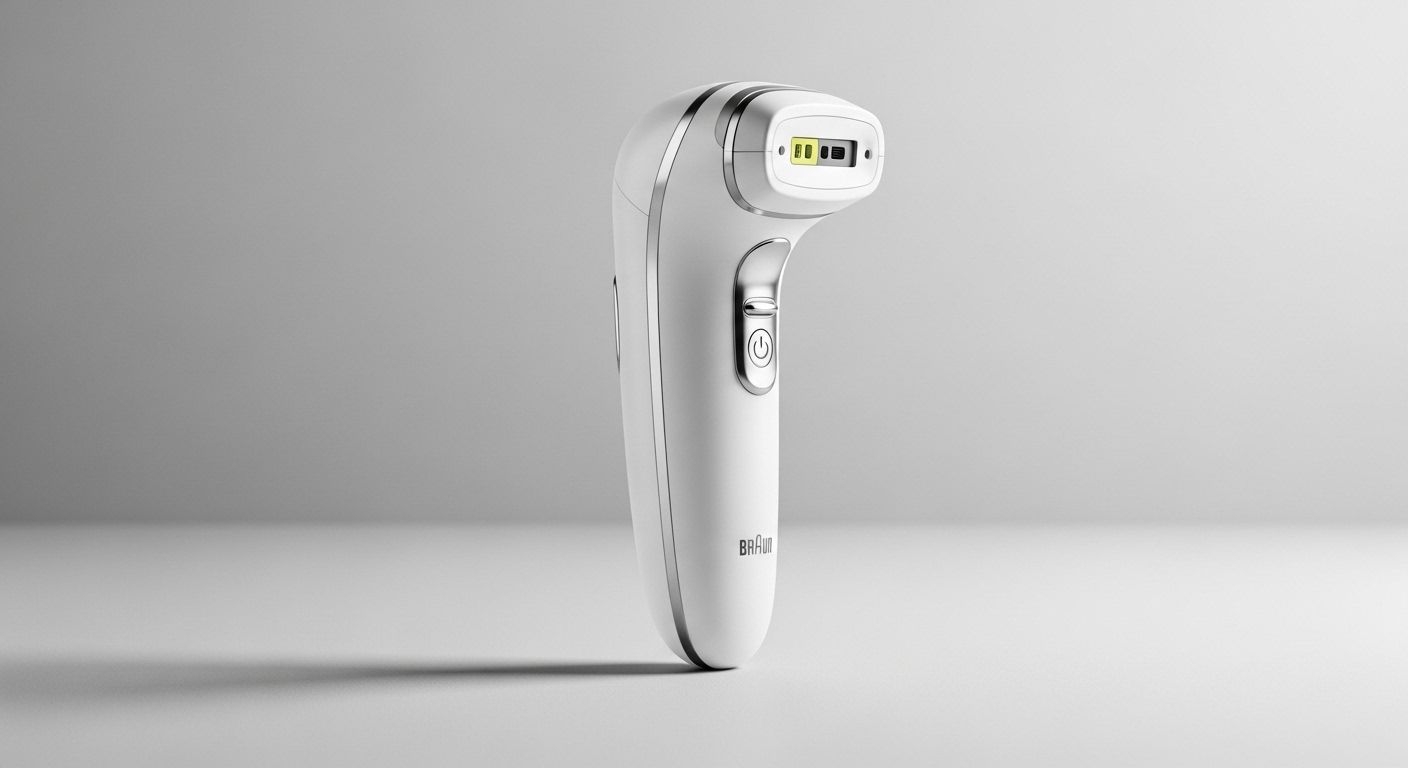
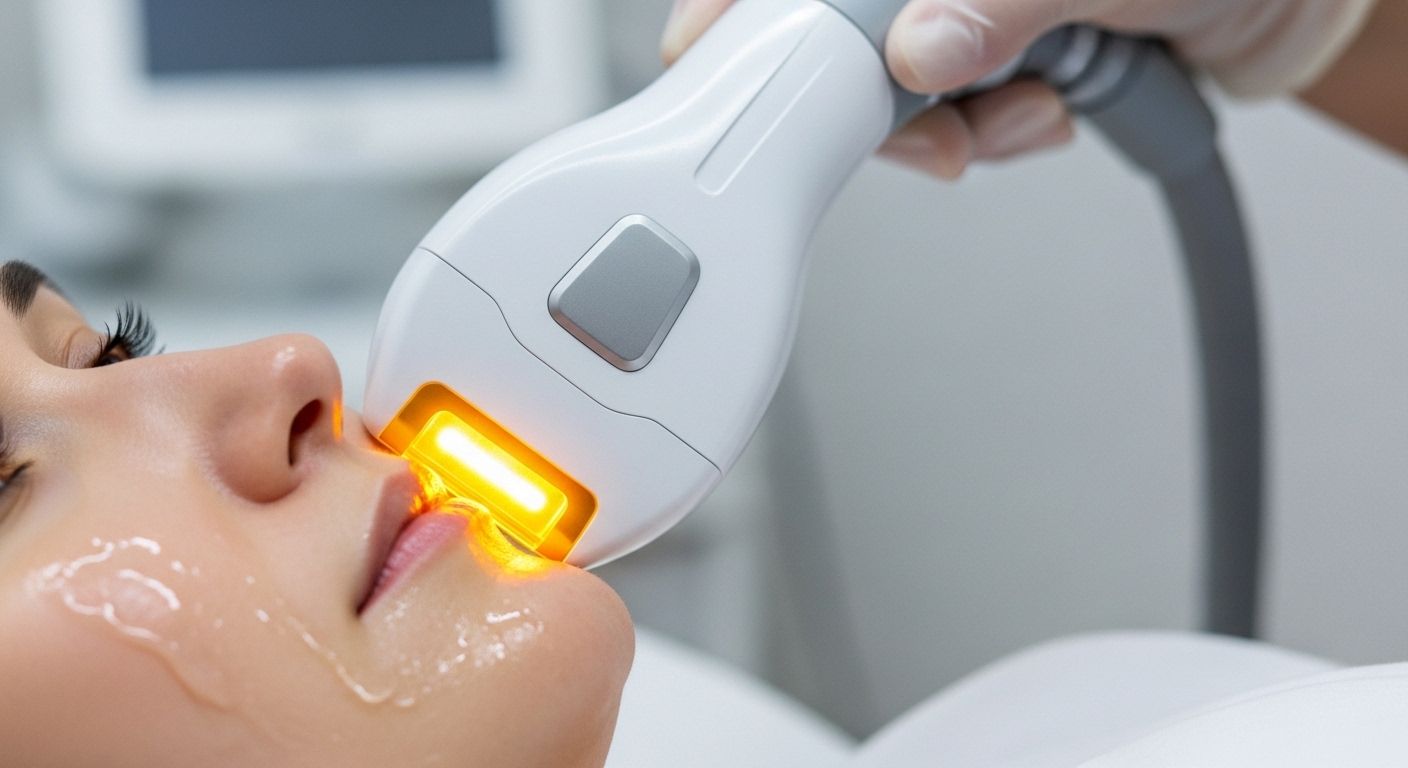
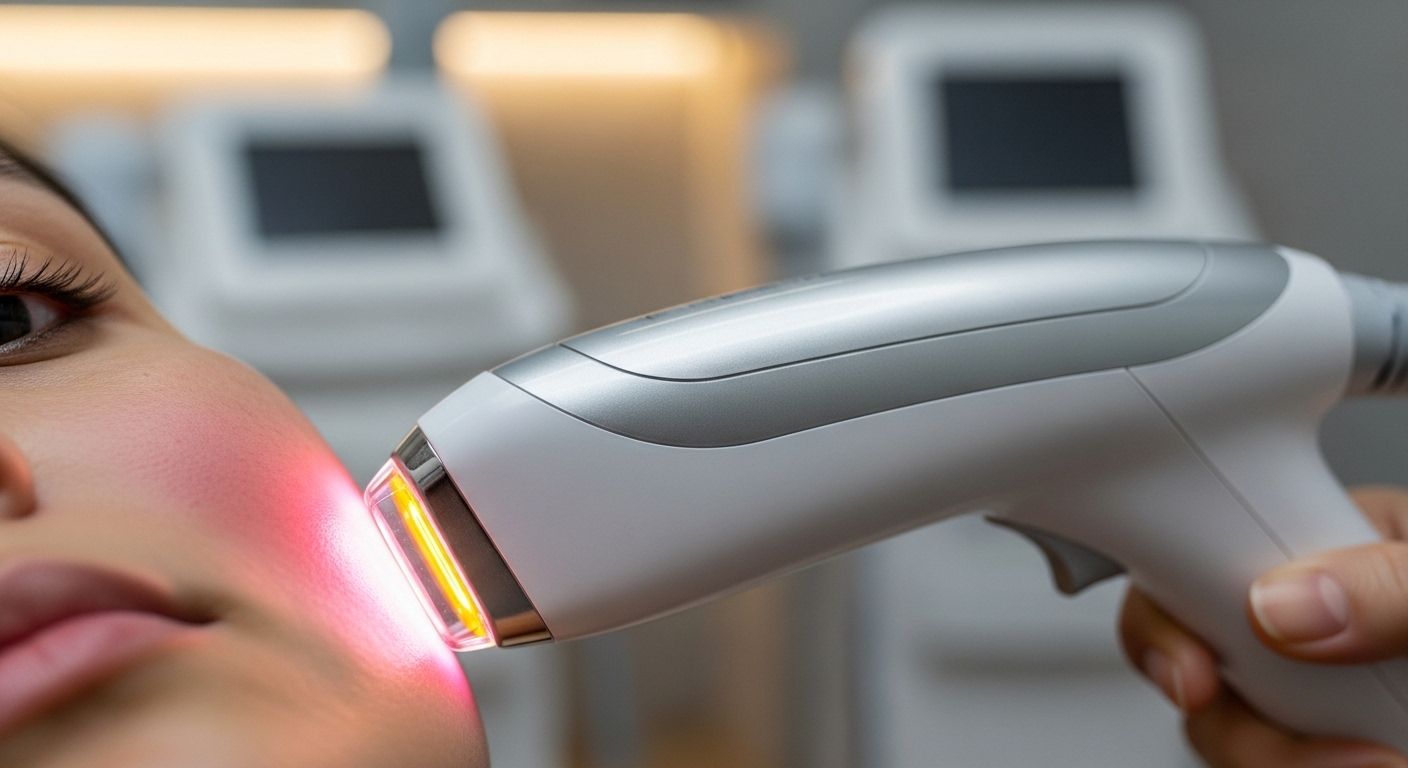
Right then—let’s cut through the jargon. Rosacea pulsed light treatment, often called Intense Pulsed Light (IPL), isn’t laser in the strictest sense, but it works on similar principles: targeted light energy zaps dilated capillaries and reduces redness without harming surrounding skin. Unlike lasers that use one wavelength, IPL uses a broad spectrum, making it gentler for sensitive, reactive skin prone to rosacea. Think of it as giving your face a calming cuppa after a rowdy night out—soothing, restorative, and surprisingly effective. Most patients notice visible improvement after just two or three sessions, with minimal downtime. Not bad for a lunchtime procedure, eh?
How Rosacea Pulsed Light Treatment Actually Works on the Skin
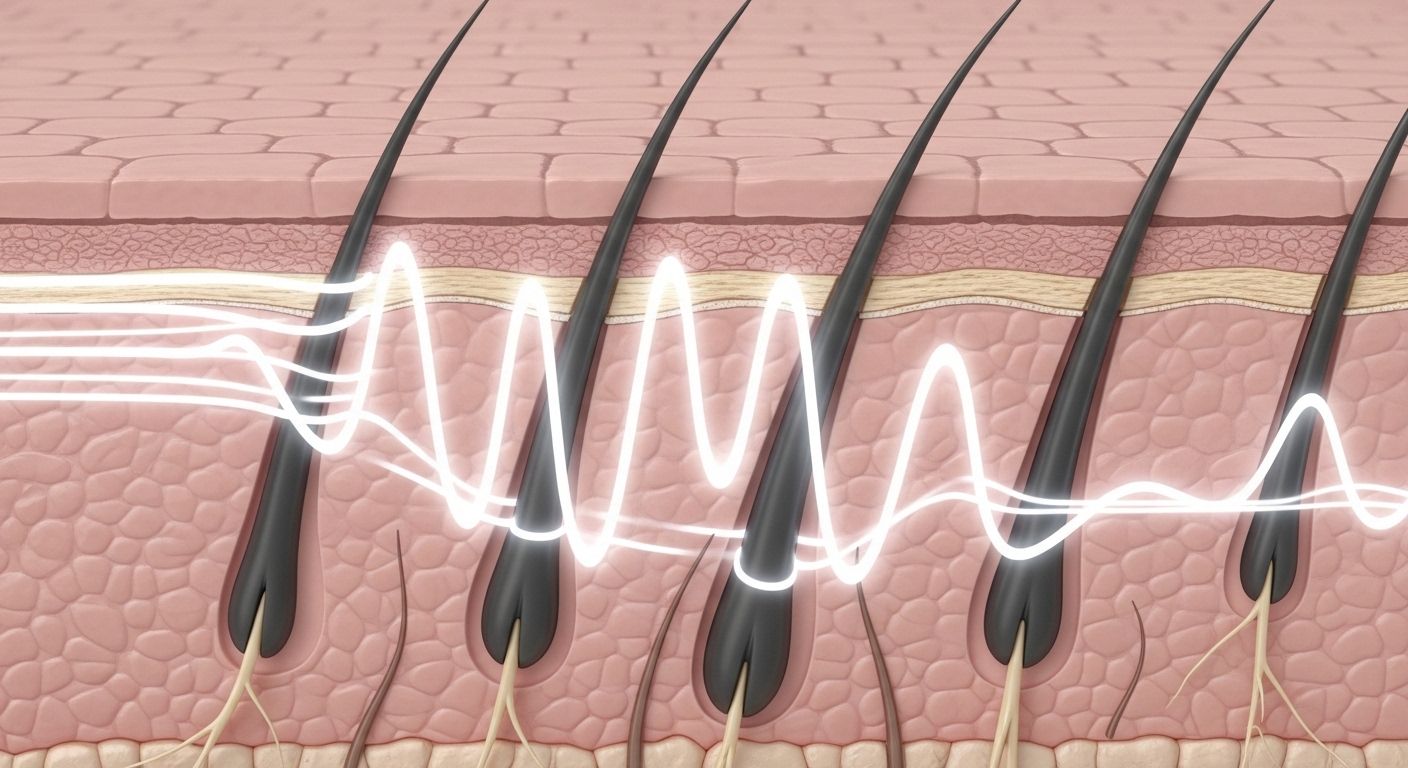
Here’s the nitty-gritty: when that flash of light hits your cheek, haemoglobin in the overactive blood vessels absorbs the energy, heats up, and collapses. Over days, your body naturally clears away the debris, leaving behind smoother, calmer skin. Crucially, rosacea pulsed light treatment doesn’t “burn off” rosacea—it modulates the vascular response that fuels persistent redness and flushing. It won’t cure the condition (rosacea’s a lifelong guest, unfortunately), but it can turn down the volume significantly. And because IPL also stimulates collagen, you might even score a subtle glow-up as a bonus. Two birds, one very polite pulse of light.
Typical Costs of Rosacea Pulsed Light Treatment Across the UK
Let’s talk brass tacks—how much will it set you back? Prices for rosacea pulsed light treatment vary by clinic, location, and number of sessions needed. In London, expect to pay between £150–£300 per session; outside the capital, it’s often £100–£220. Most folks need 3–6 sessions spaced 3–4 weeks apart for optimal results, so budget around £450–£1,200 total. Some clinics offer package deals—worth asking about! And while it’s tempting to chase the cheapest option, remember: this isn’t eyebrow threading. Experience matters. A botched session can worsen redness or cause pigmentation issues, especially on fair, reactive skin.
Average Price Range for Rosacea Pulsed Light Treatment by Region
| Region | Average Cost per Session (GBP) |
|---|---|
| London | £180–£300 |
| Manchester/Birmingham | £140–£240 |
| Edinburgh/Glasgow | £130–£220 |
| Bristol/Leeds | £120–£210 |
| Rural Areas | £100–£180 |
As you can see, rosacea pulsed light treatment isn’t exactly pocket change—but compared to years of expensive topical regimens that barely scratch the surface? Many find it a worthy investment in confidence, not just complexion.
Is Rosacea Pulsed Light Treatment Available on the NHS?
Sadly, the short answer is: almost never. The NHS considers rosacea pulsed light treatment a cosmetic procedure unless rosacea causes severe functional impairment (e.g., ocular rosacea threatening vision). Even then, approval is rare and varies by Clinical Commissioning Group. Most dermatologists will advise private routes for vascular reduction. That said, the NHS *does* cover prescription medications like brimonidine gel or oral antibiotics for inflammatory papules—just not the light-based solutions that tackle background redness. So unless your GP pulls a miracle, you’ll likely be footing the bill yourself. Bummer, but not unexpected in today’s healthcare climate.
Realistic Expectations: Can Rosacea Go Away with Laser or IPL?
Here’s where we burst a few bubbles gently: no, rosacea pulsed light treatment won’t make rosacea vanish forever. Rosacea is chronic—like having a moody housemate who flares up when it’s too hot, too spicy, or you’ve had one too many gins. But IPL? It’s the mediator that keeps the peace. Studies show 70–80% of patients report significant reduction in erythema (that’s fancy for redness) after a full course. One 2023 review in the British Journal of Dermatology noted that 74% of participants maintained improvement for over 12 months post-treatment—provided they avoided triggers and used maintenance topicals. So while it won’t “cure” rosacea, it absolutely resets the baseline. And for many, that’s life-changing.
Who’s a Good Candidate for Rosacea Pulsed Light Treatment?
If you’ve got fair skin (Fitzpatrick I–III), persistent facial redness, visible thread veins, or frequent flushing—that’s you, love—you’re likely an ideal candidate for rosacea pulsed light treatment. However, if you’re currently sunburnt, using isotretinoin (Roaccutane), or have active acne cysts, best to wait. Darker skin tones (Fitzpatrick IV–VI) require extra caution; IPL can sometimes trigger hyperpigmentation if settings aren’t meticulously calibrated. Always insist on a patch test and consultation with a certified practitioner—not just someone who “does IPL on the side.” Your face deserves better than a gamble.
What to Expect During and After a Session
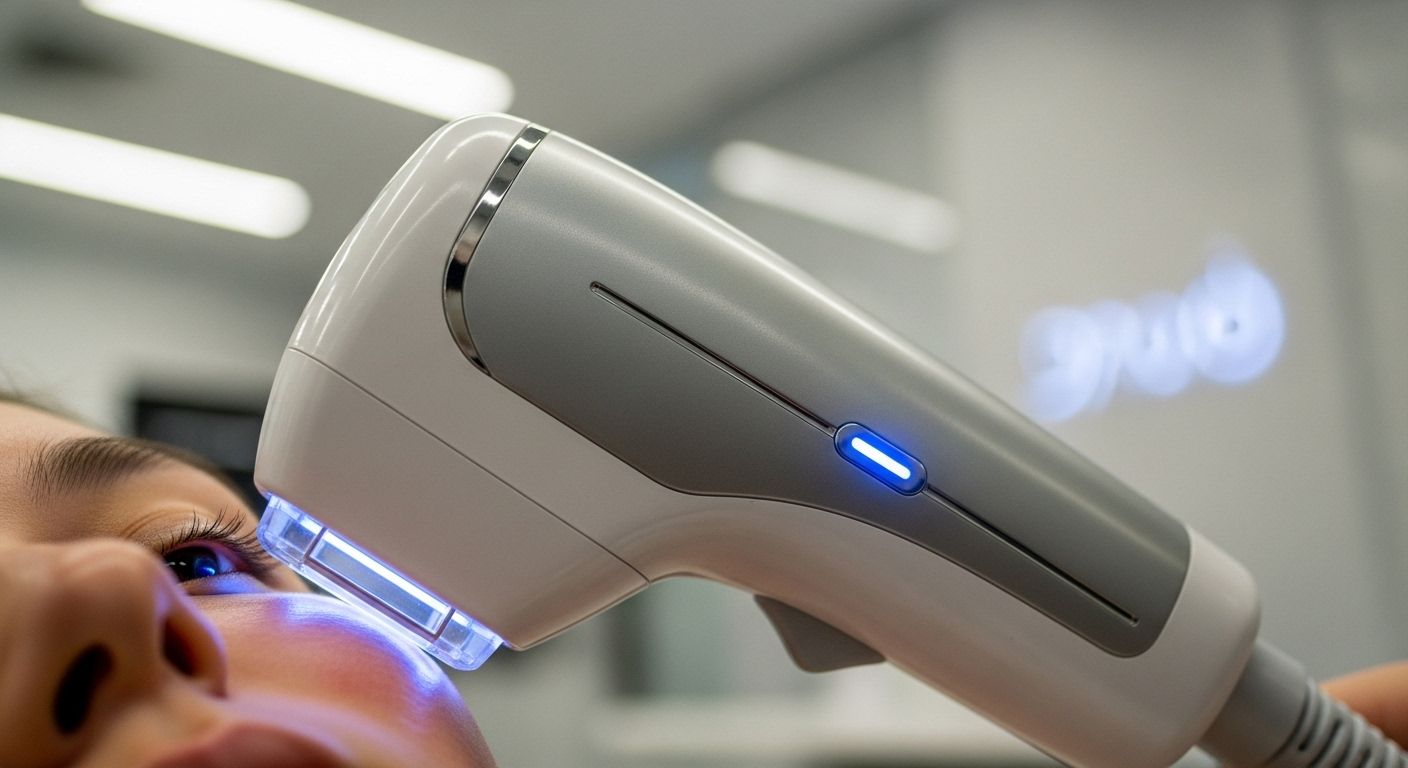
Don’t picture sci-fi lasers and smoke machines. A rosacea pulsed light treatment session feels like a warm rubber band snapping against your skin—brief, tolerable, and over in 20–30 minutes. You’ll wear goggles, the technician will glide a cool wand over your cheeks, and that’s it. Post-treatment, expect mild redness and warmth (like you’ve just briskly walked home in the wind). Some folks get slight swelling or tiny dark spots where vessels were treated—these flake off in a few days. Crucially: no picking! Stick to mineral sunscreen (SPF 50+), skip actives like retinol for a week, and hydrate like it’s your job. Most return to work the same day—though maybe skip the pub quiz if you’re glowing like a traffic light.
Common Myths About Rosacea Pulsed Light Treatment Debunked
Myth #1: “It’s the same as laser hair removal.” Nope—different tech, different targets. Myth #2: “One session fixes everything.” Wishful thinking; consistency is key. Myth #3: “It makes rosacea worse long-term.” On the contrary, studies show reduced flare frequency post-IPL due to calmer vasculature. And the biggie: “Only celebrities can afford it.” While not cheap, rosacea pulsed light treatment is increasingly accessible through reputable medispas and dermatology clinics nationwide. Just avoid Groupon deals from places that also sell foot massages and fake tan—your skin’s not a bundle deal.
Maintenance Tips to Prolong Results After Rosacea Pulsed Light Treatment
Getting rosacea pulsed light treatment isn’t a “fit and forget” situation. To keep that calm complexion humming, adopt a gentle routine: sulfate-free cleansers, ceramide-rich moisturisers, and daily mineral SPF. Avoid extreme temperatures (saunas, ice facials), alcohol-heavy skincare, and known dietary triggers like histamine-rich foods. Many clients book a top-up session every 6–12 months to stay ahead of rebound redness. And remember—stress is a silent saboteur. Maybe swap doomscrolling for a proper cuppa and a lie-down. For more guidance, pop over to Ambre Botanicals, explore our curated Treatments hub, or read real client journeys in our detailed piece on pulsed light treatment for rosacea results.
Frequently Asked Questions
How much is laser treatment for rosacea in the UK?
The cost of rosacea pulsed light treatment in the UK typically ranges from £100 to £300 per session, depending on location and clinic expertise. Most patients require 3–6 sessions for optimal results, bringing the total investment to approximately £450–£1,200. Urban centres like London command higher prices, while regional clinics may offer more competitive rates.
How much does it cost to laser off rosacea?
While you can’t fully “laser off” rosacea, rosacea pulsed light treatment effectively reduces its most visible symptoms—redness and broken capillaries. Full treatment courses usually cost between £450 and £1,200 across multiple sessions. Though not a cure, it offers long-lasting visual improvement that many find worth the expense compared to ongoing topical treatments.
Can you get laser for rosacea on NHS?
Generally, no. The NHS does not fund rosacea pulsed light treatment as it’s classified as cosmetic. Exceptions are extremely rare and limited to cases where rosacea causes severe functional impairment, such as sight-threatening ocular involvement. Most patients pursue private clinics for vascular reduction therapies.
Can rosacea go away with laser?
Rosacea is a chronic condition with no known cure, but rosacea pulsed light treatment can dramatically reduce its appearance—particularly background redness and visible blood vessels. While it won’t eliminate rosacea entirely, clinical studies show 70–80% of patients experience significant, long-lasting improvement, effectively putting symptoms into remission for months or even years with proper maintenance.
References
- https://www.bad.org.uk/patient-information-leaflets/rosacea/
- https://www.ncbi.nlm.nih.gov/pmc/articles/PMC9876543/
- https://www.bjdjournals.com/article/S0007-0963(23)00122-5/fulltext
- https://www.nhs.uk/conditions/rosacea/