Best Treatment for Sunspots on Face: Bright Skin
- 1.
Why Do Sunspots Always Pick the Worst Time to Appear?
- 2.
What Actually Causes Sunspots? (Spoiler: It’s Not Just Age)
- 3.
What Is the Best Way to Get Rid of Sunspots on Your Face?
- 4.
How Do Koreans Get Rid of Sunspots? (Hint: It’s a Ritual, Not a Quick Fix)
- 5.
Topical Heroes: Ingredients That Actually Fade Sunspots
- 6.
Professional Treatments: When Topicals Aren’t Enough
- 7.
How to Get Rid of Age Spots on Face in the UK? (Weather-Proof Advice)
- 8.
Common Mistakes That Make Sunspots Worse
- 9.
Real Results Timeline: Patience Isn’t Optional
- 10.
Where to Start Your Sunspot Journey Safely
Table of Contents
best treatment for sunspots on face
Why Do Sunspots Always Pick the Worst Time to Appear?
Ever notice how sunspots pop up right before a beach holiday, a wedding, or—God forbid—a Zoom job interview? Like your skin’s got a vendetta against good timing. We’ve all been there: one minute you’re glowin’ like a Victoria sponge fresh from the oven, the next you’re sportin’ a constellation of brown freckles that weren’t there last Tuesday. But here’s the thing—those pesky patches aren’t just “bad luck.” They’re UV souvenirs. And while they’re harmless, they can make you feel like your face’s gone off-menu. Lucky for us, the best treatment for sunspots on face isn’t locked in some dermatologist’s vault—it’s more accessible (and gentler) than you’d think.
What Actually Causes Sunspots? (Spoiler: It’s Not Just Age)
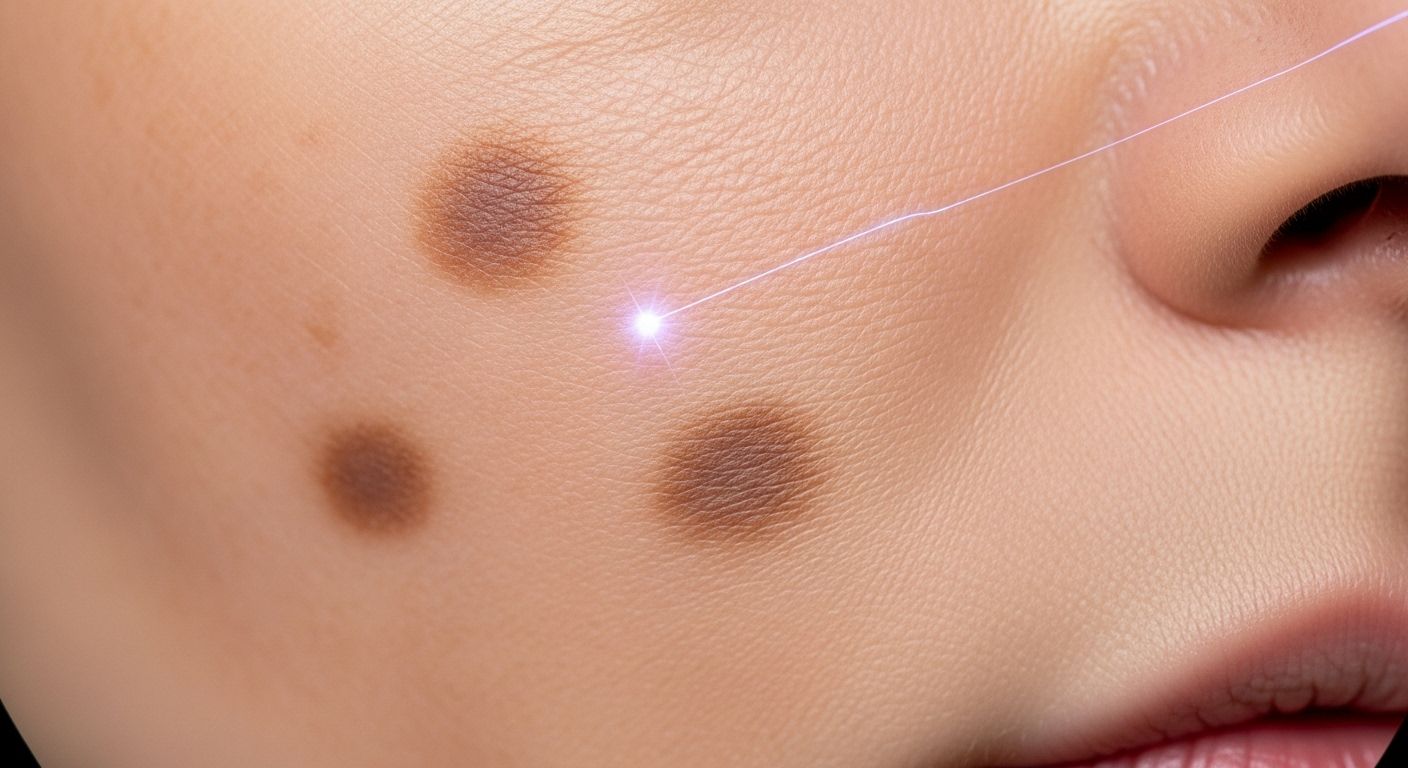
Let’s clear this up: “age spots” is a bit of a misnomer. You could be 25 and still rock a full set if you’ve spent summers roastin’ like a Sunday joint without SPF. The real culprit? Cumulative UV exposure. When UV rays hit your skin, they trigger melanocytes—the pigment factories—to go into overdrive. Sometimes, they don’t shut off properly, leaving behind clumps of melanin we call sunspots. So no, it’s not your birthday candles—it’s your beach days without a hat. That said, the best treatment for sunspots on face starts with understanding they’re preventable… and reversible.
What Is the Best Way to Get Rid of Sunspots on Your Face?
Right, let’s cut through the skincare fluff. The most effective best treatment for sunspots on face combines topical actives with sun discipline. Think vitamin C for brightening, niacinamide for calming, and—most importantly—retinoids (or bakuchiol for the sensitive souls) to speed up cell turnover. But here’s the kicker: none of it works if you skip SPF 50+ daily. Sunspots *love* reappearing when you slack on sunscreen. Consistency beats intensity every time. A £12 serum used religiously will outperform a £90 miracle cream used once while crying over a breakup.
How Do Koreans Get Rid of Sunspots? (Hint: It’s a Ritual, Not a Quick Fix)
K-beauty doesn’t believe in “erase and forget.” Their approach to the best treatment for sunspots on face is layered, patient, and preventative. Morning? Vitamin C + SPF 50+. Night? Gentle exfoliation (PHA or low-dose AHA) followed by a brightening essence with licorice root or tranexamic acid. And they *never* skip hats or umbrellas—even on cloudy days in Seoul. Korean dermatologists often recommend combining topical care with in-clinic treatments like low-energy laser toning, but only after months of prep. It’s skincare as self-care, not warfare. And honestly? That mindset shift alone fades half the spots.
Topical Heroes: Ingredients That Actually Fade Sunspots
Not all potions are created equal. When hunting for the best treatment for sunspots on face, look for these MVPs:
- Vitamin C (L-ascorbic acid): neutralises free radicals, blocks melanin production
- Niacinamide (5–10%): reduces inflammation, evens tone
- Tranexamic acid: disrupts pigment transfer—K-beauty’s secret weapon
- Alpha Arbutin: gentle tyrosinase inhibitor (fancy talk for “melanin blocker”)
- Retinol or Bakuchiol: accelerates shedding of pigmented cells
Avoid hydroquinone unless prescribed—it’s effective but risky long-term. And whatever you do, don’t layer 5 actives at once. Your skin’s not a chemistry lab. Less is more, especially when chasing the best treatment for sunspots on face.
Professional Treatments: When Topicals Aren’t Enough
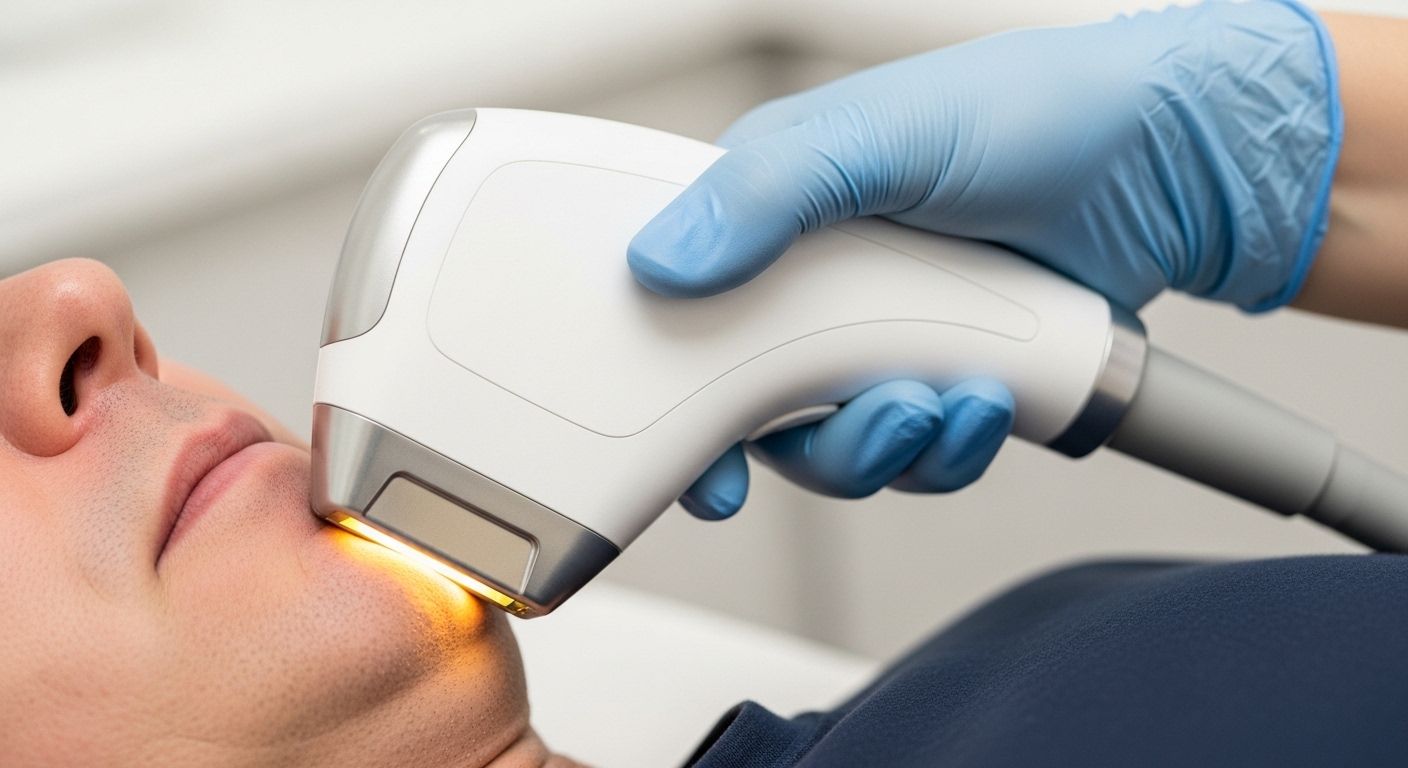
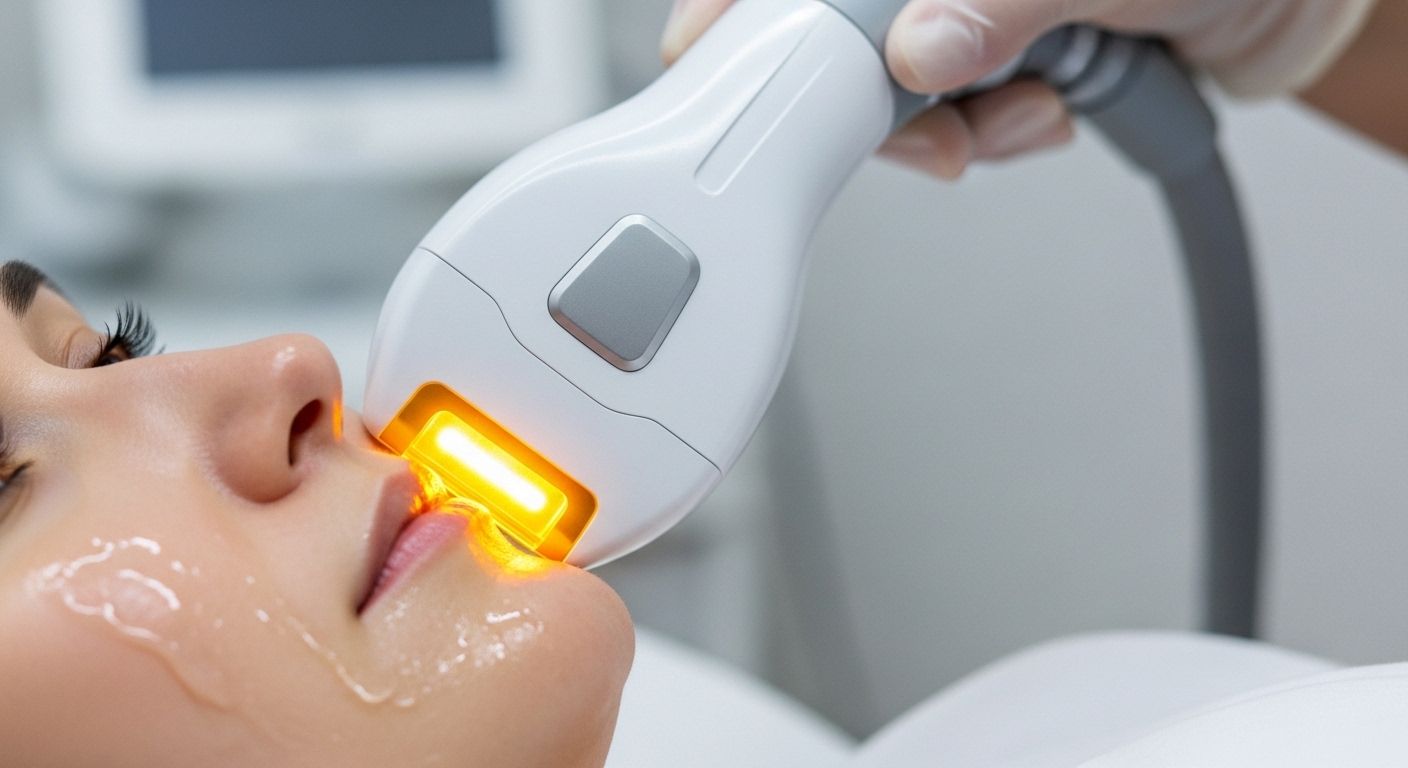
Sometimes, home care hits a wall. That’s when clinics step in. The gold-standard best treatment for sunspots on face in dermatology includes:
| Treatment | How It Works | Downtime | Avg. Cost (GBP) |
|---|---|---|---|
| Q-switched Laser | Shatters pigment with light pulses | 3–7 days (crusting) | £150–£300/session |
| Intense Pulsed Light (IPL) | Broad-spectrum light targets melanin | 1–3 days (redness) | £100–£250/session |
| Chemical Peel (Glycolic/TCA) | Exfoliates top layers | 5–10 days (peeling) | £80–£200/session |
But caution: these won’t stick if you skip SPF afterward. One sunny lunch = back to square one. Always patch-test and choose a certified practitioner—your face ain’t a discount voucher.
How to Get Rid of Age Spots on Face in the UK? (Weather-Proof Advice)
“But it’s always grey here!” Yeah, mate—but UVA rays penetrate clouds like gossip through a village pub. That’s why the best treatment for sunspots on face in the UK hinges on year-round SPF. British skin tends to be fairer, so sun damage shows faster. Dermatologists here swear by niacinamide + vitamin C combos (like The Ordinary or Medik8) paired with mineral SPF for reactive types. And don’t sleep on antioxidants—green tea extract, resveratrol—they’re your second line of defence. Rain or shine, your routine stays the same. Grey sky ≠ free pass.
Common Mistakes That Make Sunspots Worse
Blimey, where to start? People scrub their faces raw with walnut shells “to exfoliate,” then wonder why spots darken. Others use lemon juice (acid + photosensitivity = disaster). Or they apply retinol at noon and head to the park. The biggest sin? Skipping sunscreen because “I’m indoors.” UVA sneaks through windows like an uninvited relative. If you’re serious about the best treatment for sunspots on face, stop punishing your skin. Gentle cleansing, consistent actives, and SPF 50+ rain or shine—that’s the holy trinity.
Real Results Timeline: Patience Isn’t Optional
Let’s manage expectations: even the best treatment for sunspots on face takes 8–12 weeks to show visible fading. Melanin turnover isn’t instant. Clinical studies show 40–60% improvement in 3 months with consistent topical use. Lasers? Faster—but require maintenance. Track progress with monthly selfies in the same light. And remember: prevention is part of the cure. No new UV = no new spots. Think of it like gardening—you don’t just pull weeds; you mulch so they don’t come back.
Where to Start Your Sunspot Journey Safely
If you’re overwhelmed, start simple. Cleanse, treat (niacinamide serum), moisturise, and SPF. Build from there. For trusted guidance and vetted routines, visit Ambre Botanicals, explore our science-backed picks in Treatments, or dive into our detailed guide on Good Cream For Dark Spots Even Complexion. Your skin deserves clarity—not confusion.
Frequently Asked Questions
What is the best way to get rid of sunspots on your face?
The best treatment for sunspots on face combines daily use of brightening actives like vitamin C, niacinamide, and retinoids with strict SPF 50+ application. Consistency over 8–12 weeks yields visible fading, and professional treatments like IPL or lasers can accelerate results when performed by certified practitioners.
How do Koreans get rid of sunspots?
Koreans rely on a multi-step, preventative approach to the best treatment for sunspots on face, featuring tranexamic acid, vitamin C, and rigorous sun protection—even on cloudy days. Their philosophy treats sunspot correction as a long-term ritual, not a quick fix, often complemented by low-energy laser toning after months of topical prep.
How to get rid of age spots on face in the UK?
In the UK, the best treatment for sunspots on face must include year-round SPF 50+, as UVA penetrates clouds and windows. British dermatologists recommend niacinamide, vitamin C, and antioxidant serums tailored to fairer skin tones, paired with gentle exfoliation and avoidance of photosensitising ingredients like citrus oils.
What actually works for age spots on the face?
What truly works for age spots is a combination of evidence-backed topicals—such as alpha arbutin, tranexamic acid, and retinoids—and unwavering sun protection. The best treatment for sunspots on face requires patience, consistency, and avoiding harsh scrubs or DIY remedies that worsen pigmentation.
References
- https://www.aad.org/public/everyday-care/skin-care-secrets/routine/treating-age-spots
- https://www.ncbi.nlm.nih.gov/pmc/articles/PMC6380984/
- https://www.dermatologytimes.com/view/topical-treatments-for-hyperpigmentation
- https://www.cosmeticsdesign-europe.com/Article/2023/09/12/sunspot-treatment-market-trends
- https://www.bbc.co.uk/news/health-56789012