Oatmeal Bath for Rash Relief Now
- 1.
Ever Felt Like Your Skin’s Throwing a Tantrum? Time for a Soak, Love.
- 2.
Why Oats? The Humble Grain That Calms Chaos
- 3.
Colloidal vs. Kitchen Oats: What’s the Diff?
- 4.
How to Brew the Perfect Oatmeal Bath (No Barista Skills Needed)
- 5.
What to Expect: Realistic Results, Not Magic
- 6.
To Rinse or Not to Rinse? That Is the Question
- 7.
When Oats Aren’t Enough (Red Flags to Watch)
- 8.
Myths That Keep You Scratching
- 9.
Pairing Oats with Other Soothers (The Dream Team)
- 10.
Making Oat Therapy Part of Your Wellness Ritual
- 11.
Ever Felt Like Your Skin’s Throwing a Tantrum? Time for a Soak, Love.
- 12.
Why Oats? The Humble Grain That Calms Chaos
- 13.
Colloidal vs. Kitchen Oats: What’s the Diff?
- 14.
How to Brew the Perfect Oatmeal Bath (No Barista Skills Needed)
- 15.
What to Expect: Realistic Results, Not Magic
- 16.
To Rinse or Not to Rinse? That Is the Question
- 17.
When Oats Aren’t Enough (Red Flags to Watch)
- 18.
Myths That Keep You Scratching
- 19.
Pairing Oats with Other Soothers (The Dream Team)
- 20.
Making Oat Therapy Part of Your Wellness Ritual
Table of Contents
oatmeal bath for rash
Ever Felt Like Your Skin’s Throwing a Tantrum? Time for a Soak, Love.
If your skin’s gone full red-alert—itchy, blotchy, and about as comfortable as a wool jumper in July—you’re not alone. Rashes come in all shapes: from eczema flare-ups to poison ivy souvenirs, heat bumps after a festival, or that mysterious patch that appeared after trying a new laundry detergent. And while you could slather on steroid creams or pop antihistamines like sweets, there’s something beautifully old-school (and surprisingly clever) about sinking into a warm, milky tub of colloidal oatmeal. Yes, really—oatmeal bath for rash isn’t just nan’s folklore; it’s backed by science, dermatologists, and centuries of folk wisdom. Plus, it smells like comfort in a bowl. So put the kettle on, grab your favourite towel, and let’s talk oats.
Why Oats? The Humble Grain That Calms Chaos
Don’t let its breakfast-table modesty fool you—oats are skincare royalty. Specifically, *Avena sativa* contains avenanthramides, powerful anti-inflammatory compounds that soothe irritation at the molecular level. It also boasts saponins (natural cleansers), beta-glucan (a moisture magnet), and starches that form a protective film over angry skin. When ground finely into colloidal oatmeal, it disperses evenly in water, creating a silky emulsion that coats, cools, and calms. The FDA even recognises colloidal oatmeal as a skin protectant—an official nod to its legit status in the world of oatmeal bath for rash relief. So no, it’s not just mush—it’s medicine in disguise.
Colloidal vs. Kitchen Oats: What’s the Diff?
Here’s where folks get tripped up. Can you chuck Quaker oats straight into the tub? Technically, yes—but it’s not ideal. Regular rolled or quick oats don’t dissolve; they’ll just float around like soggy confetti and clog your plughole (good luck explaining that to your landlord). True oatmeal bath for rash magic happens with *colloidal oatmeal*—ultra-finely milled oats that suspend in water like milk. If you’re DIY-ing, blitz plain, unflavoured oats in a blender or food processor until powdery (think flour, not breadcrumbs). But fair warning: homemade versions can be gritty. For consistent results—and zero plumbing nightmares—opt for pharmacy-grade colloidal oatmeal (around £5–£8 for 200g). Your skin (and your U-bend) will thank you.
How to Brew the Perfect Oatmeal Bath (No Barista Skills Needed)
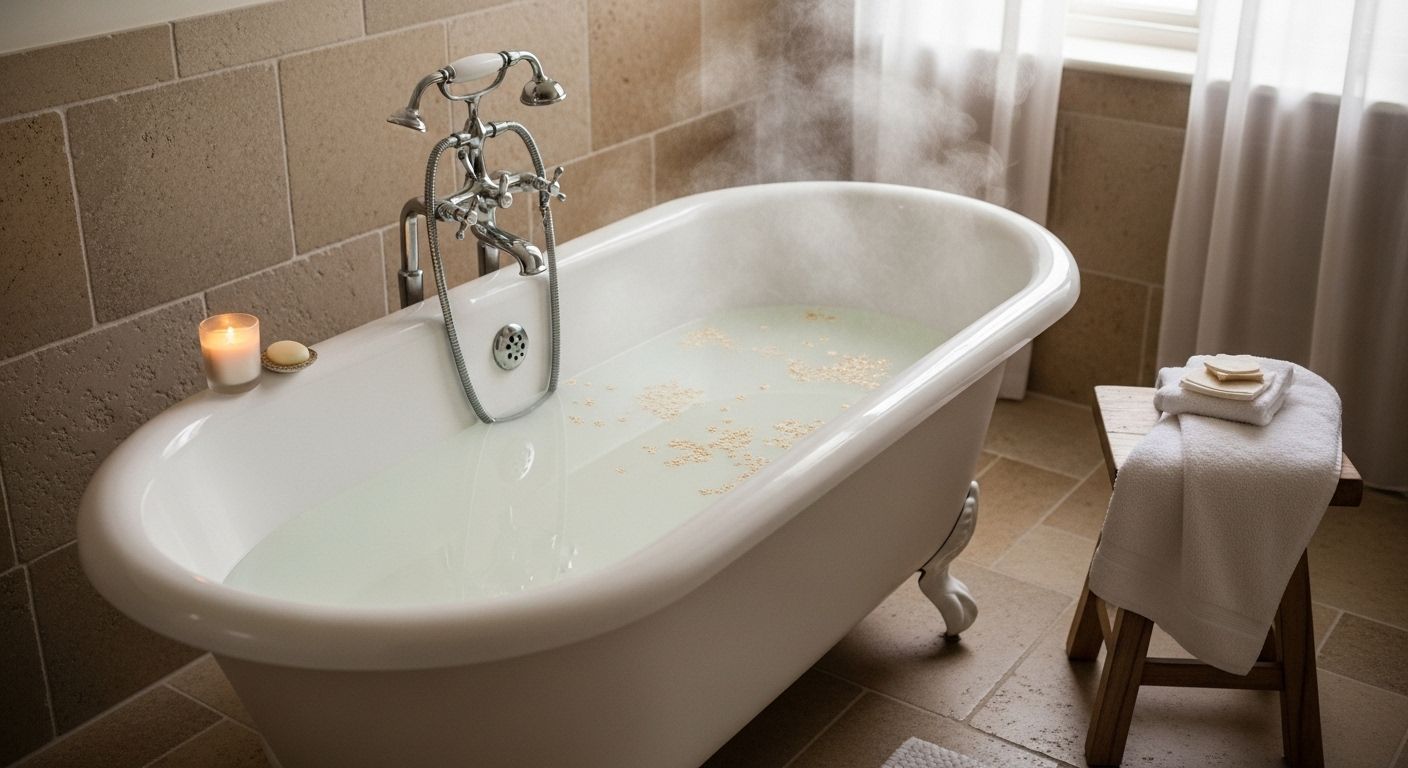
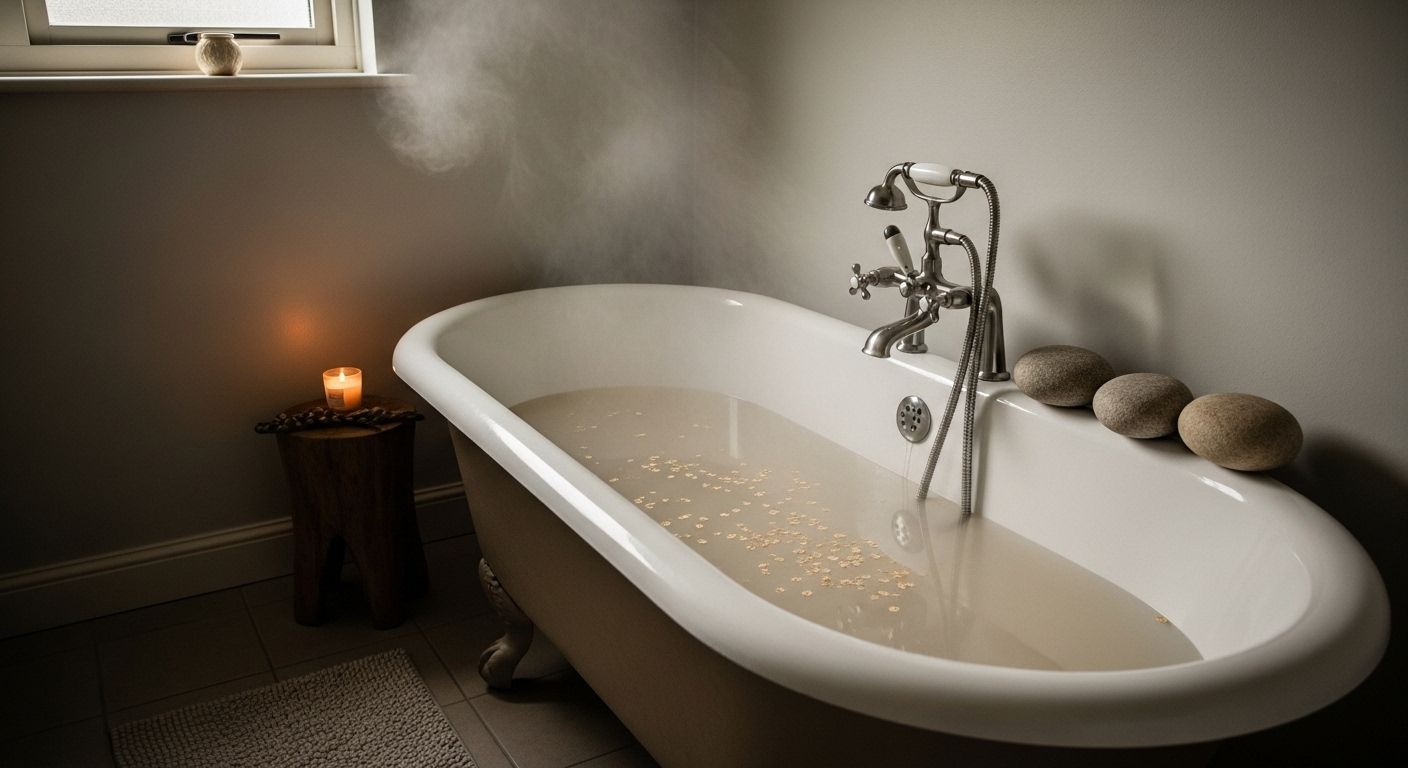
Making an effective oatmeal bath for rash is dead simple—no Michelin stars required. Fill your tub with lukewarm (not hot!) water—heat worsens inflammation. Add 1 cup of colloidal oatmeal (or your DIY powder) under running water to help it disperse. Swirl it ‘round with your hand like you’re stirring a cauldron of calm. Soak for 10–15 minutes—any longer, and you risk drying out your skin. Gently pat dry (don’t rub!), and while skin’s still damp, seal in moisture with a fragrance-free moisturiser. Pro tip: skip bubbles, salts, or essential oils—they’ll only irritate further. This is about peace, not perfume.
What to Expect: Realistic Results, Not Magic
Let’s manage expectations: an oatmeal bath for rash won’t banish hives overnight or cure fungal infections. But it *will* dial down itching, reduce redness, and create a temporary barrier against scratching—the main culprit behind worsening rashes. Think of it as a reset button for your skin’s nervous system. You’ll likely feel immediate cooling relief, with visible calming within 24 hours if used consistently. For chronic conditions like eczema, weekly soaks can be part of long-term management. Just remember: it’s a soother, not a cure-all. Pair it with proper diagnosis and treatment for best results.
To Rinse or Not to Rinse? That Is the Question
Ah, the great post-soak debate. Do you have to rinse off after an oatmeal bath for rash? Short answer: no—but it depends. If your skin feels sticky or you’ve got open weeping areas, a quick lukewarm rinse can prevent residue buildup. But if it feels smooth and calm, skip it. The leftover oat film continues to protect and hydrate. Just gently pat dry and moisturise immediately. Whatever you do, avoid harsh towels or loofahs—your skin’s already vulnerable. Treat it like a newborn kitten: soft hands only.
When Oats Aren’t Enough (Red Flags to Watch)
Oatmeal baths are brilliant for mild to moderate irritation—but they’re not a substitute for medical care. If your rash is spreading rapidly, blistering, oozing pus, accompanied by fever, or doesn’t improve after 3–4 soaks, see a GP or dermatologist. Conditions like impetigo, cellulitis, or severe allergic reactions need prescription intervention. Also, if you’ve got coeliac disease or oat sensitivity (rare but possible), patch-test first. Don’t assume every itch is “just a rash”—sometimes, it’s your body waving a red flag.
Myths That Keep You Scratching
Let’s bust some bollocks. Myth one: “Any oats will do.” Flavoured, instant, or sugary oats contain additives that irritate skin—stick to plain, unadulterated oats. Myth two: “Hot water helps.” Nope—it strips natural oils and worsens inflammation. Myth three: “More is better.” Over-soaking dries skin out. Stick to 10–15 minutes, 2–3 times a week max. And myth four: “Oatmeal cures everything.” It soothes—but doesn’t replace antifungals, antibiotics, or antivirals when needed. Knowing the limits of oatmeal bath for rash keeps you safe and sane.
Pairing Oats with Other Soothers (The Dream Team)
For extra relief, combine your oatmeal bath for rash with other gentle allies. Add a tablespoon of baking soda (sodium bicarbonate) to amplify itch relief—but only if your skin isn’t broken. Or toss in a few drops of chamomile tea (cooled) for added anti-inflammatory punch. Avoid vinegar, lemon, or essential oils—they disrupt pH and sting. After your soak, layer on ceramide-rich creams or shea butter to lock in hydration. This holistic approach turns a simple bath into a full-on skin sanctuary.
Making Oat Therapy Part of Your Wellness Ritual
True skin healing isn’t just about crisis management—it’s about rhythm. Keep colloidal oatmeal in your bathroom cupboard If your skin’s gone full red-alert—itchy, blotchy, and about as comfortable as a wool jumper in July—you’re not alone. Rashes come in all shapes: from eczema flare-ups to poison ivy souvenirs, heat bumps after a festival, or that mysterious patch that appeared after trying a new laundry detergent. And while you could slather on steroid creams or pop antihistamines like sweets, there’s something beautifully old-school (and surprisingly clever) about sinking into a warm, milky tub of colloidal oatmeal. Yes, really—oatmeal bath for rash isn’t just nan’s folklore; it’s backed by science, dermatologists, and centuries of folk wisdom. Plus, it smells like comfort in a bowl. So put the kettle on, grab your favourite towel, and let’s talk oats. Don’t let its breakfast-table modesty fool you—oats are skincare royalty. Specifically, *Avena sativa* contains avenanthramides, powerful anti-inflammatory compounds that soothe irritation at the molecular level. It also boasts saponins (natural cleansers), beta-glucan (a moisture magnet), and starches that form a protective film over angry skin. When ground finely into colloidal oatmeal, it disperses evenly in water, creating a silky emulsion that coats, cools, and calms. The FDA even recognises colloidal oatmeal as a skin protectant—an official nod to its legit status in the world of oatmeal bath for rash relief. So no, it’s not just mush—it’s medicine in disguise. Here’s where folks get tripped up. Can you chuck Quaker oats straight into the tub? Technically, yes—but it’s not ideal. Regular rolled or quick oats don’t dissolve; they’ll just float around like soggy confetti and clog your plughole (good luck explaining that to your landlord). True oatmeal bath for rash magic happens with *colloidal oatmeal*—ultra-finely milled oats that suspend in water like milk. If you’re DIY-ing, blitz plain, unflavoured oats in a blender or food processor until powdery (think flour, not breadcrumbs). But fair warning: homemade versions can be gritty. For consistent results—and zero plumbing nightmares—opt for pharmacy-grade colloidal oatmeal (around £5–£8 for 200g). Your skin (and your U-bend) will thank you. Making an effective oatmeal bath for rash is dead simple—no Michelin stars required. Fill your tub with lukewarm (not hot!) water—heat worsens inflammation. Add 1 cup of colloidal oatmeal (or your DIY powder) under running water to help it disperse. Swirl it ‘round with your hand like you’re stirring a cauldron of calm. Soak for 10–15 minutes—any longer, and you risk drying out your skin. Gently pat dry (don’t rub!), and while skin’s still damp, seal in moisture with a fragrance-free moisturiser. Pro tip: skip bubbles, salts, or essential oils—they’ll only irritate further. This is about peace, not perfume. Let’s manage expectations: an oatmeal bath for rash won’t banish hives overnight or cure fungal infections. But it *will* dial down itching, reduce redness, and create a temporary barrier against scratching—the main culprit behind worsening rashes. Think of it as a reset button for your skin’s nervous system. You’ll likely feel immediate cooling relief, with visible calming within 24 hours if used consistently. For chronic conditions like eczema, weekly soaks can be part of long-term management. Just remember: it’s a soother, not a cure-all. Pair it with proper diagnosis and treatment for best results. Ah, the great post-soak debate. Do you have to rinse off after an oatmeal bath for rash? Short answer: no—but it depends. If your skin feels sticky or you’ve got open weeping areas, a quick lukewarm rinse can prevent residue buildup. But if it feels smooth and calm, skip it. The leftover oat film continues to protect and hydrate. Just gently pat dry and moisturise immediately. Whatever you do, avoid harsh towels or loofahs—your skin’s already vulnerable. Treat it like a newborn kitten: soft hands only. Oatmeal baths are brilliant for mild to moderate irritation—but they’re not a substitute for medical care. If your rash is spreading rapidly, blistering, oozing pus, accompanied by fever, or doesn’t improve after 3–4 soaks, see a GP or dermatologist. Conditions like impetigo, cellulitis, or severe allergic reactions need prescription intervention. Also, if you’ve got coeliac disease or oat sensitivity (rare but possible), patch-test first. Don’t assume every itch is “just a rash”—sometimes, it’s your body waving a red flag. Let’s bust some bollocks. Myth one: “Any oats will do.” Flavoured, instant, or sugary oats contain additives that irritate skin—stick to plain, unadulterated oats. Myth two: “Hot water helps.” Nope—it strips natural oils and worsens inflammation. Myth three: “More is better.” Over-soaking dries skin out. Stick to 10–15 minutes, 2–3 times a week max. And myth four: “Oatmeal cures everything.” It soothes—but doesn’t replace antifungals, antibiotics, or antivirals when needed. Knowing the limits of oatmeal bath for rash keeps you safe and sane. For extra relief, combine your oatmeal bath for rash with other gentle allies. Add a tablespoon of baking soda (sodium bicarbonate) to amplify itch relief—but only if your skin isn’t broken. Or toss in a few drops of chamomile tea (cooled) for added anti-inflammatory punch. Avoid vinegar, lemon, or essential oils—they disrupt pH and sting. After your soak, layer on ceramide-rich creams or shea butter to lock in hydration. This holistic approach turns a simple bath into a full-on skin sanctuary. True skin healing isn’t just about crisis management—it’s about rhythm. Keep colloidal oatmeal in your bathroom cupboard like you would paracetamol. Use it preventatively during high-stress seasons, after gardening (hello, plant rashes!), or post-swim in chlorinated pools. Teach the kids early—it’s safe for little ones too (just supervise the tub!). For more soothing solutions, visit our homepage at Ambre Botanicals, explore our gentle formulations in Treatments, or dive into our guide on plant-powered care: Natural Antifungal For Skin Solutions. Because sometimes, the oldest remedies are the wisest—and an oatmeal bath for rash is proof that nature’s pantry holds more than just breakfast. To make an oatmeal bath, grind plain, unflavoured oats into a fine powder (or use store-bought colloidal oatmeal). Add 1 cup to a tub of lukewarm running water, swirl to disperse, and soak for 10–15 minutes. Pat dry gently and moisturise. This simple method offers effective, soothing relief as part of your oatmeal bath for rash routine. Yes, you can use plain Quaker oats (unsweetened, unflavoured) for an oatmeal bath for rash, but only if finely ground into a powder using a blender or food processor. Avoid instant or flavoured varieties—they contain additives that may irritate sensitive skin. For best results and plumbing safety, colloidal oatmeal is preferred. No, you don’t have to rinse off after an oatmeal bath for rash unless your skin feels sticky or you have open, weeping areas. The residual oat film continues to protect and soothe. Simply pat dry gently and apply a fragrance-free moisturiser while skin is still damp to lock in hydration. The best soak for rashes is a colloidal oatmeal bath. Backed by dermatologists and the FDA, it reduces itching, inflammation, and irritation through natural compounds like avenanthramides and beta-glucan. Lukewarm water and 10–15 minutes of soaking provide optimal relief in any oatmeal bath for rash regimen.oatmeal bath for rash
Ever Felt Like Your Skin’s Throwing a Tantrum? Time for a Soak, Love.
Why Oats? The Humble Grain That Calms Chaos
Colloidal vs. Kitchen Oats: What’s the Diff?
How to Brew the Perfect Oatmeal Bath (No Barista Skills Needed)
What to Expect: Realistic Results, Not Magic
To Rinse or Not to Rinse? That Is the Question
When Oats Aren’t Enough (Red Flags to Watch)
Myths That Keep You Scratching
Pairing Oats with Other Soothers (The Dream Team)
Making Oat Therapy Part of Your Wellness Ritual
Frequently Asked Questions
How do I make an oatmeal bath?
Can I use Quaker oats for an oatmeal bath?
Do you have to rinse off after an oatmeal bath?
What is the best soak for rashes?
References