Best Exfoliator for Ingrown Hairs on Legs: Smooth Skin
- 1.
Why Ingrown Hairs Keep Gatecrashing Your Smooth-Leg Party
- 2.
What Makes a Proper Exfoliator Tick for Leg Troubles
- 3.
How Often Should You Actually Exfoliate Those Pins?
- 4.
DIY vs. Store-Bought: Which Route Gives Better Results?
- 5.
Top Shelf Picks That Actually Deliver the Goods
- 6.
The Role of Moisturising After Exfoliation (Don’t Skip This!)
- 7.
Shaving Habits That Secretly Sabotage Your Efforts
- 8.
When to Call in the Pros (Derm Talk, Not Mates)
- 9.
Myths About Ingrown Hairs That Need to Die Already
- 10.
Building a Full Routine That Keeps Legs Looking Fresh
Table of Contents
best exfoliator for ingrown hairs on legs
Why Ingrown Hairs Keep Gatecrashing Your Smooth-Leg Party
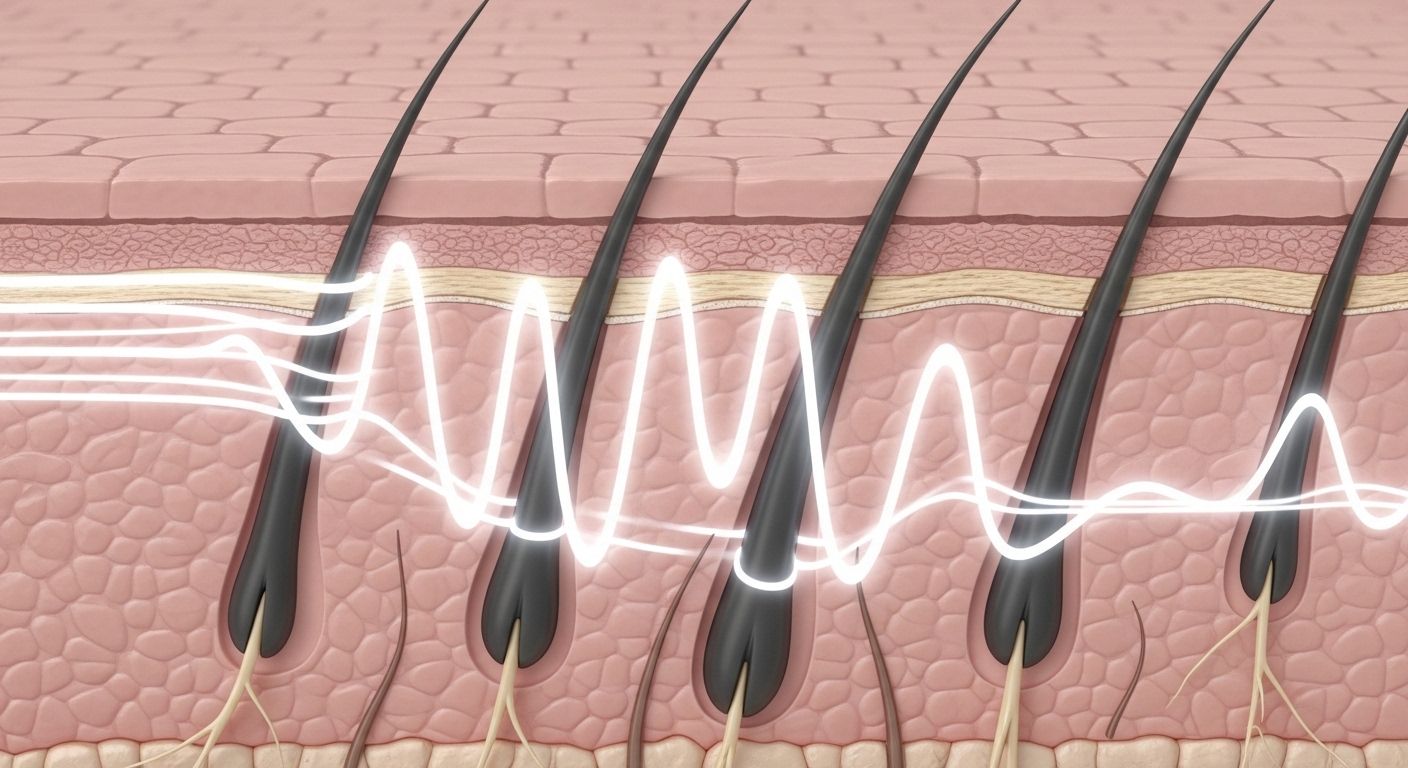
Ever shaved your pins only to find a tiny, angry bump throwing a rave under your skin a few days later? Yeah, we’ve all been there—those pesky ingrown hairs love to sneak back in like uninvited mates after a pub crawl. The best exfoliator for ingrown hairs on legs isn’t just about scrubbing hard; it’s about coaxing those trapped follicles out without causing a full-blown skin mutiny. Truth be told, most of us treat our legs like an afterthought—quick shave, splash of cold water, done. But if you’re serious about dodging those red, itchy intruders, you’ve got to rethink your whole routine. Dermatologists reckon that consistent exfoliation is the golden ticket, and honestly? We’re inclined to agree. Without regular sloughing off dead skin cells, hair follicles get buried alive—and that’s when the trouble starts.
What Makes a Proper Exfoliator Tick for Leg Troubles
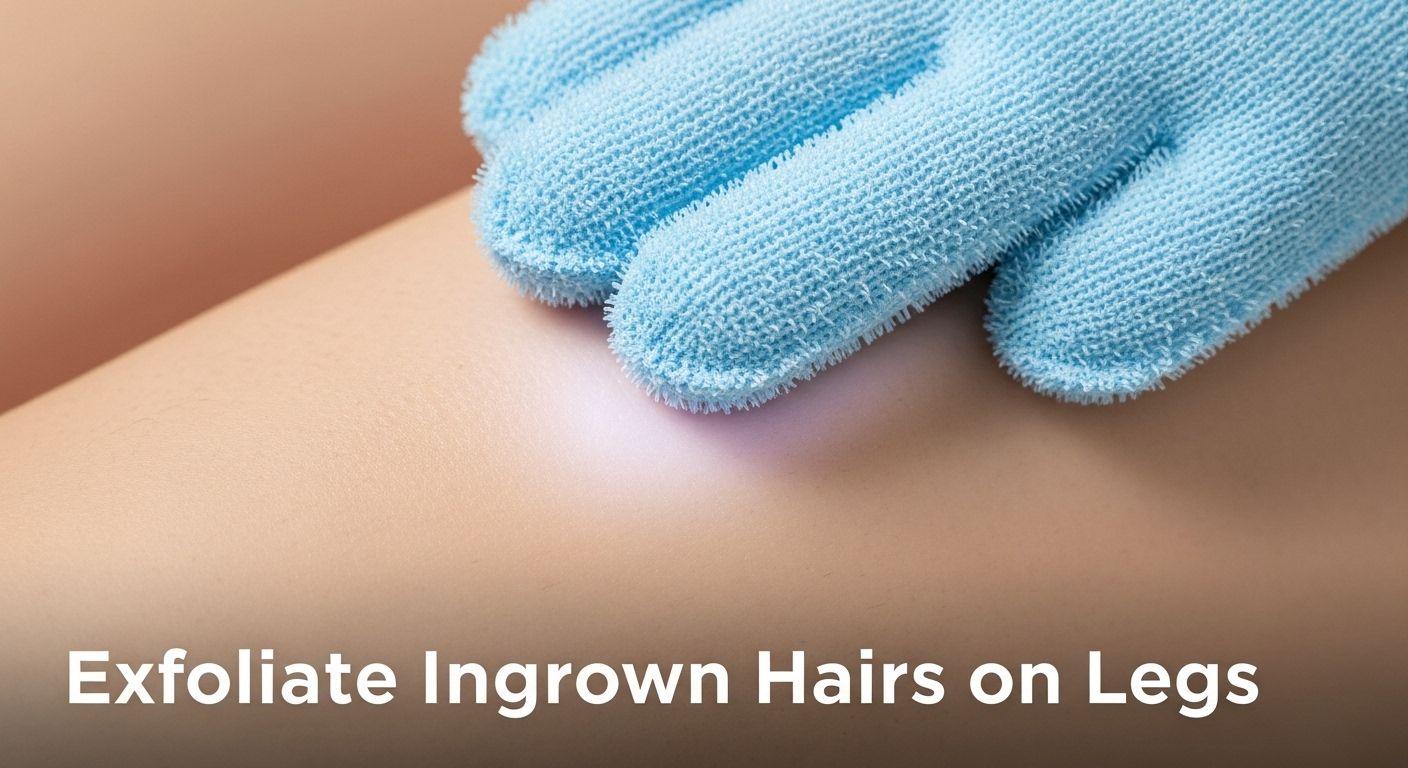
Not all scrubs are created equal, mate. Some are about as gentle as a rugby tackle in a china shop. When hunting for the best exfoliator for ingrown hairs on legs, you want something that balances grit with grace. Think finely milled jojoba beads, lactic acid, or even salicylic acid—ingredients that dissolve gunk without shredding your epidermis. Physical exfoliants can work wonders if they’re not too abrasive, but chemical exfoliators? They’re the quiet heroes here, slipping beneath the surface to loosen bonds between dead cells. And don’t get us started on pH levels—your skin’s natural barrier thrives around 5.5, so anything wildly alkaline is basically shouting at your pores. A proper exfoliator should feel like a soft whisper, not a bark.
How Often Should You Actually Exfoliate Those Pins?
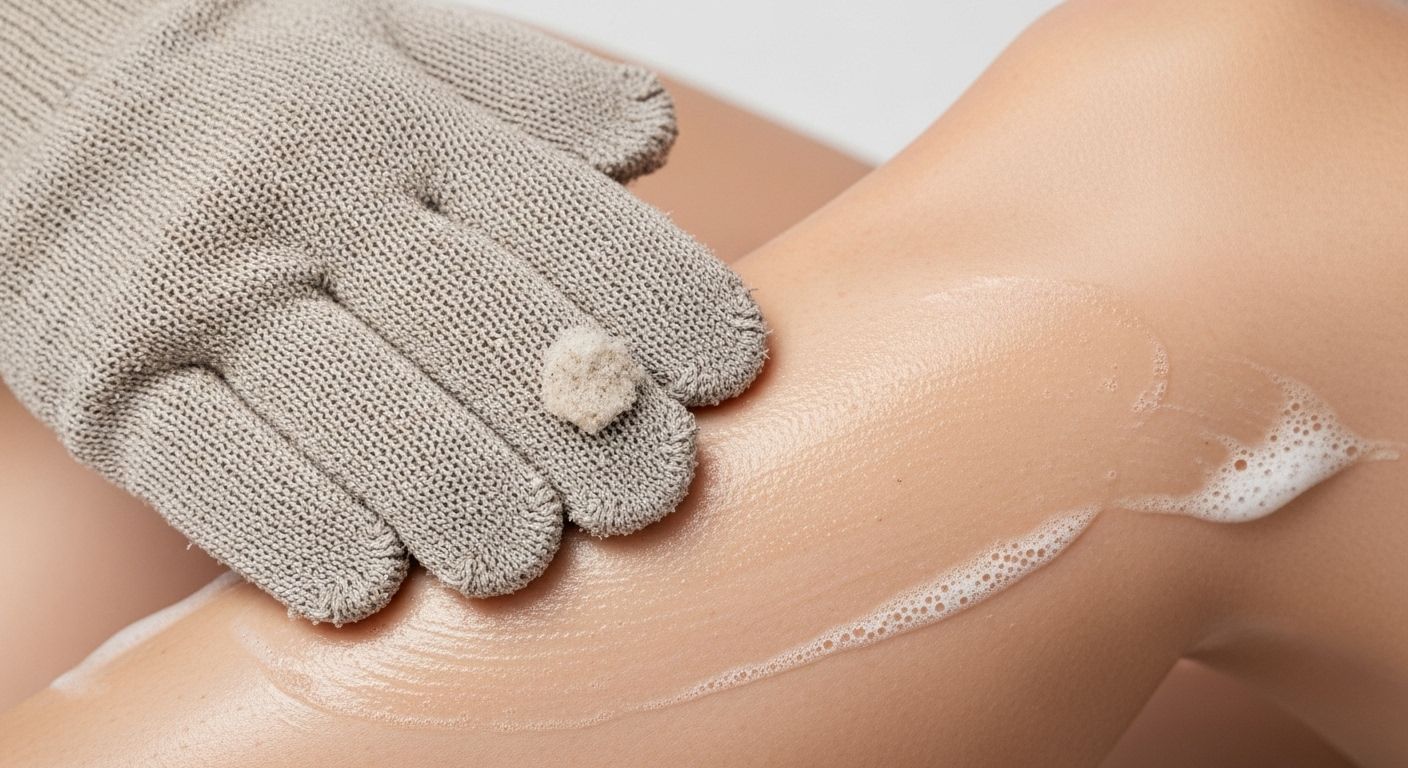
Overdoing it’s just as bad as ignoring it altogether. If you’re scrubbing your legs raw every other day like you’re prepping them for a wax museum, you’re asking for irritation—and ironically, more ingrowns. Most skin gurus suggest 2–3 times a week max for the best exfoliator for ingrown hairs on legs, especially if you’re using actives like AHAs or BHAs. Listen to your skin: if it’s stinging, flaking, or looking like it’s had a rough night out, dial it back. Consistency beats intensity every time. Think of it like tending a garden—you wouldn’t yank weeds daily, would ya? Gentle, steady care yields the smoothest results.
DIY vs. Store-Bought: Which Route Gives Better Results?
There’s a certain charm in whipping up a sugar-and-coconut-oil scrub in your kitchen, innit? Feels wholesome, cheap, and kinda witchy. But here’s the rub: homemade mixes rarely offer the precision needed to tackle stubborn ingrowns. Sugar granules can be jagged, oils might clog pores, and without preservatives, your concoction could go off faster than milk in a heatwave. On the flip side, lab-formulated products designed as the best exfoliator for ingrown hairs on legs come calibrated—pH-balanced, non-comedogenic, and often packed with anti-inflammatory extras like tea tree or niacinamide. That said, if you’re dead set on DIY, stick to ultra-fine sea salt, mix with a light oil like grapeseed, and never store it longer than a week. Still, for reliability? We’d bet our last quid on the pros.
Top Shelf Picks That Actually Deliver the Goods
Right then—let’s cut to the chase. After testing more tubs than we care to admit (and enduring enough leg stings to qualify as masochists), a few standouts emerged as the undisputed best exfoliator for ingrown hairs on legs. Here’s a quick rundown:
| Product | Key Ingredients | Price (GBP) | Best For |
|---|---|---|---|
| Purely Smooth Ingrown Hair Treatment | Salicylic Acid, Tea Tree Oil | £18.99 | Sensitive skin types |
| Tend Skin Solution | Aspirin-derived acids, Alcohol | £22.50 | Stubborn bumps post-shave |
| Ambre Botanicals Renewal Scrub | Jojoba Beads, Lactic Acid, Chamomile | £24.00 | Daily maintenance & prevention |
Notice how none of these rely on walnut shells or apricot pits? Good. Those are basically microscopic shards doing more harm than good. Instead, look for rounded particles or liquid formulas that melt away debris without micro-tears. And yes, while £24 might seem steep for a pot of goo, consider it an investment—smoother legs mean fewer emergency cover-ups before beach days or shorts season.
The Role of Moisturising After Exfoliation (Don’t Skip This!)
Here’s a plot twist: exfoliating without moisturising is like mopping the floor but leaving the bucket full of dirty water. You’ve cleared the path, but now what? Dry skin = tighter surface = higher chance of hairs curling back inward. So slap on a lightweight, non-greasy lotion post-scrub—something with ceramides, hyaluronic acid, or glycerin. These humectants pull moisture into the skin, keeping it supple enough for hairs to poke through cleanly. And for the love of all that’s smooth, avoid heavy petrolatum-based creams right after exfoliating—they’ll seal in actives and cause more congestion. The best exfoliator for ingrown hairs on legs only works if you follow through with hydration. It’s teamwork, innit?
Shaving Habits That Secretly Sabotage Your Efforts
Let’s be real—sometimes the problem ain’t the product, it’s the technique. Dragging a blunt razor against dry skin? Shaving against the grain like you’re trying to win a race? Using foamy gels that vanish faster than your resolve on a Monday morning? All of these feed directly into the ingrown hair cycle. To maximise the benefits of your best exfoliator for ingrown hairs on legs, prep properly: shower first, use a sharp blade, always shave *with* the grain, and rinse with cool water to close pores. Bonus tip: replace your razor every 5–7 shaves. That rusty old thing is basically dragging bacteria across your legs like a dirty mop.
When to Call in the Pros (Derm Talk, Not Mates)
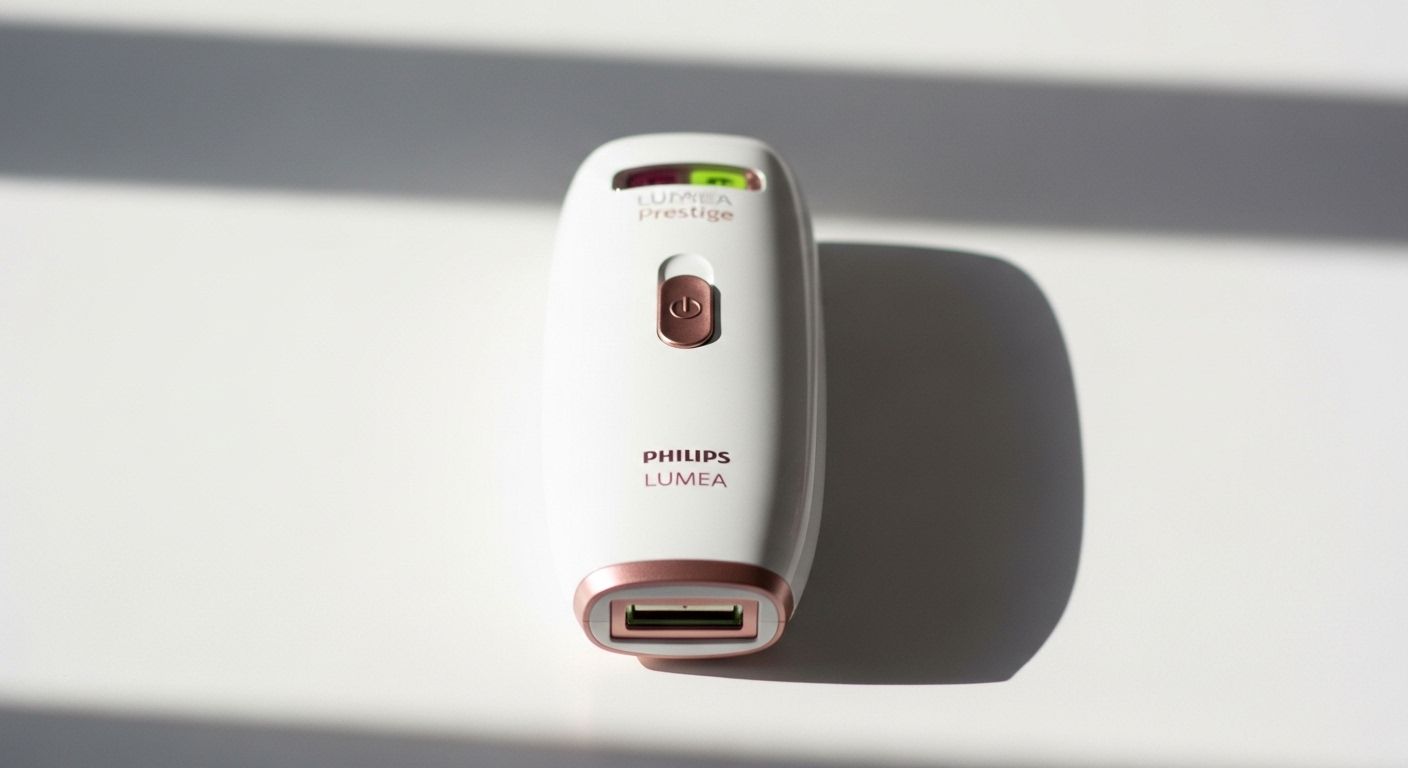
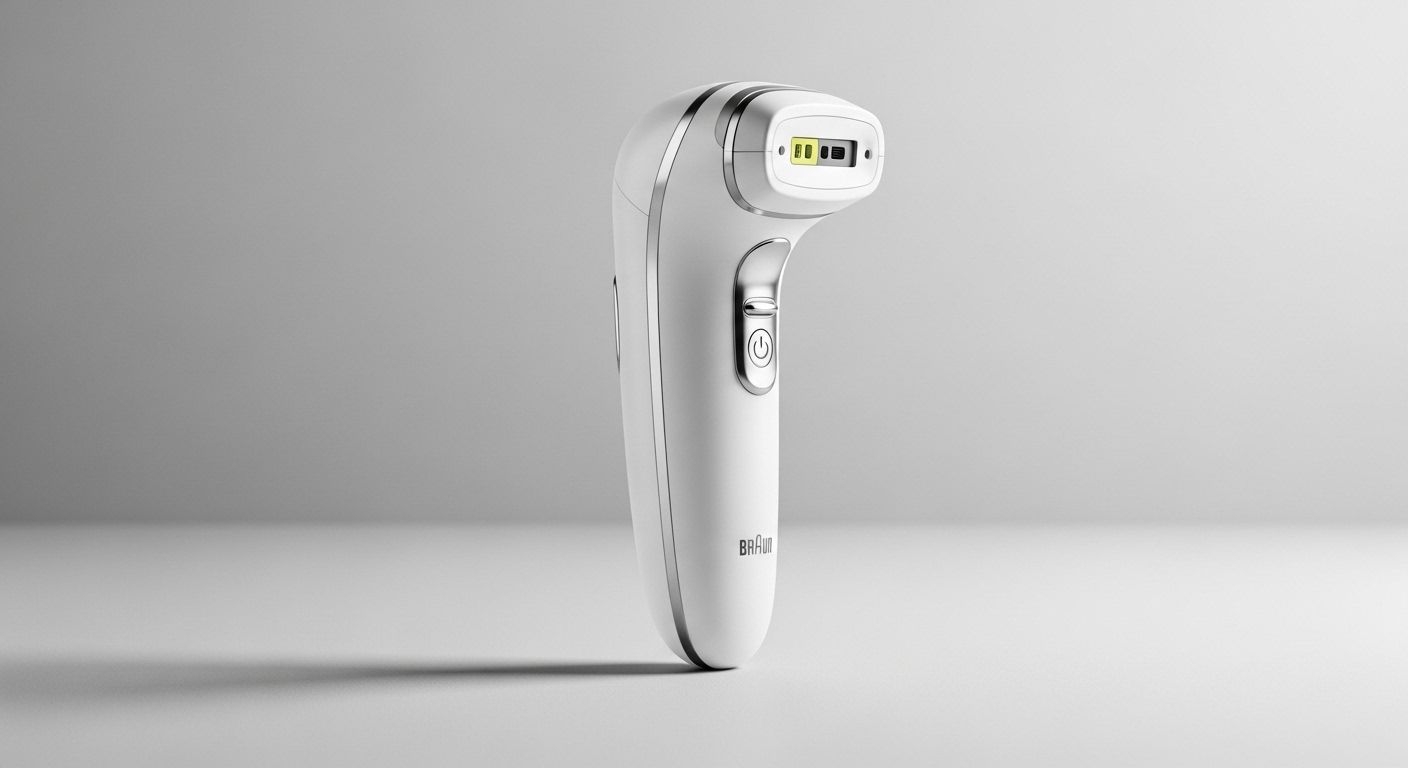
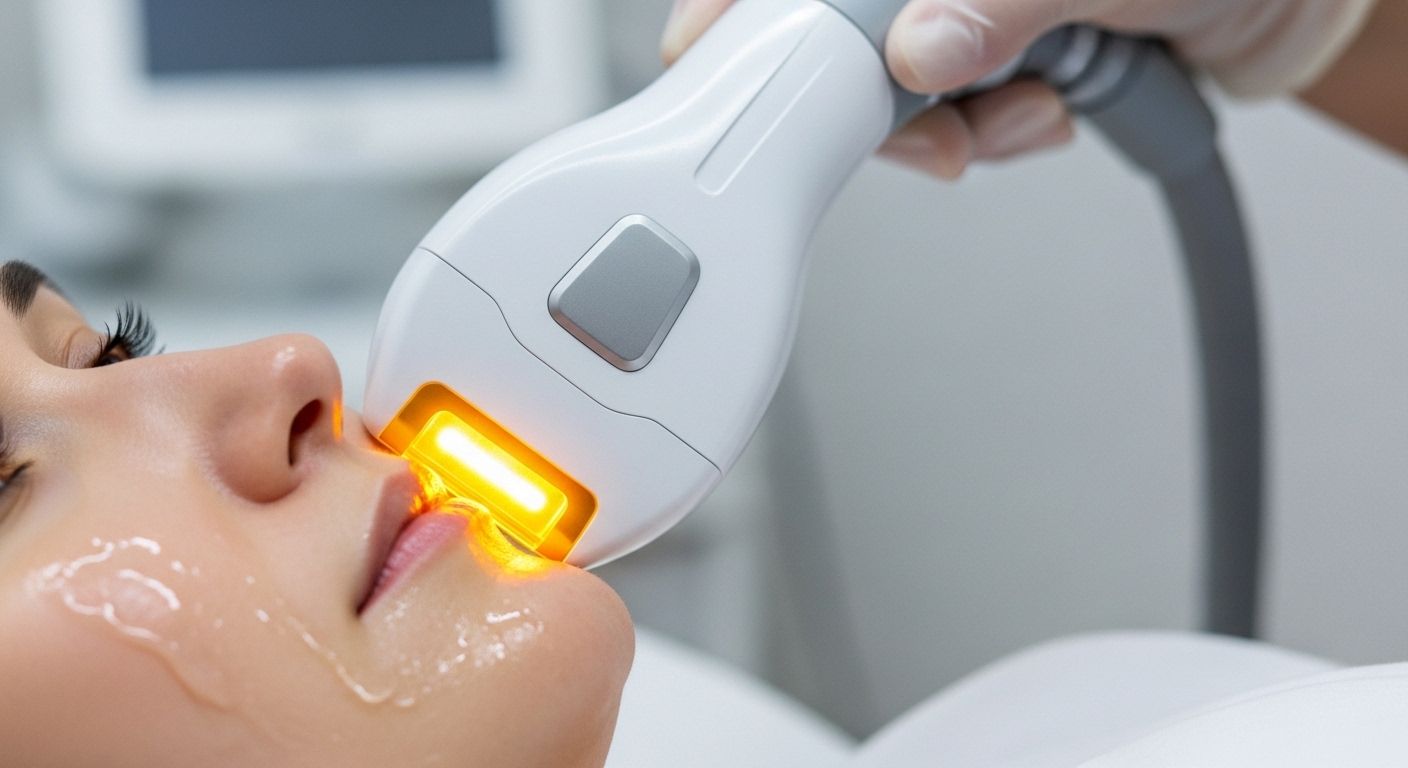
If your legs look like they’re hosting a permanent rash party despite your best efforts, it might be time to consult a derm. Persistent ingrowns can lead to hyperpigmentation or even infection—especially if you’re picking at them (we see you). Dermatologists often recommend prescription retinoids or corticosteroid creams for severe cases, and in rare instances, laser hair removal to stop the cycle altogether. But for most of us? A solid OTC routine with the best exfoliator for ingrown hairs on legs does the trick. Just remember: patience is key. Skin turnover takes 28 days, so don’t expect miracles overnight.
Myths About Ingrown Hairs That Need to Die Already
“Plucking them out helps.” Nope—it just inflames the follicle more. “Only happens to people with curly hair.” False—anyone can get them, though texture plays a role. “Exfoliating once a month is enough.” Bless your heart, but no. The truth is, misinformation spreads faster than ingrowns after a botched wax. One big myth? That expensive = better. Not necessarily. What matters is formulation, not price tag. Another? That you shouldn’t exfoliate if you’ve got active bumps. Actually, gentle exfoliation *helps* release trapped hairs—but skip the loofah and opt for a mild chemical exfoliant instead. Knowledge is power, and the best exfoliator for ingrown hairs on legs only shines when used wisely.
Building a Full Routine That Keeps Legs Looking Fresh
So, you’ve found your hero product—but don’t stop there. A full anti-ingrown regimen includes: cleanse → exfoliate (2–3x/week) → hydrate → protect (yes, sunscreen on legs counts!). Pair your best exfoliator for ingrown hairs on legs with a clean shave routine and weekly moisturising masks, and you’ll notice fewer bumps within a fortnight. And while you’re at it, pop over to Ambre Botanicals for starter kits, swing by the Bodycare section for targeted solutions, or check out our deep dive on hand care with Aesop Exfoliating Hand Wash: Clean Hands. Because smooth skin shouldn’t be a luxury—it should be your baseline.
Frequently Asked Questions
How do you exfoliate your legs for ingrown hairs?
To exfoliate your legs effectively for ingrown hairs, use a gentle chemical exfoliant containing salicylic acid or lactic acid 2–3 times a week. Apply it to damp skin in circular motions, focusing on problem areas like thighs and shins. Rinse thoroughly and follow with a non-comedogenic moisturiser. Avoid harsh scrubs with large, jagged particles—they can worsen irritation. Consistent use of the best exfoliator for ingrown hairs on legs helps prevent dead skin from trapping new hairs beneath the surface.
How do you get rid of ingrown hairs on your legs?
Start by applying a warm compress to soften the skin and encourage the hair to surface. Then, gently exfoliate with the best exfoliator for ingrown hairs on legs to lift dead cells. Never pick or dig—that risks infection. Use topical treatments with anti-inflammatory ingredients like tea tree oil or niacinamide to reduce redness. If the bump persists beyond a week or shows signs of pus, consult a dermatologist. Prevention through regular exfoliation and proper shaving is far easier than cure.
What exfoliator is good for ingrown hairs?
The best exfoliator for ingrown hairs typically contains alpha hydroxy acids (like glycolic or lactic acid) or beta hydroxy acids (like salicylic acid), which penetrate pores and dissolve dead skin without physical abrasion. Products with added soothing agents—chamomile, aloe, or allantoin—are ideal for sensitive skin. Avoid walnut shell or apricot scrubs; their irregular edges cause micro-tears. Look for formulations specifically labelled “non-comedogenic” and “for ingrown hair prevention” to ensure you’re getting a targeted solution.
What do dermatologists recommend for ingrown hairs?
Dermatologists typically recommend a dual approach: regular exfoliation with chemical exfoliants (AHAs/BHAs) and proper hair removal techniques. For active ingrowns, they may suggest over-the-counter products with salicylic acid or benzoyl peroxide to reduce inflammation. In persistent cases, prescription retinoids or topical antibiotics might be prescribed. Long-term, many derms advocate for laser hair removal to eliminate the root cause. But for daily care, sticking to the best exfoliator for ingrown hairs on legs remains the frontline defence.
References
- https://www.aad.org/public/everyday-care/skin-care-secrets/routine/ingrown-hair-treatment
- https://www.ncbi.nlm.nih.gov/pmc/articles/PMC6380980/
- https://www.healthline.com/health/beauty-skin-care/how-to-get-rid-of-ingrown-hairs
- https://www.byrdie.com/best-exfoliators-for-ingrown-hairs