Working Feet Lotion: Soften Tough Skin
- 1.
Why Are Our Feet Always the Last to Get Love—Even Though They Carry Us Everywhere?
- 2.
What Makes a Working Feet Lotion Actually Effective?
- 3.
O’Keeffe’s Healthy Feet: Hype or Holy Grail?
- 4.
Is It Actually Healthy to Put Lotion on Your Feet Daily?
- 5.
Key Ingredients to Look For (and Avoid) in a Proper Working Feet Lotion
- 6.
Natural vs. Clinical: Which Type of Working Feet Lotion Wins?
- 7.
Price Check: Do You Need to Spend a Fortune for Soft Soles?
- 8.
Common Mistakes People Make When Using Foot Cream
- 9.
Seasonal Foot Care: Why Winter Demands a Heavier Working Feet Lotion
- 10.
Where to Find Trusted Foot Care That Actually Delivers
Table of Contents
working feet lotion
Why Are Our Feet Always the Last to Get Love—Even Though They Carry Us Everywhere?
Let’s be real: your feet are the unsung heroes of your body. They slog through concrete jungles in dodgy heels, trudge across muddy fields in wellies, and still manage to look half-decent when you finally kick off your trainers after a 12-hour shift. Yet somehow, they’re the last thing we pamper. Slap on some cheap cream that smells like baby powder from 1998? Nah. If your soles are cracked like old pavement, it’s high time you met the working feet lotion that actually *works*. Not just “smells nice,” but proper, knuckle-deep hydration that turns sandpaper into silk by morning.
What Makes a Working Feet Lotion Actually Effective?
Not all foot creams are created equal—some are basically scented water with a bit of glycerin waving vaguely in the breeze. A true working feet lotion needs heavy-hitting emollients: shea butter, lanolin alternatives (like olive oil wax), urea (5–10% for serious dryness), and maybe a splash of lactic acid to gently dissolve dead skin. Bonus points for dimethicone or beeswax to lock it all in. The goal? Penetration, not just surface-level gloss. You want something that sinks in *and* stays put—even if you’re back on your feet by 6 a.m. serving fry-ups or stacking shelves.
O’Keeffe’s Healthy Feet: Hype or Holy Grail?
Ah, O’Keeffe’s—the blue tub that’s popped up in every builder’s van and nurse’s locker room from Glasgow to Cornwall. So why does it work so well? Simple: it’s packed with **glycerin** and **allantoin**, both humectants that pull moisture into the skin like a sponge. Plus, it’s got a slightly waxy base that forms a breathable barrier—so hydration doesn’t evaporate by lunchtime. Is it perfect? Not if you hate the medicinal smell. But for £6.99 and results that show in 48 hours? Yeah, the working feet lotion rep is earned. Just don’t expect rose petals—this stuff means business.
Is It Actually Healthy to Put Lotion on Your Feet Daily?
Absolutely—and dermatologists reckon you should. Feet have fewer oil glands than the rest of your body, so they dry out faster, especially in winter or if you’re always in socks and shoes. Skipping moisturiser leads to fissures, calluses, and even infections (looking at you, athlete’s foot). A daily dose of working feet lotion keeps the skin supple, prevents cracking, and supports your natural barrier. Pro tip: apply it at night, then slip on cotton socks. Wake up feelin’ like you’ve had a spa day—even if your weekend was spent re-grouting the bathroom.
Key Ingredients to Look For (and Avoid) in a Proper Working Feet Lotion
Right, here’s your cheat sheet:
| ✅ DO LOOK FOR | ❌ AVOID |
|---|---|
| Urea (5–10%) | Alcohol denat (drying!) |
| Shea or cocoa butter | Fragrance/parfum (irritant) |
| Lactic or glycolic acid (gentle exfoliation) | Mineral oil (sits on skin, doesn’t nourish) |
| Allantoin or panthenol (soothing) | Synthetic dyes (why??) |
The best working feet lotion balances repair, protection, and absorption—without stinging or leaving greasy prints on your floorboards.
Natural vs. Clinical: Which Type of Working Feet Lotion Wins?
If your feet are just a bit dry, a botanical blend with coconut oil and calendula might suffice. But if you’ve got deep cracks, thick calluses, or diabetes (which affects circulation), go clinical. Formulas with urea or lactic acid are medically backed to soften keratin and heal fissures. That said, “clinical” doesn’t mean “harsh”—many now blend actives with oat extract or chamomile to soothe while they work. The working feet lotion you choose should match your need: maintenance or rescue mission.
Price Check: Do You Need to Spend a Fortune for Soft Soles?
Good news: no. You can snag a brilliant working feet lotion for under £8. O’Keeffe’s, Flexitol, and E45 all deliver pharmacy-grade results without the spa markup. Luxury brands like Margaret Dabbs or Sol de Janeiro? Gorgeous, but overkill unless you’re gifting or treating yourself post-marathon. At the end of the day, consistency beats cost—using a £5 tub nightly beats hoarding a £30 jar you never open ‘cause it’s “too nice.”
Common Mistakes People Make When Using Foot Cream
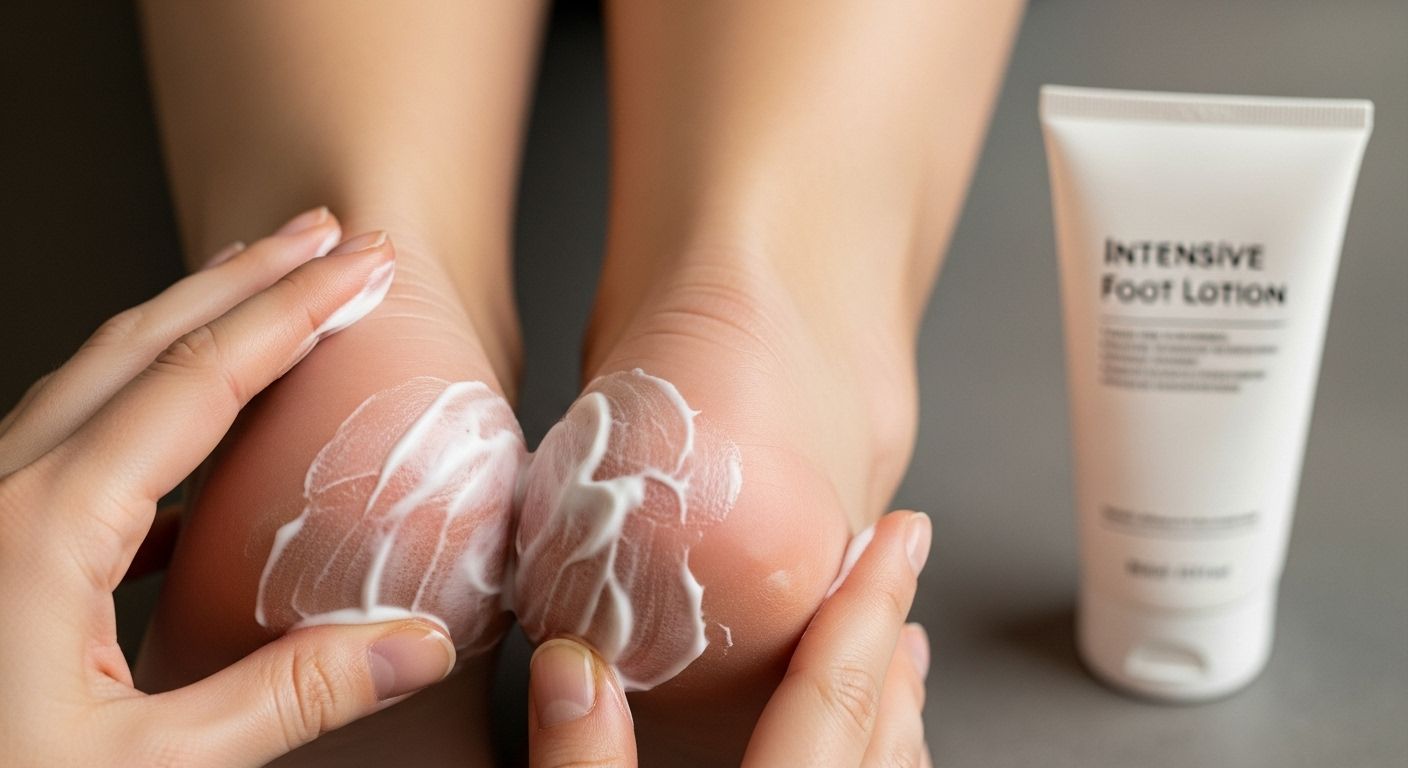
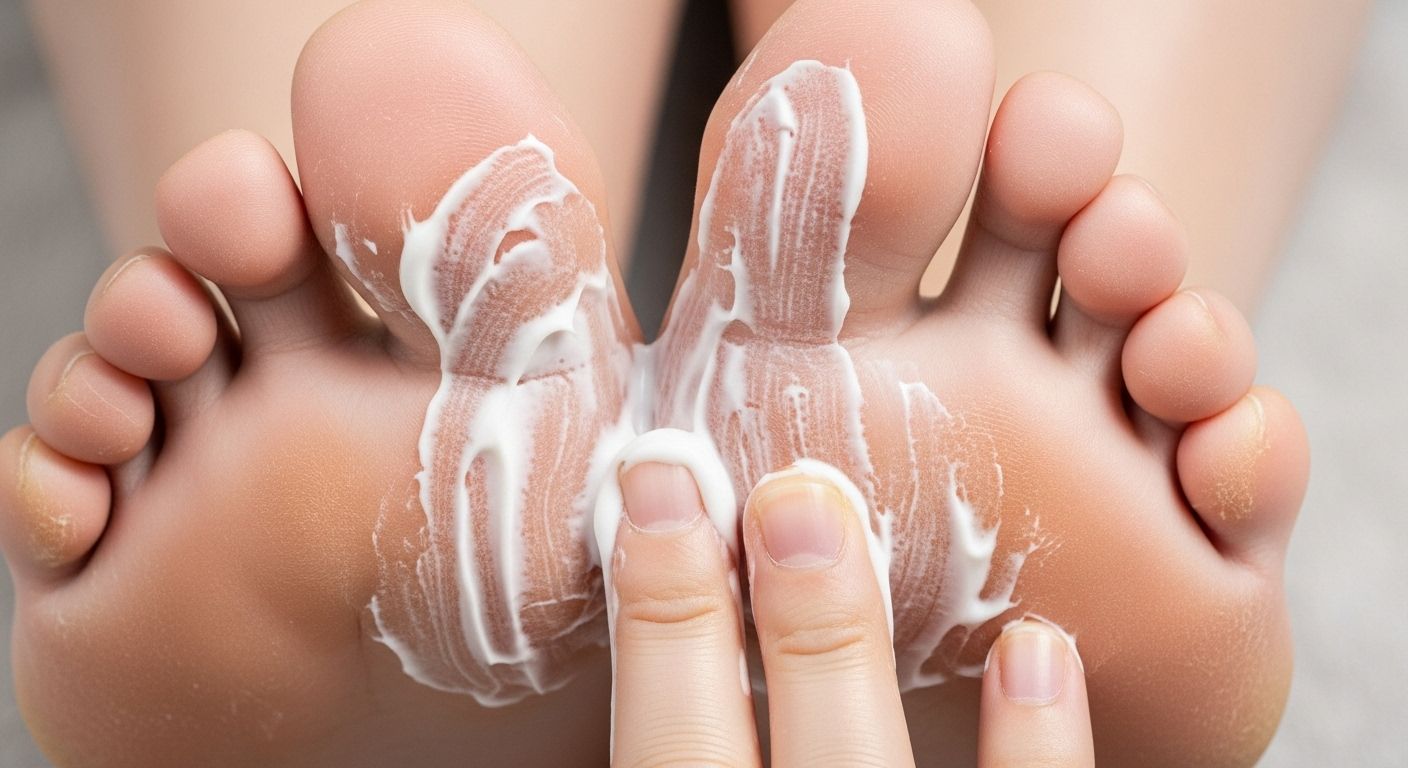
Slathering lotion between your toes? Stop—it traps moisture and breeds fungus. Applying to dry, flaky skin without exfoliating first? Wasted effort. Using hand cream on feet? Too light. And skipping socks after application? You’re letting half the goodness rub off on your sheets. The right way? Exfoliate once a week, apply working feet lotion to clean, slightly damp skin, avoid the toe webs, and cover with cotton socks overnight. That’s how you get results—not just ritual.
Seasonal Foot Care: Why Winter Demands a Heavier Working Feet Lotion
Summer feet sweat; winter feet crack. Central heating + wool socks = moisture massacre. Come November, swap your lightweight lotion for a balm-style working feet lotion with beeswax or shea butter. Better yet, do a weekly “foot mask”: thick layer, cling film, socks, 30 minutes. It sounds daft, but nurses and chefs swear by it. Your heels will thank you when sandal season rolls back round—and you won’t need a chisel to prep them.
Where to Find Trusted Foot Care That Actually Delivers
If you’re done with gimmicks and ready for formulas that respect your hard-working feet, start with curated picks from experts who test every jar. Explore the full range at Ambre Botanicals, where efficacy meets clean formulation. Dive into our dedicated Bodycare collection for lotions, scrubs, and recovery rituals. And if you’re pairing foot care with full-body glow, don’t miss our guide to Body Shop Exfoliator Smooth Skin Glow—because soft skin starts from the ground up.
Frequently Asked Questions
Why do O'Keeffe's Healthy Feet work so well?
O’Keeffe’s Healthy Feet works so well because it contains high concentrations of glycerin and allantoin—powerful humectants that draw moisture into dry skin—plus a protective barrier to lock it in. This makes it an effective working feet lotion for severely dry or cracked heels.
What foot cream actually works?
A foot cream that actually works contains urea (5–10%), shea butter, lactic acid, or glycerin. These ingredients deeply hydrate and repair. The best working feet lotion combines penetration, protection, and gentle exfoliation without irritating fragrances or alcohol.
Is it healthy to put lotion on your feet?
Yes—it’s essential. Feet lack oil glands, making them prone to dryness and cracking. Daily use of a working feet lotion maintains skin integrity, prevents fissures, and supports overall foot health, especially for those on their feet all day.
Is O'Keeffe's foot cream any good?
Yes, O’Keeffe’s foot cream is highly effective as a working feet lotion, particularly for very dry or calloused skin. Its clinical formula delivers fast results, though it has a medicinal scent and isn’t “natural”—but it’s trusted by professionals nationwide.
References
- https://www.nhs.uk/conditions/corns-and-calluses/
- https://www.aad.org/public/everyday-care/skin-care-secrets/routine/moisturize-dry-feet
- https://www.ncbi.nlm.nih.gov/pmc/articles/PMC6165347/
- https://www.podiatrytoday.com/current-treatment-options-for-cracked-heels