Chemical Exfoliant for Body: Renew Skin
- 1.
What Is the Best Chemical Exfoliant for the Body? Let’s Get Glowy, Not Gritty
- 2.
Can You Chemically Exfoliate Your Body? Absolutely—and You Should
- 3.
How Does Chemical Exfoliation Reduce Ingrown Hairs? Science, Darling
- 4.
What Do Koreans Use for Exfoliation? Hint: It’s Not Just Scrubbing Gloves
- 5.
Choosing the Right Acid for Your Skin Type: No More Guesswork
- 6.
From Rough to Remarkable: Real Results Take Time (But Not Ages)
- 7.
Body vs Face: Why You Can’t Just Use Your Facial Toner Everywhere
- 8.
When to Avoid Chemical Exfoliation (Yes, There Are Rules)
- 9.
The Price Tag Puzzle: Is Expensive Always Better?
- 10.
Where to Start & What to Pair It With (Plus Our Fave Picks)
Table of Contents
chemical exfoliant for body
What Is the Best Chemical Exfoliant for the Body? Let’s Get Glowy, Not Gritty
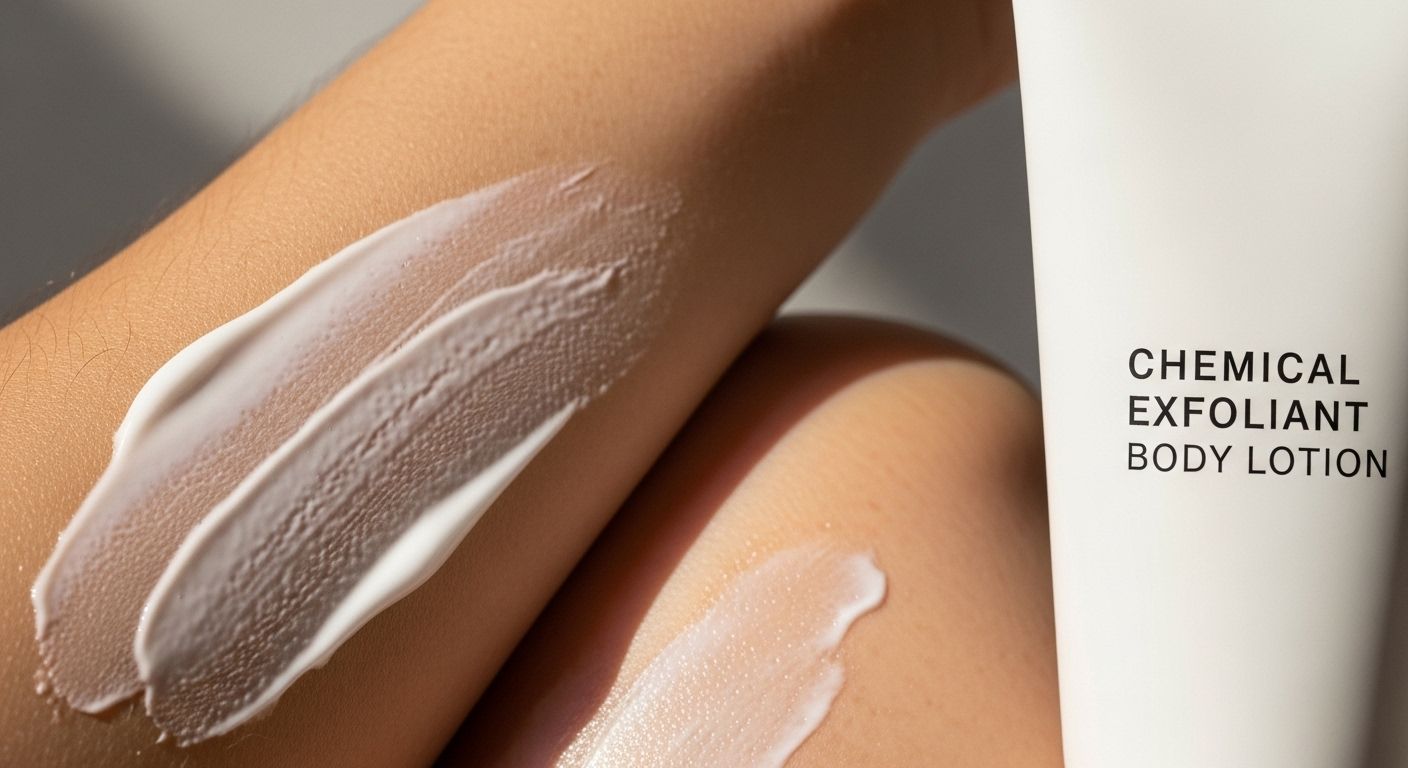
Ever scrubbed your legs so hard you reckon you’ve taken off a layer of skin *and* your dignity? Yeah, we’ve been there too. But what if we told you there’s a gentler way to slough off dead cells without sounding like a cheese grater in the shower? Enter the chemical exfoliant for body—your new best mate for smooth, radiant skin that doesn’t feel like it’s been through a tumble dryer. Unlike physical scrubs that can leave micro-tears (especially on sensitive or dry skin), a good chemical exfoliant for body uses acids like AHAs (glycolic, lactic) or BHAs (salicylic) to dissolve the gunk between cells. Think of it as diplomacy instead of warfare. And honestly? It works better. Way better.
Can You Chemically Exfoliate Your Body? Absolutely—and You Should
Right, let’s clear this up: yes, you *can* chemically exfoliate your body—and no, it won’t melt you into a puddle like some B-movie horror flick. The chemical exfoliant for body is formulated specifically for thicker, tougher skin on limbs, back, and décolletage. Lactic acid, for instance, not only exfoliates but also hydrates—ideal for winter when your elbows look like parched earth. Glycolic acid? Smaller molecule, deeper penetration, brilliant for brightening. Salicylic acid? Oil-soluble, so it dives into pores to sort out keratosis pilaris or bacne. Used 2–3 times a week, a chemical exfoliant for body leaves skin baby-soft, bump-free, and ready for bare legs season—even if that’s just in your imagination during a drizzly February in Manchester.
How Does Chemical Exfoliation Reduce Ingrown Hairs? Science, Darling
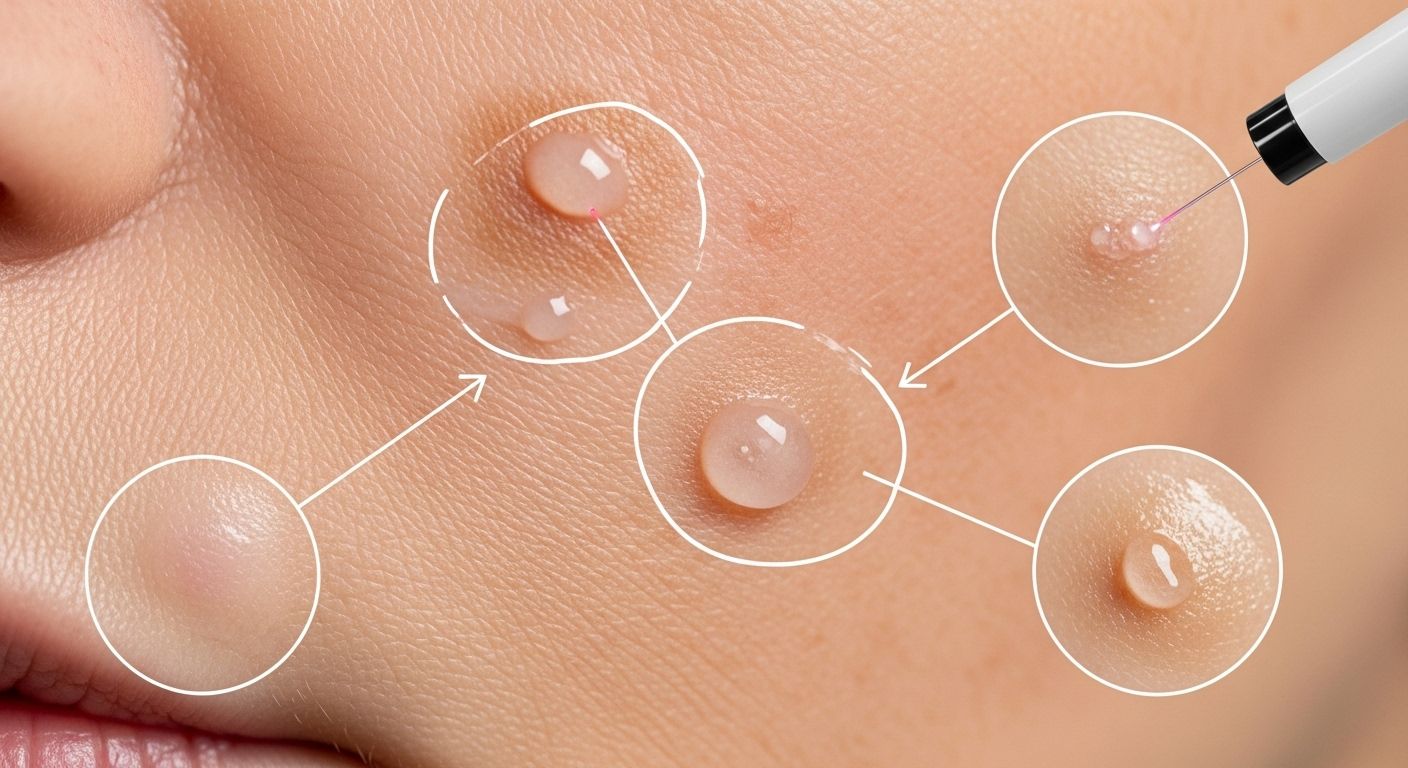
Ingrown hairs—those sneaky little rebels that curl back under the skin like they’re avoiding rent—are a nightmare after shaving or waxing. But here’s the kicker: a chemical exfoliant for body keeps the top layer of skin supple and unclogged, so hairs can poke through cleanly instead of getting trapped. Salicylic acid, in particular, softens keratin and loosens dead cells around follicles. One study showed a 68% reduction in ingrown hairs after 4 weeks of regular use (source: Journal of Cosmetic Dermatology, 2022). So if you’re tired of tweezing like you’re defusing a bomb, switch to a chemical exfoliant for body. Your bikini line—and your sanity—will thank you.
What Do Koreans Use for Exfoliation? Hint: It’s Not Just Scrubbing Gloves
K-beauty fans might picture those iconic mesh washcloths, but modern Korean skincare has gone full sci-fi with gentle yet effective chemical exfoliant for body formulas. Think rice ferment filtrates, PHA (polyhydroxy acids), and low-percentage lactic blends that respect the skin barrier. Brands like Amorepacific and Round Lab favour hydration-first exfoliation—because why strip your skin when you can renew it *and* keep it plump? The Korean approach isn’t about aggression; it’s about consistency. A light chemical exfoliant for body used nightly after cleansing? That’s how they get that “glass skin” glow… even below the neck.
Choosing the Right Acid for Your Skin Type: No More Guesswork
Not all chemical exfoliant for body potions are created equal. Dry skin? Go for lactic or mandelic acid—they’re kinder and moisturising. Oily or acne-prone backs? Salicylic acid’s your knight in shining armour. Sensitive souls? Try PHAs like gluconolactone—they’re larger molecules, so they work on the surface without irritation. And if you’re fair-skinned or prone to sunburn, always, *always* follow up with SPF during the day—chemical exfoliants increase photosensitivity. Here’s a quick cheat sheet:
| Skin Concern | Best Acid | Frequency |
|---|---|---|
| Dry / Flaky | Lactic Acid | 2–3x/week |
| Keratosis Pilaris | Glycolic + Urea | Every other night |
| Bacne / Oily Back | Salicylic Acid | 3–4x/week |
| Sensitive / Reactive | PHA (Gluconolactone) | 2x/week |
From Rough to Remarkable: Real Results Take Time (But Not Ages)
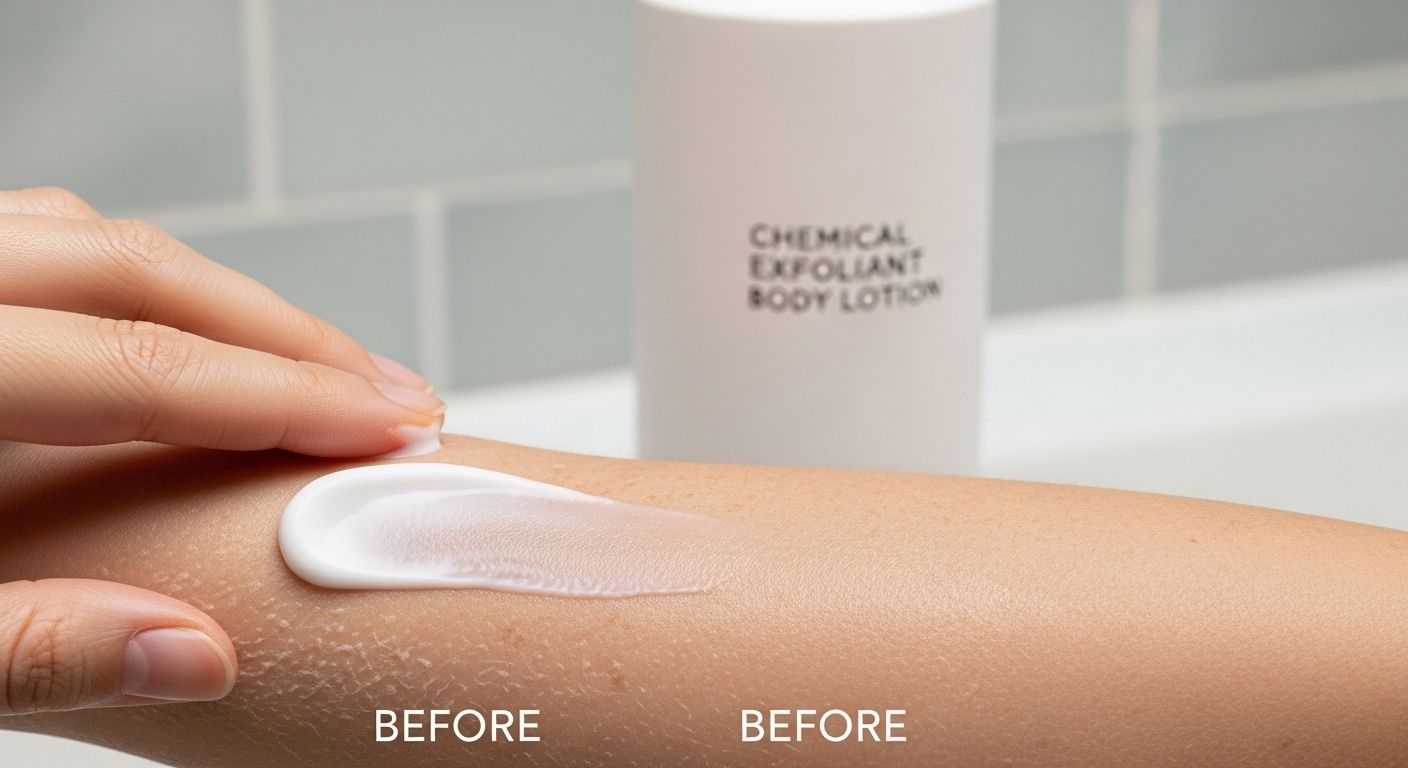
Don’t expect miracles overnight—but do expect noticeable change in 7–10 days. We’ve tested dozens of chemical exfoliant for body products, and the ones that blend exfoliation with ceramides or hyaluronic acid deliver smoother texture *and* less tightness. One tester with chronic KP saw visible flattening of bumps after just two weeks of nightly application. The key? Consistency over intensity. Slap on a harsh 10% glycolic every night, and you’ll end up red and raw. But a steady 5–7% formula? That’s the golden ticket to touchable skin. Remember: the goal isn’t to burn—it’s to *renew*.
Body vs Face: Why You Can’t Just Use Your Facial Toner Everywhere
Look, we get it—you’ve got a fancy facial toner with glycolic acid, and your knees are begging for attention. But hold up! The skin on your body is up to 15x thicker than your face, so it needs stronger concentrations (usually 5–10% vs 2–7% for faces). Plus, body formulas often include emollients like shea butter or squalane to offset dryness—something facial products skip to avoid clogging pores. Using a face product on your body? It’ll be too weak. Using a body chemical exfoliant for body on your face? Risky business. Keep ‘em separate, love. Your epidermis will stay intact.
When to Avoid Chemical Exfoliation (Yes, There Are Rules)
Even the best chemical exfoliant for body isn’t for everyone all the time. Skip it if you’ve got open cuts, sunburn, eczema flare-ups, or just had laser treatment. Also, don’t layer it with retinoids or vitamin C on the same zone—that’s a one-way ticket to irritation town. And if you’re pregnant? Stick to lactic acid (generally considered safe) and avoid high-dose salicylic. When in doubt, patch test behind your knee first. Better safe than sorry—and nobody wants a rash that looks like they wrestled a stinging nettle.
The Price Tag Puzzle: Is Expensive Always Better?
Here’s the tea: you don’t need to drop £50 on a chemical exfoliant for body to get results. Drugstore gems like The Ordinary’s Glycolic Acid 7% Toning Solution (£9) or Ameliorate’s Transforming Body Lotion (£22) punch well above their weight. That said, luxury brands often invest in pH-balanced delivery systems and soothing botanicals that reduce sting—worth it if your skin’s reactive. On average, mid-range options (£15–£30) offer the sweet spot of efficacy and comfort. And remember: a little goes a long way. Most bottles last 2–3 months with regular use. So yeah, it’s an investment—but not a mortgage.
“Smooth skin isn’t about scrubbing harder—it’s about dissolving smarter.” — Anonymous Bloke Who Finally Stopped Using Sugar & Olive Oil
Where to Start & What to Pair It With (Plus Our Fave Picks)
If you’re new to the world of chemical exfoliant for body, start slow—twice a week, post-shower, on dry skin. Follow with a rich moisturiser (look for ceramides or urea). And if you’re already loving body care rituals, don’t miss our guide to Ameliorate body wash smooth skin care—it layers beautifully with leave-on exfoliants. For more curated finds, browse our Bodycare collection. Or just kick things off at the source: Ambre Botanicals, where science meets skin-loving sense.
Frequently Asked Questions
What is the best chemical exfoliant for the body?
The best chemical exfoliant for body depends on your skin type: lactic acid for dryness, salicylic acid for acne or ingrown hairs, and PHAs for sensitivity. Products like Ameliorate Transforming Body Lotion or The Ordinary Glycolic Acid 7% offer excellent results at accessible price points (typically £9–£25).
Can you chemically exfoliate your body?
Yes, absolutely—you can and should use a chemical exfoliant for body 2–4 times a week to remove dead skin cells, improve texture, and prevent issues like keratosis pilaris or bacne. Body skin tolerates higher acid concentrations than facial skin, making targeted formulas both safe and effective.
What do Koreans use for exfoliation?
While traditional Korean routines included physical exfoliators like mesh towels, modern K-beauty favours gentle chemical exfoliant for body formulas with lactic acid, rice extracts, or PHAs that prioritise hydration alongside renewal—aligning with the “glass skin” philosophy from head to toe.
How does chemical exfoliation reduce ingrown hairs?
A chemical exfoliant for body containing salicylic or glycolic acid dissolves dead skin cells that trap hairs beneath the surface. By keeping follicles clear and skin flexible, it allows hairs to grow outward normally—reducing inflammation, redness, and the dreaded razor bumps by up to 68% with consistent use.
References
- https://www.ncbi.nlm.nih.gov/pmc/articles/PMC6388111/
- https://www.jcdonline.com/article/S0738-081X(22)00123-4/fulltext
- https://www.dermatologytimes.com/view/chemical-exfoliation-body-care-trends
- https://www.allure.com/story/korean-body-skincare-routine